Plug Plants: The Complete UK Guide
Plug plants are one of the easiest and most reliable ways to grow healthy flowers, herbs, and vegetables in the UK. This complete guide walks you through plug plant sizes, planting times, potting‑on, delivery expectations, and how to care for them from arrival to flowering, whether you’re a beginner or an experienced gardener.
What Are Plug Plants?
Plug plants are young plants grown in individual cells, designed to give gardeners a strong head start compared with sowing seeds. They arrive pre‑rooted, established, and ready to either pot-on or plant directly outdoors depending on the size and season.
Plug Plant Sizes Explained
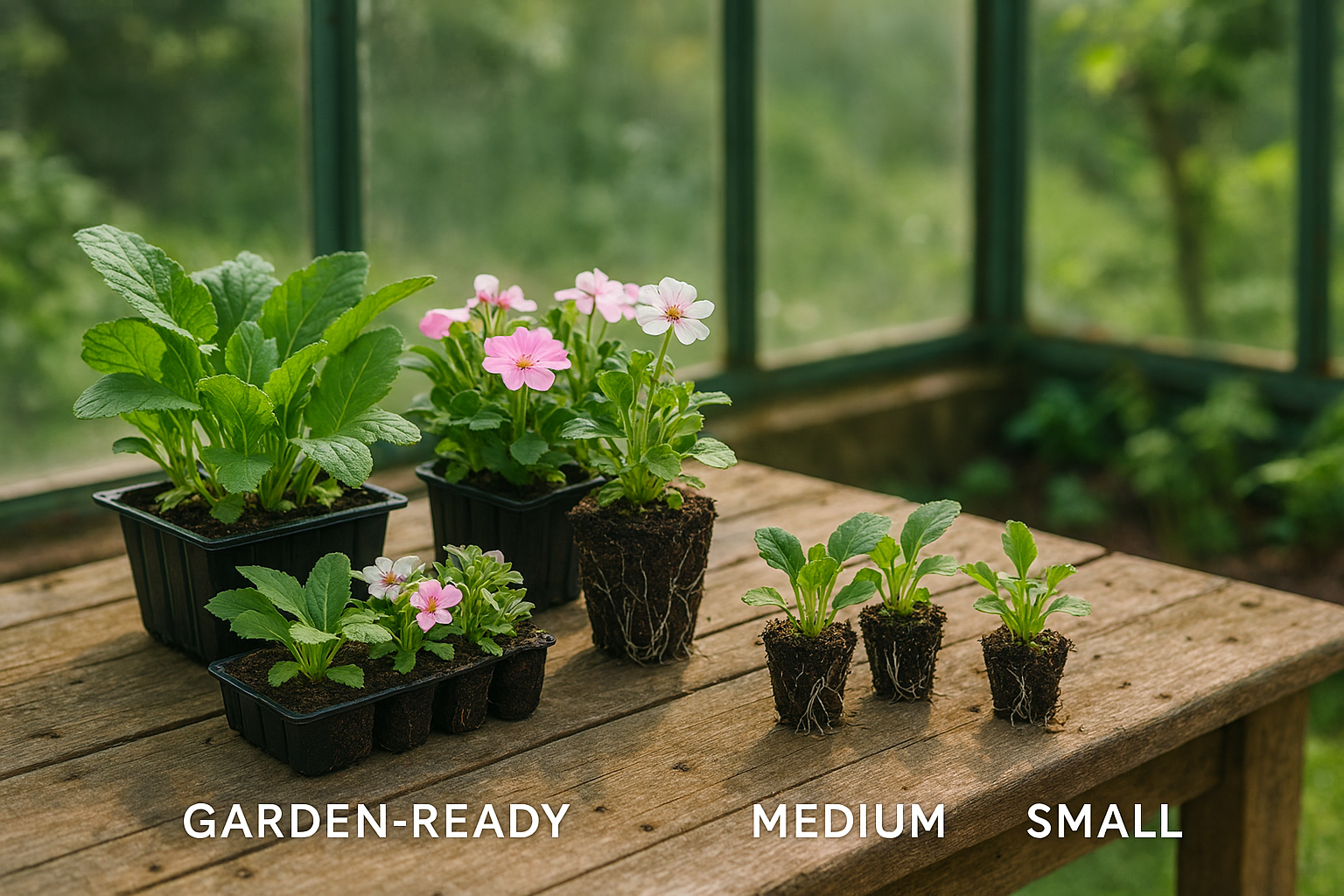
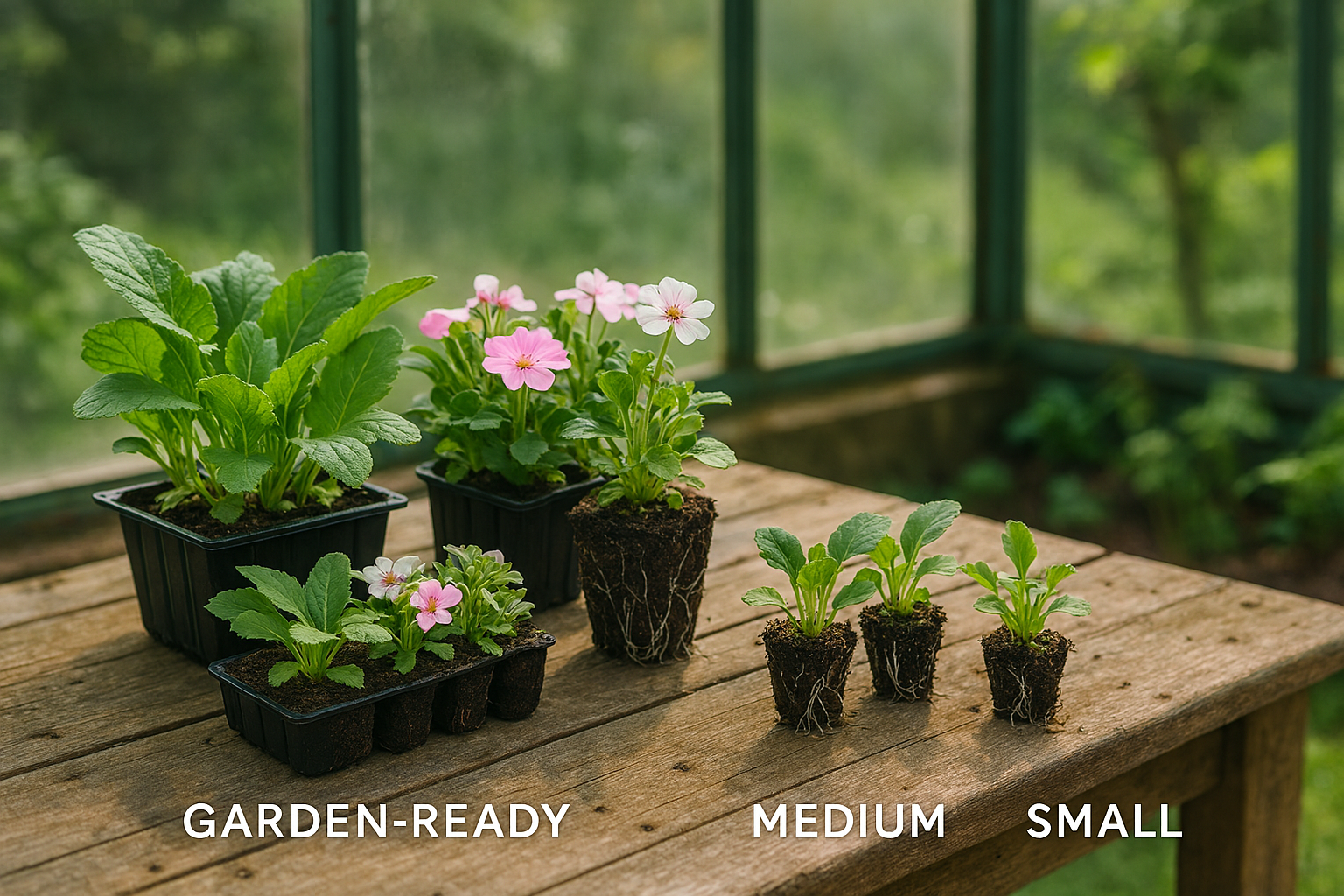
Understanding plug sizes helps you choose the right plants for your garden:
Small Plugs (Module Trays)
- Typically 2–3 cm across
- Best for experienced gardeners who are happy to grow plants on indoors
- Cost‑effective and ideal for mass‑planting
Medium Plugs
- 3–5 cm across
- The most common plug size sold online
- Perfect balance of value + ease of establishment
Large & Garden‑Ready Plugs
- 5–9 cm across
- Arrive strong, leafy, and nearly ready for planting outdoors
- Ideal for beginners or for quick-impact planting in beds and containers
When to Plant Plug Plants in the UK
Spring (March–May)
Most bedding, herbs, perennials, veg plugs
- Begin potting-on indoors in March
- Harden off in April
- Plant outdoors after frost risk passes
Summer (June–August)
Great for container top-ups, successional planting, and filling gaps
- Choose medium–large plugs for quick establishment
Autumn (September–October)
The best time for hardy perennials
- Cool temperatures encourage root growth
- Avoid frost pockets
Winter (November–February)
Only hardy perennials or overwintered greenhouse projects
- Keep sheltered
- Protect from waterlogging and frost
How to Pot-On Plug Plants (Step-by-Step)
-
Choose the right compost
A multi-purpose or peat‑free mix works well; add perlite for drainage. -
Select the right pot size
7–9 cm pots are perfect for most plugs. -
Remove the plug carefully
Push from the bottom to avoid damaging the roots. -
Plant at the same depth
Don’t bury the plug deeper than it grew originally. -
Water gently
Settle the compost but avoid soaking. -
Provide strong light
Avoid leggy growth — use a bright windowsill or grow light. -
Feed lightly after 2–3 weeks
Use a diluted liquid feed to boost root growth.
Hardening Off Plug Plants
From your email topics
- Begin 7–10 days before planting outdoors
- Place outside for 2–3 hours a day, increasing gradually
- Avoid cold winds and direct midday sun
Planting Plug Plants Outdoors
- Plant on a mild, overcast day
- Water the planting area before planting
- Space according to plant type (e.g., bedding 20–30 cm apart, perennials 30–45 cm)
- Mulch lightly to retain moisture
Common Plug Plant Mistakes (and How to Avoid Them)
✔ Overwatering — leads to root rot
✔ Planting outdoors too early
✔ Poor light conditions indoors
✔ Using pots that are too large
✔ Not firming compost around the plug
Delivery: What to Expect
- Plants may look small but are professionally propagated
- Some wilting in transit is normal
- Always water and rest plants 24 hours before potting-on
- Cold-season deliveries may arrive dormant
FAQs
Do plug plants grow well in the UK climate?
Yes — they’re ideal for the UK’s cool, mild conditions and offer reliable establishment.
How long do plug plants take to grow?
Most bedding plugs take 4–6 weeks after potting-on before they’re garden-ready.
Can beginners use plug plants?
Absolutely. Choose large or garden-ready plugs for the easiest experience.
What compost is best?
A peat-free, multi-purpose compost with added drainage works best.
Call to Action
Ready to grow your garden? Explore our plug plant collections, find the perfect varieties for your space, and follow our seasonal guides for guaranteed success.


.png)