The Benefits of Vertical Gardening
Discover how vertical gardening can help you maximise space, grow more plants and create beautiful green displays in even the smallest gardens. Learn why vertical gardens are becoming increasingly popular for UK gardeners looking for a stylish and sustainable way to grow flowers, herbs, fruit and vegetables.
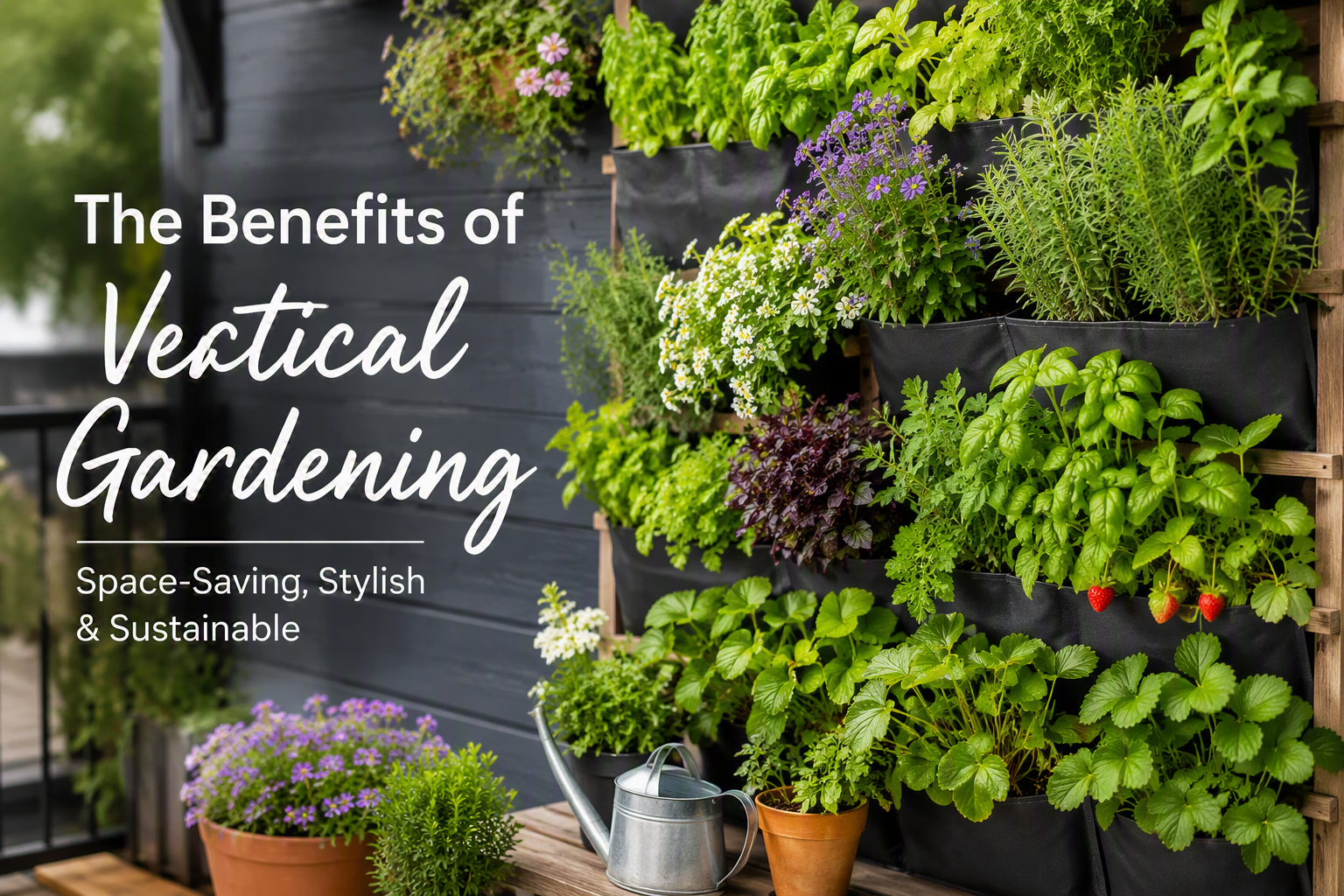
What is Vertical Gardening?
Vertical gardening is one of the most innovative and practical gardening trends for modern homes. Instead of growing plants across the ground, vertical gardening uses walls, trellises, fences, hanging systems and stacked planters to grow upwards.
Whether you have a small garden, patio, balcony or courtyard, vertical gardening allows you to make the most of every available inch of space. It is a fantastic solution for urban gardeners, but it can also add structure, colour and interest to larger gardens.
From productive vegetable gardens to stunning living walls covered in flowers and foliage, vertical gardening offers a stylish way to bring more plants into your outdoor or indoor spaces.
Benefits of Vertical Gardening
Maximises Growing Space
Perhaps the biggest benefit of vertical gardening is its ability to maximise space. By growing upwards rather than outwards, you can fit significantly more plants into a smaller area.
Vertical gardening is ideal for:
- Small gardens
- Courtyards
- Balconies
- Patios
- Roof terraces
- Indoor growing spaces
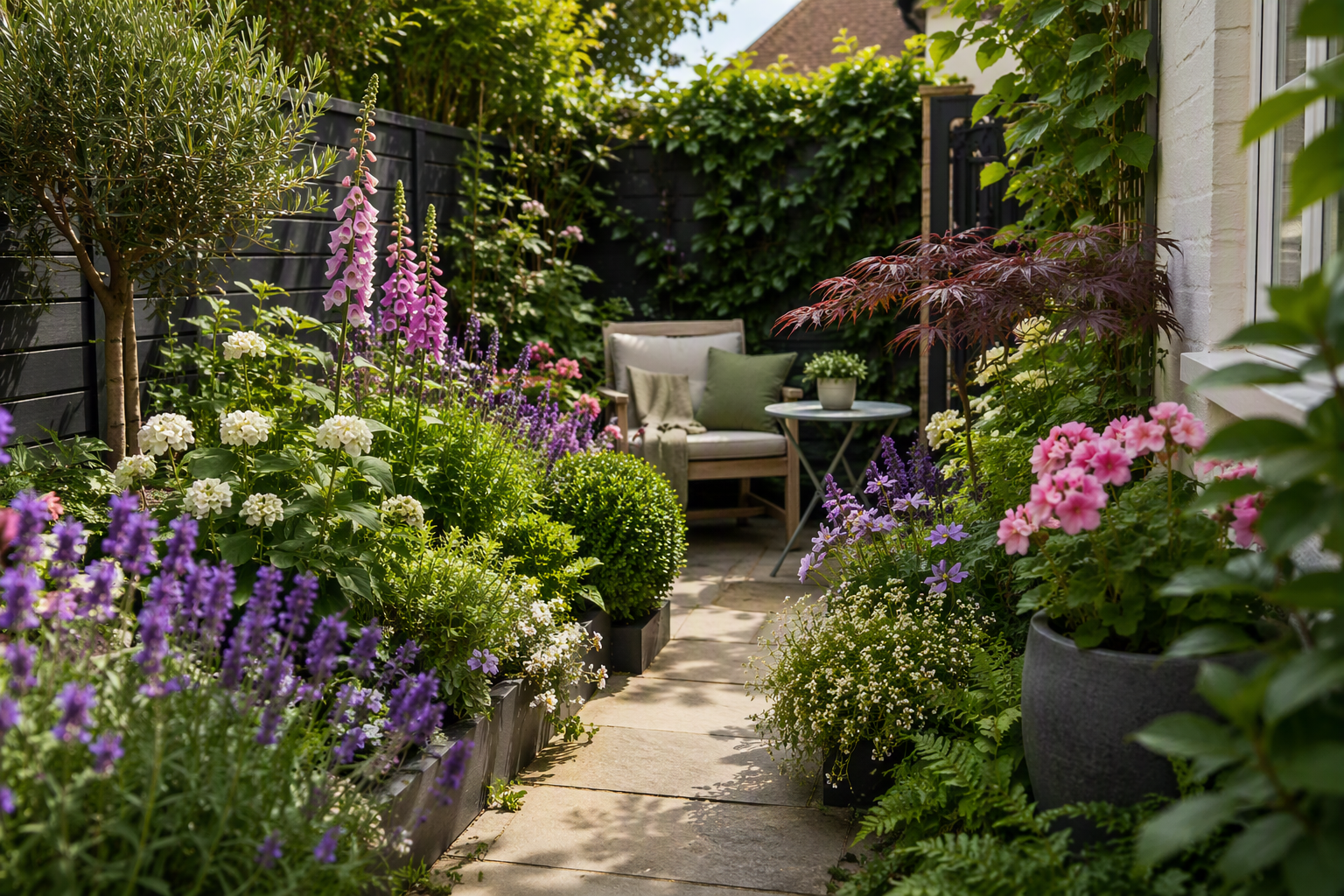
Even the smallest outdoor area can become a productive and attractive garden with the right vertical gardening system.
Creates Stunning Garden Features
Vertical gardens are more than just practical—they can also become eye-catching design features. A living wall filled with colourful flowers, trailing plants or lush foliage can transform a plain wall, fence or shed into a vibrant focal point.
Vertical planting adds texture, height and year-round visual interest while helping soften hard landscaping and urban environments.
Improves Air Quality
Plants naturally absorb carbon dioxide and release oxygen, helping to improve air quality in both indoor and outdoor environments.
Vertical gardens increase the amount of planting in a compact area, creating more leaf surface to filter pollutants and support a healthier environment. This can be particularly beneficial in towns and cities where green spaces may be limited.
Supports Sustainable Living
Growing plants vertically can help reduce your environmental impact. By growing your own herbs, fruit and vegetables at home, you can reduce food miles, minimise packaging waste and enjoy fresh produce straight from your garden.
Vertical gardens also encourage greener living by making gardening accessible to people who may not have traditional garden space available.
Encourages Wildlife and Pollinators
A vertical garden filled with flowering plants can provide valuable food sources for bees, butterflies and other pollinating insects.
In urban areas especially, vertical planting can help create important wildlife habitats and contribute to greater biodiversity.
Choosing nectar-rich flowers can turn a simple vertical garden into a pollinator-friendly feature that benefits local ecosystems.
Easier Maintenance
Many vertical gardening systems are surprisingly easy to maintain. Raised planting positions can reduce bending and kneeling, while modern irrigation systems help ensure plants receive consistent watering.
Additional benefits include:
- Fewer weeds
- Improved airflow around plants
- Reduced risk of some soil-borne diseases
- Efficient watering systems
- Easier harvesting of edible crops
This makes vertical gardening an attractive option for busy gardeners looking for low-maintenance solutions.
Popular Vertical Gardening Methods
Living Walls
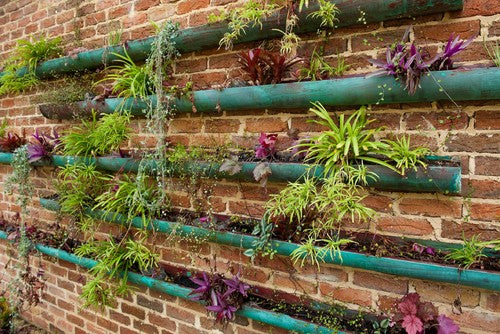
Living walls use modular planting panels attached to walls or frames to create a complete green wall effect. These systems are popular in both indoor and outdoor spaces.
Trellises and Climbing Supports
Trellises provide support for climbing plants such as:
- Sweet peas
- Clematis
- Climbing roses
- Beans
- Peas
- Cucumbers
They are one of the simplest and most cost-effective forms of vertical gardening.
Hanging Planters
Hanging baskets and wall-mounted containers allow gardeners to grow plants at different heights, creating layered displays while saving ground space.
Stacked Planters
Tiered or stacked planting systems make it easy to grow herbs, strawberries and compact vegetables within a small footprint.
Hydroponic Vertical Gardens
Hydroponic systems grow plants without soil and are often used indoors to produce herbs, salads and leafy greens efficiently throughout the year.
Best Plants for Vertical Gardens
Many plants thrive in vertical gardening systems, including:
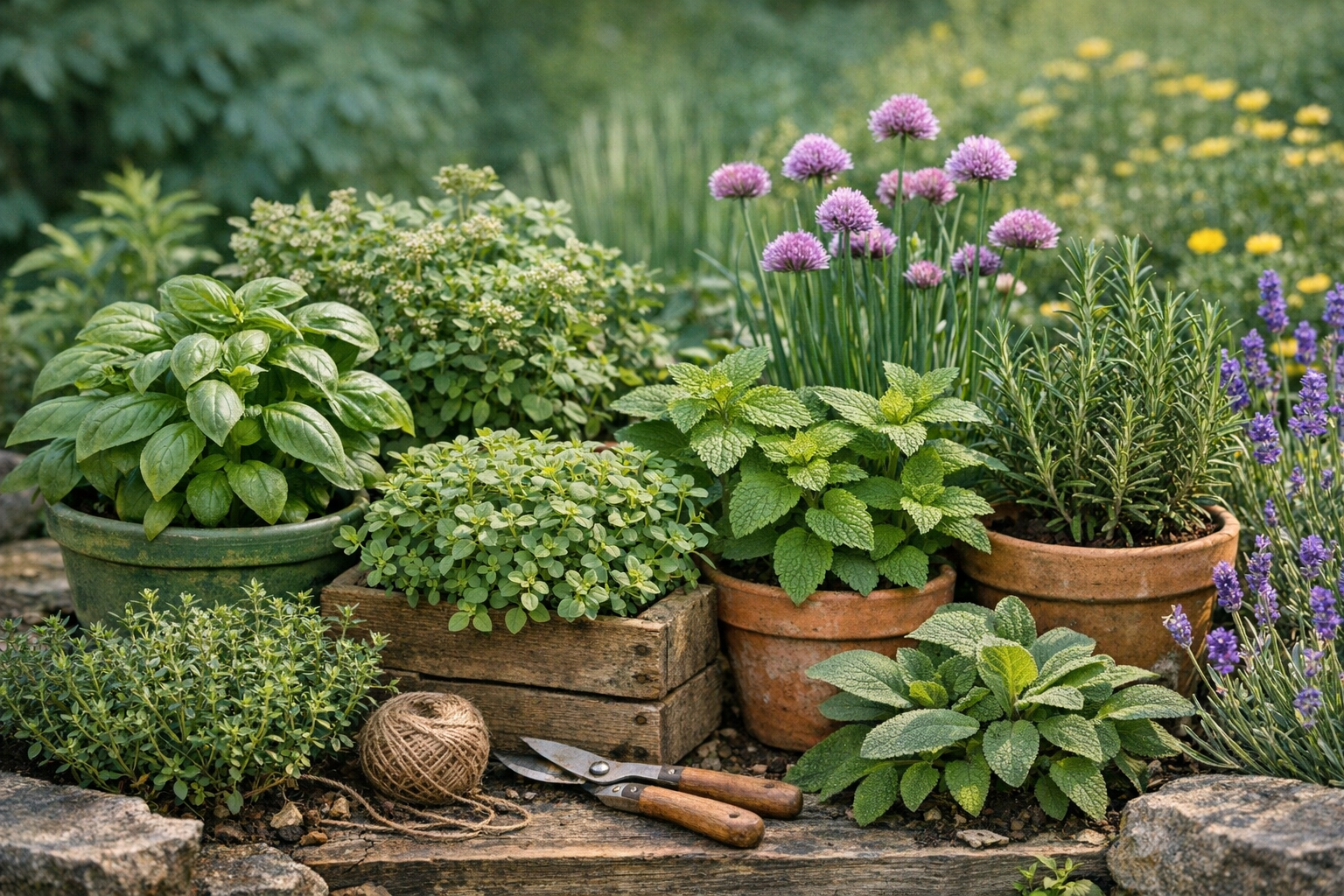
- Herbs such as basil, thyme, parsley and mint
- Strawberries
- Salad leaves
- Spinach
- Tomatoes
- Peas and beans
- Ferns
- Succulents
- Petunias
- Ivy
- Trailing lobelia
- Heuchera
When selecting plants, always consider the amount of sunlight available and choose varieties suited to your growing conditions.
Growing Vegetables Vertically
Vertical gardening is particularly effective for growing edible crops. Training vegetables upwards improves airflow around plants, makes harvesting easier and can reduce the risk of certain pests and diseases.
Popular vegetables for vertical growing include:
- Runner beans
- French beans
- Peas
- Cucumbers
- Tomatoes
- Courgettes (with support)
- Squash varieties
- Salad crops
This approach allows gardeners to harvest more food from a smaller space.
Frequently Asked Questions
Is vertical gardening easy to maintain?
Yes. Most vertical gardens are simple to maintain and often require less weeding and watering than traditional garden beds.
Can you grow vegetables vertically?
Absolutely. Beans, peas, cucumbers, tomatoes, herbs and strawberries all perform exceptionally well when grown vertically.
What is the best plant for a vertical garden?
Herbs, trailing flowers, strawberries, ferns and compact vegetables are among the easiest and most successful plants to grow in vertical systems.
Do vertical gardens survive winter?
Many perennial plants and hardy climbers can remain outdoors throughout winter. However, some containers and irrigation systems may need protection during severe frosts.
Do vertical gardens need special compost?
Most vertical gardens perform best with a high-quality, free-draining compost. Hydroponic systems use specialist growing mediums instead of traditional compost.
Start Your Vertical Gardening Journey
Vertical gardening is a simple yet highly effective way to maximise space, grow more plants and create beautiful green displays in gardens of all sizes. Whether you're looking to grow your own vegetables, attract pollinators or add a striking feature to a patio or balcony, vertical gardening offers a practical and sustainable solution.
Explore our range of plug plants, herbs, perennials and garden-ready plants to start creating your own thriving vertical garden today.