🌿 The Plant Hunters Who Built British Gardens (And How Plants Got Here)
For most of us, garden plants feel like they’ve always belonged here—but many were brought to Britain through extraordinary journeys. Plant hunters risked their lives travelling the world to collect species, while innovations like the Wardian case helped them survive the trip home. Their work shaped the gardens we grow today.
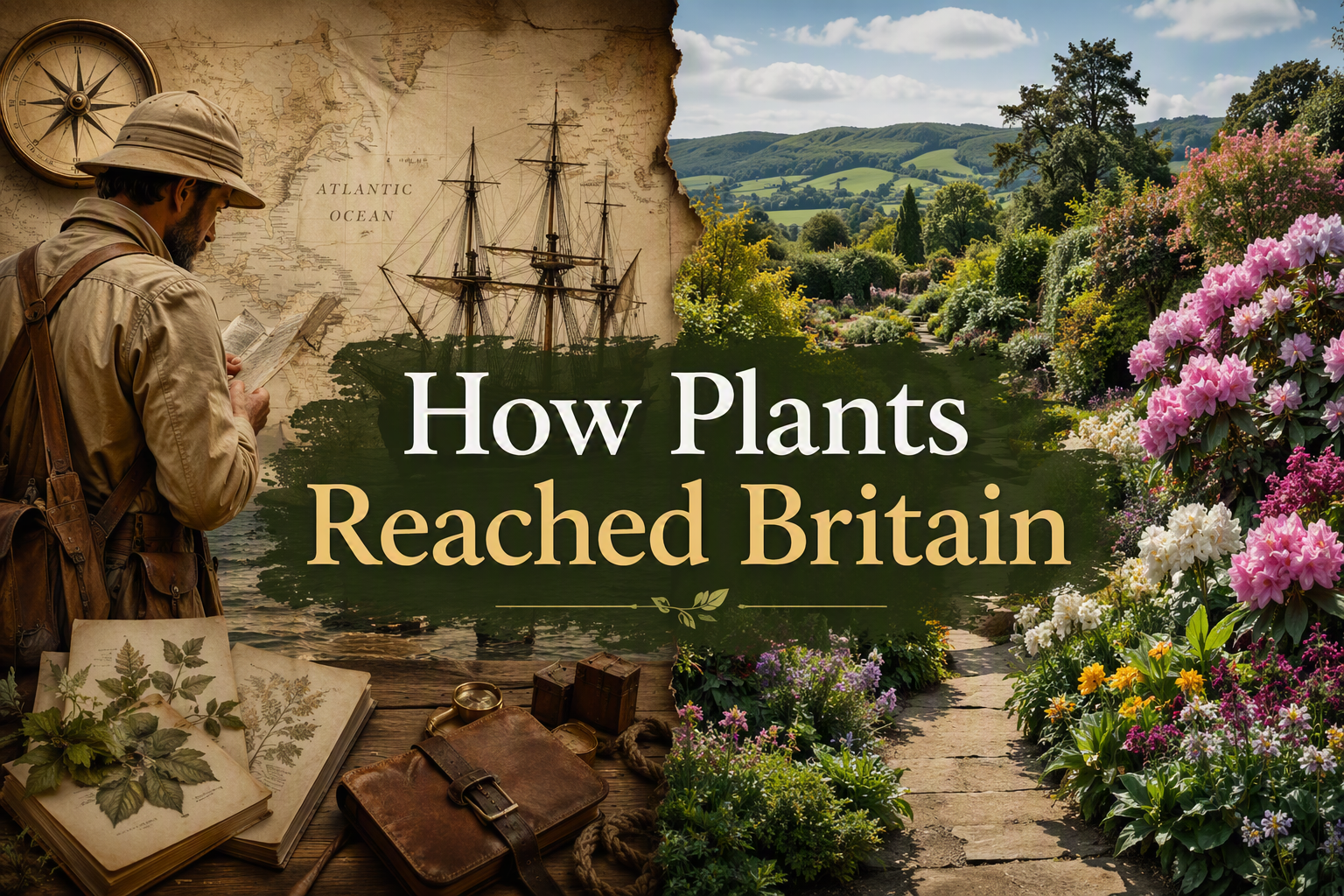
🌱 What Were Plant Hunters?
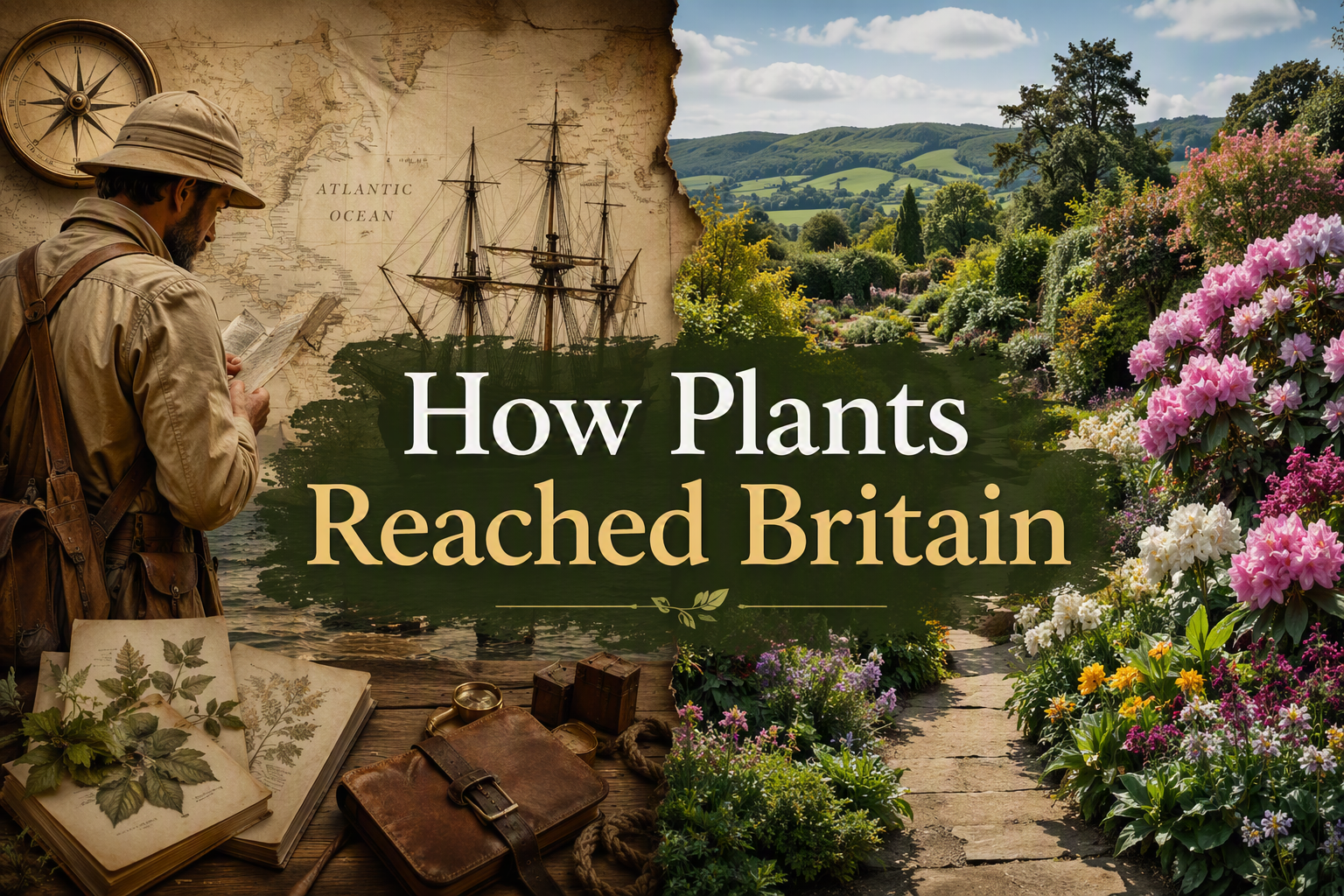
Plant hunters were explorers, botanists, and collectors sent across the world to find new species for British gardens.
In the 18th and 19th centuries, organisations like Kew Gardens funded expeditions to places such as:
- China
- South Africa
- North America
- The Himalayas
Their goal was simple—find plants that could be grown in Britain.
But the reality was anything but simple.
🌍 The Famous Plant Hunters Who Changed Our Gardens
🌲 David Douglas
A Scottish collector who travelled across North America, David Douglas introduced numerous trees—including the now-famous Douglas fir, named in his honour.
His journeys were dangerous, often involving harsh terrain and illness, yet his contributions still dominate modern forestry and landscaping.
🌿 Francis Masson
Kew’s first official plant hunter, Masson brought back over 500 plant species from South Africa.
Many plants that now feel familiar in British gardens actually trace back to his expeditions.
🍵 Robert Fortune
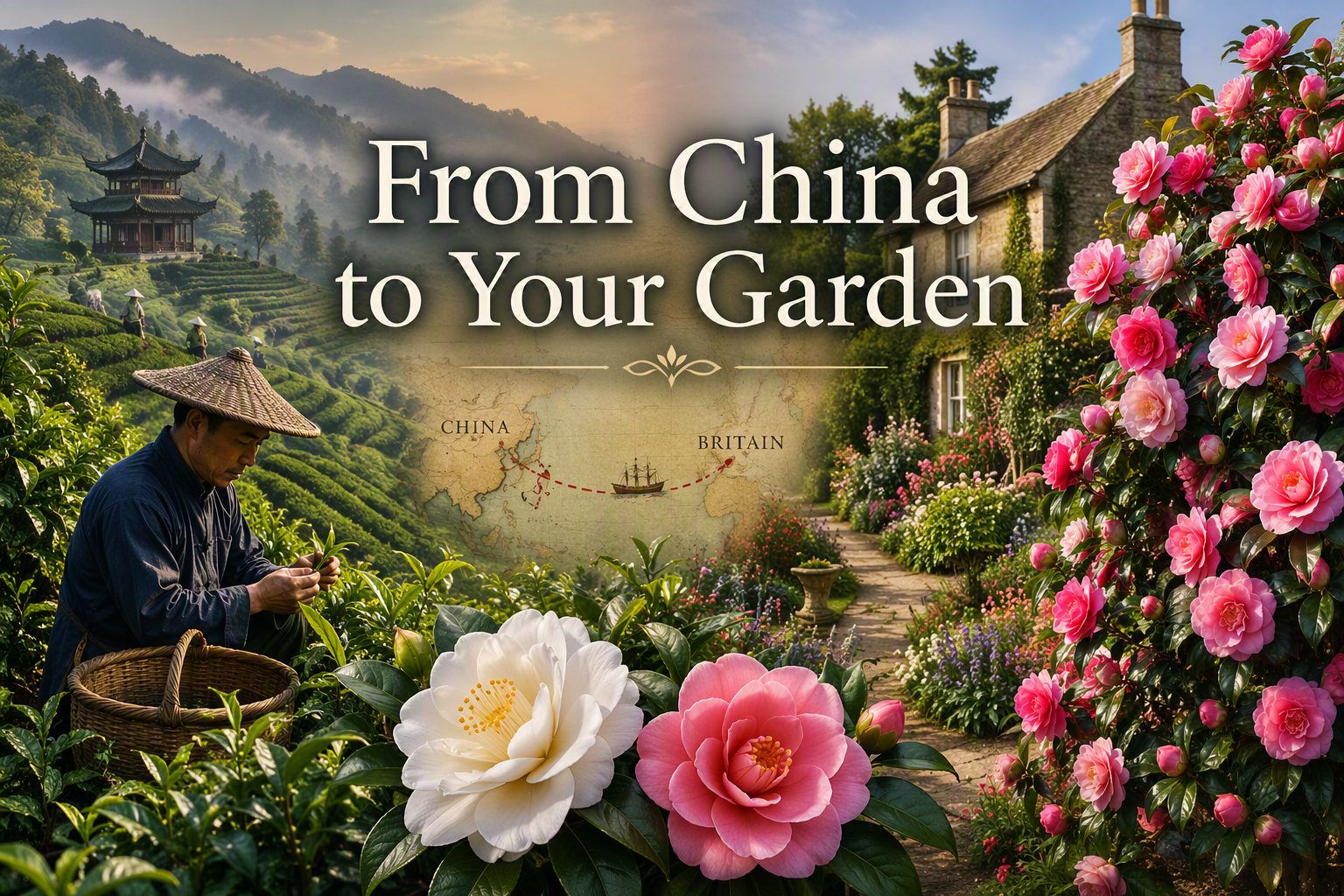
Perhaps one of the most influential plant hunters, Fortune collected ornamental plants in China—but also transported tea plants to India, helping change global agriculture.
His work shaped both gardens and industries.
🌺 Ernest “Chinese” Wilson
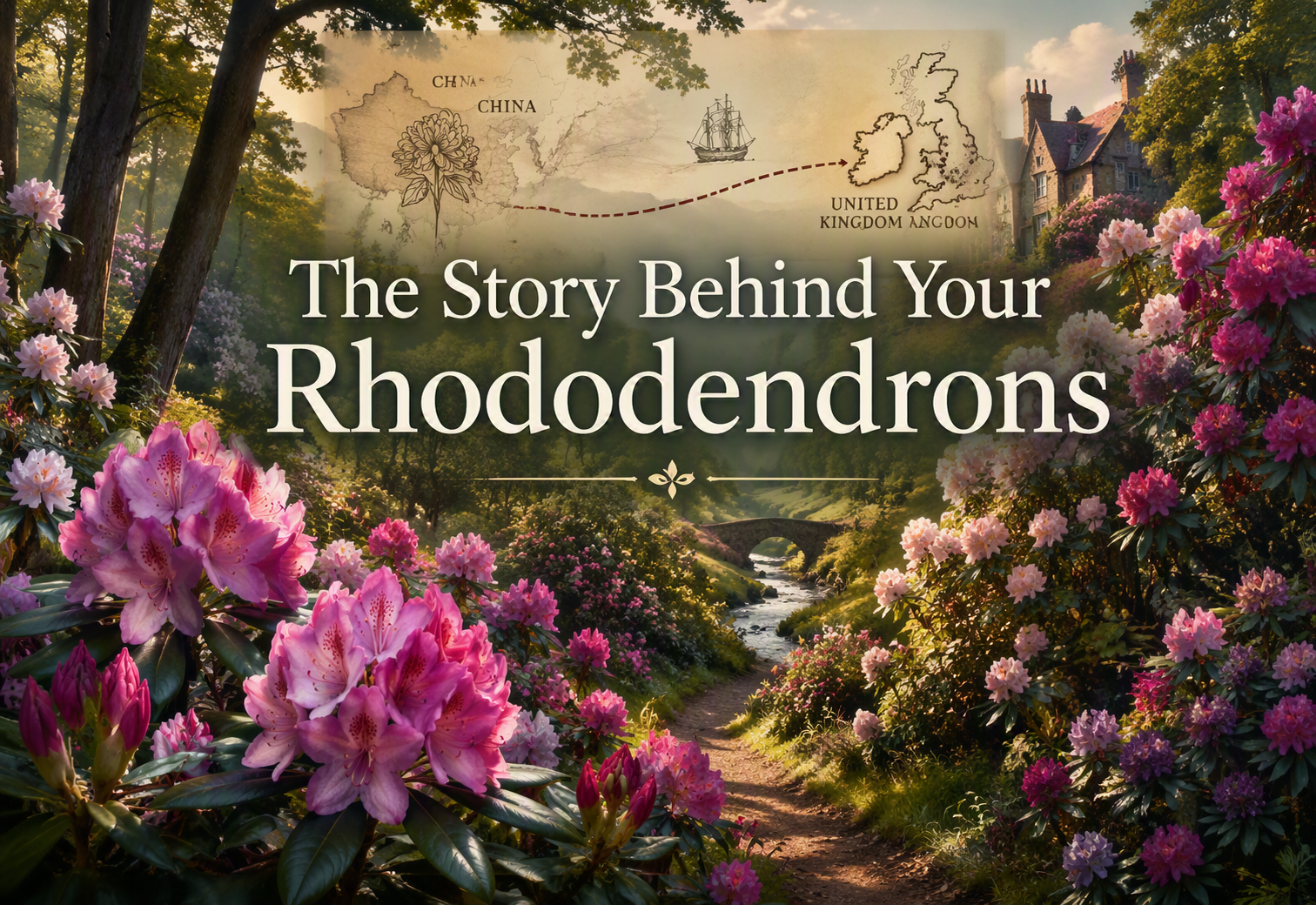
Responsible for introducing around 2,000 plant species, including camellias and rhododendrons, Wilson’s influence is still visible in gardens across the UK.
Even after severe injury, he continued collecting—earning a reputation for determination.
🌸 George Forrest
Exploring China’s Yunnan region, Forrest carried out multiple expeditions and introduced countless plant varieties, particularly rhododendrons and primulas.
His work helped define ornamental gardening as we know it.
🚢 The Big Problem: Plants Didn’t Survive the Journey
Before the 1800s, transporting live plants was incredibly difficult.
Most plants:
- Died from saltwater exposure
- Received no sunlight below deck
- Lacked fresh water
- Rot or dried out during months at sea
In many cases, entire shipments arrived dead.
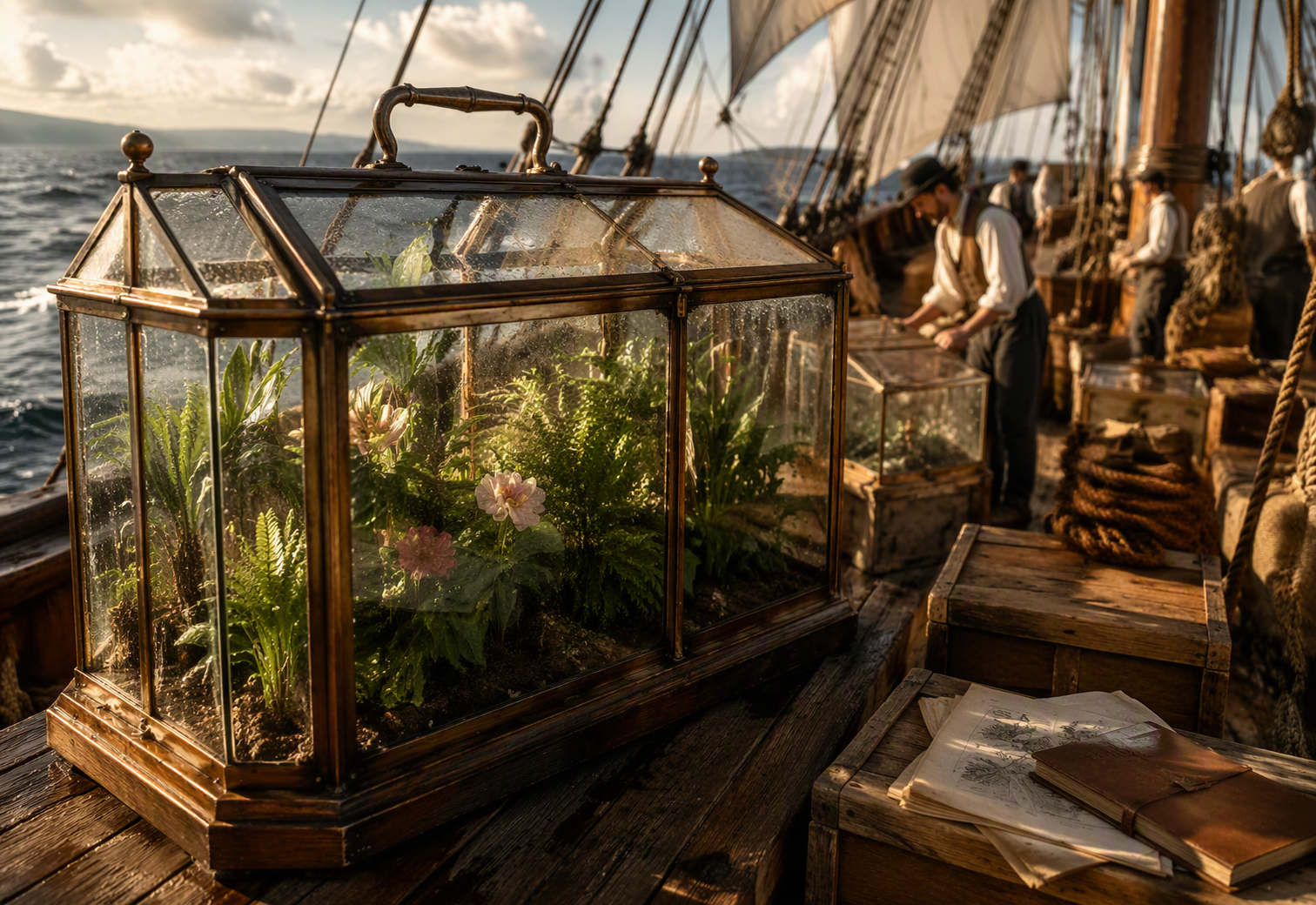
🌿 The Breakthrough: The Wardian Case
Everything changed with the invention of the Wardian case.
This was essentially a sealed glass box that:
- Recycled moisture
- Protected plants from salt spray
- Allowed sunlight exposure on deck
The result? Plants could now survive long voyages.
This single innovation transformed global plant movement and made large-scale plant importing possible.
⚠️ The Hidden Reality: Danger and Hardship
Plant hunting wasn’t a romantic job—it was dangerous.
Collectors faced:
- Shipwrecks
- Disease
- Piracy
- Political unrest
- Months (or years) away from home
Many risked everything simply to bring new plants back to Britain.
📦 Getting Plants Home: More Than Just Exploration
Finding plants was only half the job.
The real challenge was:
- Shipping logistics
- Paperwork and documentation
- Transport via rail and road
- Coordinating with nurseries
Plant hunting was as much about systems and networks as it was adventure.
🌱 Why This Still Matters Today
The plants we grow today—from camellias to rhododendrons—often trace directly back to these expeditions.
Without plant hunters, many of the most popular garden plants in the UK simply wouldn’t exist here.
Their legacy lives on in:
- Modern plant collections
- Garden centre varieties
- Botanical research
- Everyday gardens
🌿 Bringing Plant History Into Your Garden
Many of the plants introduced by early collectors are still widely grown and loved today.
👉 Explore our range of garden-ready plants inspired by historic plant hunting and bring a piece of that legacy into your own garden.
🌿 Plants Connected To Britain’s Plant Hunting History
Many famous plant hunters introduced species that are still popular today. Explore some of these garden favourites:
- Rhododendrons – inspired by the collections of George Forrest and Ernest Wilson.
- Primulas – among the treasures brought back from the Himalayas and China.
- Camellias – ornamental plants popularised through early introductions from Asia.
- Japanese Anemones – many owe their presence in British gardens to historic collecting expeditions.
- Woodland Garden Plants – perfect for recreating the conditions where many newly discovered species originally grew.
❓ FAQs
What is a plant hunter?
A plant hunter was an explorer or botanist who travelled the world collecting plant species to bring back to Britain.
Why did plant hunters matter?
They introduced thousands of plant species that shaped modern British gardens.
How did plants survive long sea journeys?
The invention of the Wardian case allowed plants to survive by creating a sealed, self-watering environment.
Were plant hunters in danger?
Yes—many faced disease, shipwreck, and unsafe travel conditions.
Are plants from plant hunters still grown today?
Yes—many common garden plants originate from historical plant hunting expeditions.