Colocasia: The Bold Tropical Showstopper for Lush, Exotic Gardens
Colocasia — also known as Elephant Ears or Taro — delivers one of the most dramatic foliage effects in any UK garden. Learn how to grow, plant, and care for Colocasia varieties like Black Coral, White Lava, and Pink China, with expert guidance on soil, watering, hardiness, and growth conditions.
What Makes Colocasia Special?
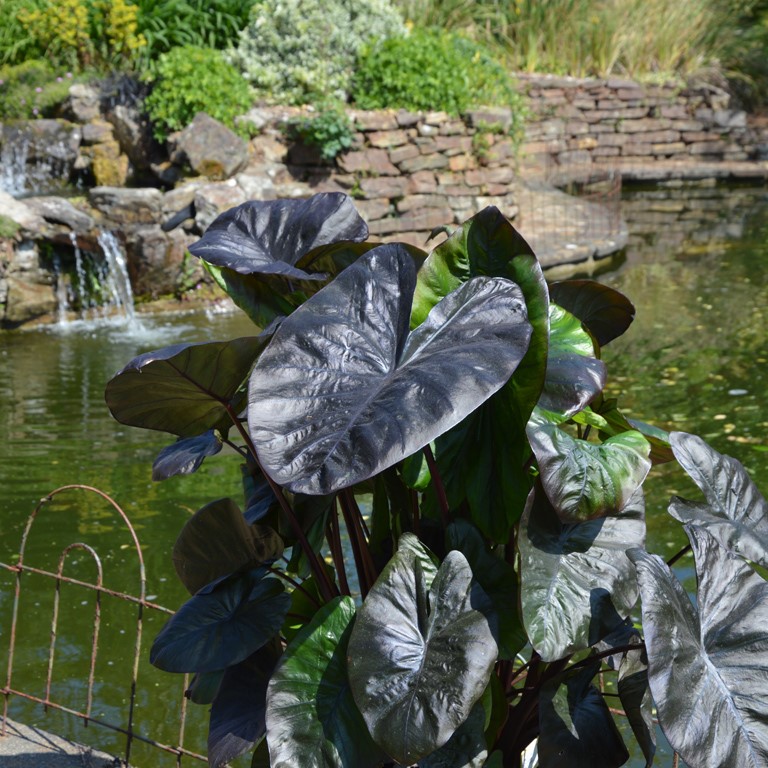
Colocasia is a tropical herbaceous perennial celebrated for its vast, heart‑shaped leaves that create a bold architectural presence. Originating from tropical Asia, Africa, and India, Colocasia thrives in moist, rich soils, warm temperatures, and bright but indirect light.
Varieties range from deep charcoal blacks to greens, variegated tones, and pink‑petioled forms. Hardy options such as Pink China can even withstand winter conditions far better than most tropicals.
Growing Conditions: What Colocasia Needs to Thrive
Light Requirements
Colocasia performs best in:
- Bright, indirect light
- Dappled shade outdoors
- Avoiding harsh direct midday sun which can scorch the leaves
Soil & Planting
Colocasia prefers:
- Rich, loose, humus‑rich soil
- Slightly acidic pH
- Consistent moisture without becoming boggy
It’s ideal for:
- Pond edges
- Moist borders
- Large containers with good drainage
Watering
Colocasia loves moisture. Keep the soil consistently damp, increasing watering during warm spells. High humidity prevents browning and helps achieve those large, dramatic leaves.
Temperature & Hardiness
- Ideal temperature range: 21–29°C
- Sensitive to cold and should be protected from low temperatures
- Hardy varieties like Pink China offer surprising resilience in cooler climates
Feeding
These plants are heavy feeders and respond well to:
- Fortnightly or three‑weekly liquid feeds
- Nitrogen‑rich fertilisers for bigger leaves
- Reduced feeding in autumn and winter
Planting Colocasia: Bulbs, Rhizomes & Timing
Colocasia grows from thick rhizomes (often called bulbs). Choose bulbs that are:
- Firm
- Free from soft spots
- Dry and dormant
Best time to plant:
Spring, once all risk of frost has passed. Warm soil is essential for strong sprouting.
Varieties Worth Growing
A few standout cultivars—several of which feature heavily in your own Dartana stock:
1. Colocasia ‘Black Coral’
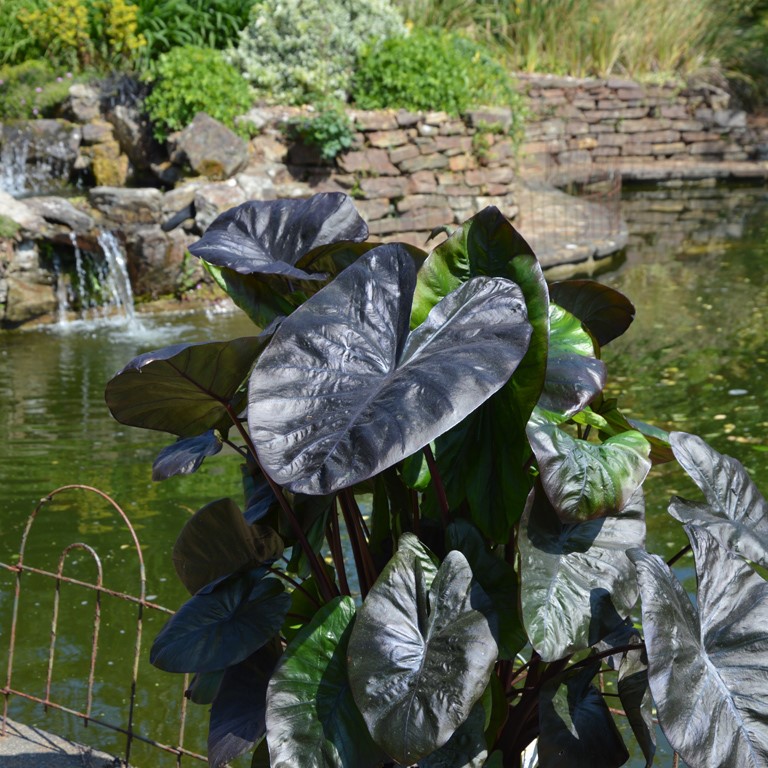
Deep, near‑black, glossy leaves with a metallic sheen. Ideal for dramatic focal points.
2. Colocasia ‘White Lava’
Green leaves with bold white veins and a purple centre — incredibly eye‑catching and highly sought after.
3. Colocasia ‘Pink China’
A hardy performer with pink stems, ideal for UK gardeners wanting a tropical feel without winter hassle.
Common Problems & Solutions
Brown Leaf Edges
Cause: Low humidity
Solution: Increase humidity, mist lightly, group with other tropicals, or use pebble trays.
Yellow Leaves
Cause: Overwatering or insufficient light
Solution: Let soil dry slightly and move plant to brighter, indirect light.
Root Rot
Cause: Overly wet, poorly drained soil
Solution: Improve drainage, reduce watering frequency, and avoid heavy clays.
Using Colocasia in Garden Design
Colocasia is perfect for:
- Tropical‑style borders
- Pondside plantings
- Pairing with Musa, Canna, ferns, and other bold foliage plants
- Large containers on patios for a lush, exotic display
Their oversized leaves add height, drama, and movement when caught by the breeze.
FAQs
Are Colocasia the same as Alocasia?
No — Colocasia leaves generally droop downward, while Alocasia leaves often point upward.
Can I grow Colocasia indoors?
Yes, if provided bright, indirect light, high humidity, and warm temperatures.
Do Colocasia go dormant?
Yes. In cooler weather they naturally die back, with tubers remaining alive underground until spring.


.png)