
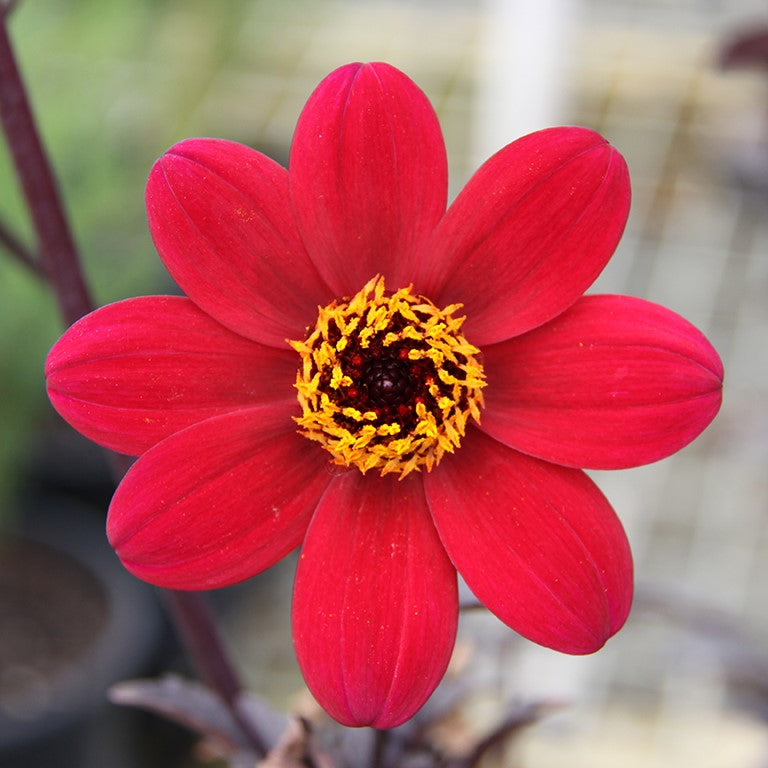
Dahlia Plug Plants – A Complete Guide
Dahlia plug plants offer an easy, fast and affordable way to grow stunning summer blooms. Perfect for borders, containers and cutting gardens, they establish quickly and flower for months. This complete guide covers planting, feeding, watering, troubleshooting and choosing the best Dahlia varieties for UK gardens.
What Are Dahlia Plug Plants?
Dahlia plug plants are young, well‑rooted starter plants grown in small plugs of compost. They avoid the fuss of starting Dahlias from tubers or seeds and are ideal for beginners and seasoned gardeners alike.
Why choose plug plants?
- Quick to establish
- No tuber prep or sprouting required
- Reliable, early flowering
- Perfect for containers, borders and cutting beds
Dahlias grown from plug plants bloom from midsummer until the first frost, providing one of the longest display seasons of any perennial.
Popular Dahlia Varieties
Here are three standout choices:
Dahlia ‘Bishop of Llandaff’
- Striking red flowers
- Dramatic dark foliage
- Loved by pollinators
- Excellent for bold borders
Dahlia ‘Café au Lait’
- Huge, creamy dinner‑plate blooms
- A favourite for weddings
- Ideal for cutting gardens
Dahlia ‘Happy Single Flame’
- Compact and colourful
- Perfect for pots and small gardens
- Highly floriferous
How to Plant Dahlia Plug Plants
Choosing the Right Soil
Dahlias love:
- Fertile, rich, well‑drained soil
- Plenty of organic matter or compost
- A sunny position (at least 6 hours of direct sunlight)
If soil is heavy, lighten it with grit or compost.
Potting and Spacing
You can grow plug plants in:
✔ Borders
✔ Raised beds
✔ Large containers
✔ Cutting gardens
Spacing:
- Plant 30–45cm (12–18 inches) apart
- Give taller varieties extra elbow room for airflow
Containers:
- Choose at least a 5–10 litre pot per plant
- Use peat‑free compost enriched with organic matter
Watering Tips
- Water regularly, especially in hot weather
- Keep soil moist but never waterlogged
- Avoid overhead watering to reduce mildew risk
- Mulch to conserve moisture and suppress weeds
New plug plants need consistent moisture until fully rooted.
Care and Maintenance
Light Requirements
Dahlias need full sun for the best flowering.
More sun = more blooms.
Feeding
Use a high‑potash fertiliser (e.g., tomato feed) every 2 weeks during the growing season.
Potash boosts flowering and improves bloom quality.
Deadheading
- Remove faded flowers regularly
- Encourages continuous new blooms
- Keeps plants looking fresh
This is essential for long, abundant flowering.
Common Problems & Solutions
Slugs and Snails
Young plants are vulnerable. Protect with:
- Organic pellets
- Wool pellets
- Copper tape
- Night‑time hand picking
- Beer traps
Powdery Mildew
- Improve air circulation
- Water at soil level
- Avoid overcrowding
Poor Flowering
Usually caused by:
- Not enough sun
- Lack of food
- Poor drainage
- Overwatering
Where to Buy Dahlia Plug Plants
Purchase from:
- Reputable nurseries
- Online plant specialists
- Growers offering named varieties and quality plugs
Mixed packs are excellent for beginners or those wanting varied colour.
Final Thoughts
Dahlia plug plants offer a simple, cost‑effective way to fill your garden with spectacular summer colour. Whether you love bold reds, soft café‑tones or giant dinner‑plates, Dahlias deliver impact, drama and months of blooms.
With the right soil, sunshine and feeding, they’ll reward you from midsummer right through to the first frost.
FAQs
Are Dahlia plug plants easier than tubers?
Yes — they establish faster and require less preparation.
When do Dahlia plug plants flower?
From midsummer until the first frost.
Can I grow Dahlias in pots?
Absolutely — use large containers with rich compost and full sun.
Do Dahlias need staking?
Tall varieties benefit from early staking; dwarf types usually don’t.
Are Dahlias hardy?
No — lift tubers or protect plants over winter.


