Digitalis purpurea ‘Snow Thimble’: The Pure White Foxglove for Shady Borders
Digitalis purpurea ‘Snow Thimble’ is one of the most elegant white foxgloves you can grow — tall, luminous, pollinator‑friendly, and perfect for cottage gardens and woodland edges. Here’s how to grow it effortlessly in your Dartmoor‑to‑Devon conditions.
What Makes ‘Snow Thimble’ Special
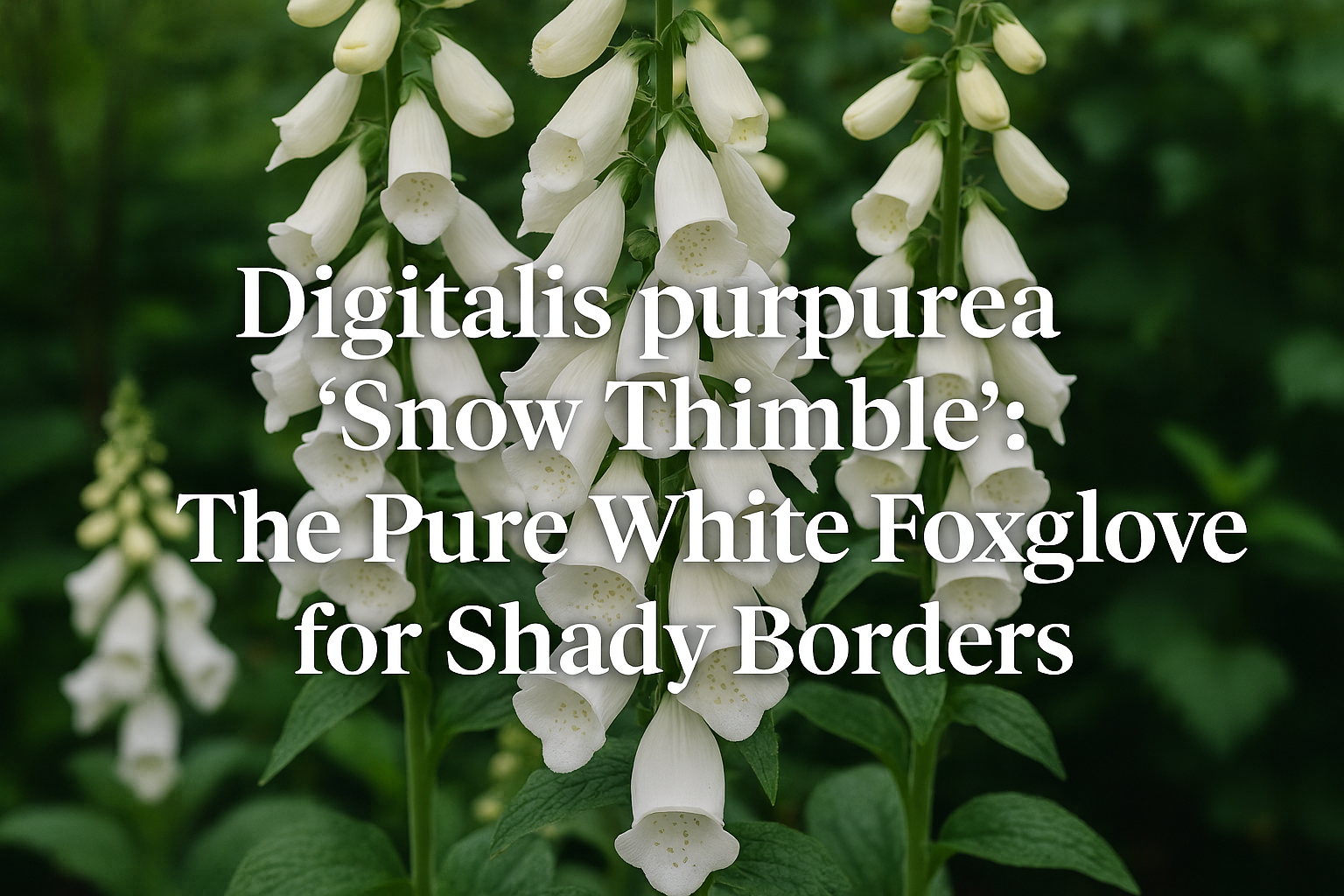
Digitalis purpurea ‘Snow Thimble’ is a compact white foxglove noted for its pristine, bell‑shaped flowers that glow even on cloudy days. Unlike some large, towering foxgloves, ‘Snow Thimble’ stays pleasantly manageable at around 60–80cm tall, making it ideal for smaller gardens, containers, and tight borders.
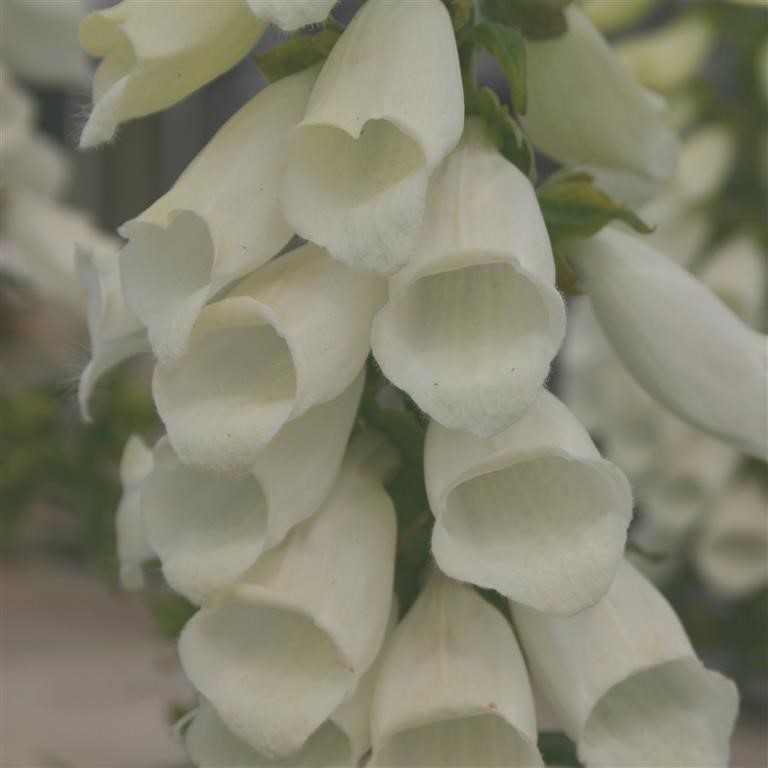
Its pure white blooms carry a soft dusting of pale freckles and sit neatly along strong, upright stems. The effect is both romantic and architectural — especially when planted en masse.
Growing Conditions: How to Get the Best Display
Light
- Thrives in partial shade
- Tolerates full sun in cooler, moist soils
- Ideal for woodland gardens, north‑facing beds, and beneath deciduous shrubs
Soil
- Moist but well‑drained
- Humus-rich, lightly acidic to neutral
- Mulch yearly for stronger flowering
Watering
- Keep evenly moist during establishment
- Once settled, foxgloves are relatively drought-tolerant
Feeding
- A light feed in early spring promotes stronger spikes
- Avoid overfeeding (can cause floppy, leafy growth)
Planting: Positioning for Maximum Impact
‘Snow Thimble’ shines when planted:
- In drifts of 5–7 for a natural cottage look
- Along woodland paths
- With silver-leaved plants (Stachys, Artemisia)
- Among ferns and shade-loving perennials
This foxglove is a biennial, meaning:
- Year 1 → foliage
- Year 2 → flowers
- Then self-seeds gently (not aggressively)
To guarantee yearly blooms, plant a mix of Year 1 and Year 2 plants or allow some self‑sown seedlings to mature.
Wildlife & Pollinators
Foxgloves are a cornerstone of wildlife gardens, and ‘Snow Thimble’ is no exception:
- Loved by bumblebees
- Supports long‑tongued pollinators
- Provides nectar during the early summer gap
White foxgloves are especially good in shadier spots, where small creatures often forage more discreetly.
Companion Planting Ideas
Pair ‘Snow Thimble’ with:
- Hosta ‘Halcyon’ (cool tones, structure)
- Astrantia major (romantic and long-flowering)
- Brunnera ‘Jack Frost’ (silver foliage)
- Ferns for woodland elegance
- Primulas for colour at the base
Seasonal Care
Spring
- Clear old foliage
- Add organic mulch
- Water if dry
Summer
- Enjoy flowers June–July
- Deadhead if you want to avoid self-seeding
- Leave a few spikes if you do want seedlings
Autumn / Winter
- Rosettes persist through winter
- Protect from waterlogging with good drainage
Common Problems
| Problem | Cause | Fix |
|---|---|---|
| Plants flopping | Too rich soil | Reduce feeding, stake lightly |
| No flowers | First year / too much shade | Allow biennial cycle; increase light |
| Yellowing leaves | Poor drainage | Improve soil structure |
FAQs
Is Digitalis purpurea ‘Snow Thimble’ poisonous?
Yes — like all foxgloves, it is toxic if ingested. Handle with care around pets and children.
Will it flower in its first year?
Being a biennial, it typically flowers in year two unless bought as a pre-grown flowering-size plant.
Does it self-seed true to type?
Usually, but offspring may vary slightly due to open pollination.
Can it grow in full shade?
It will tolerate deep shade but flowers best in bright dappled light.


.png)