
Dryopteris atrata (Shaggy Shield Fern): A Bold, Textured Fern for Woodland Shade
Dryopteris atrata, commonly known as the Shaggy Shield Fern, is a striking, architectural fern with glossy dark fronds and a rugged, textured look perfect for shade gardens, woodland edges, and moisture-rich borders. Here’s how to grow it effortlessly and elevate the drama in your darker planting spaces.
Why Dryopteris atrata Deserves a Spot in Your Garden
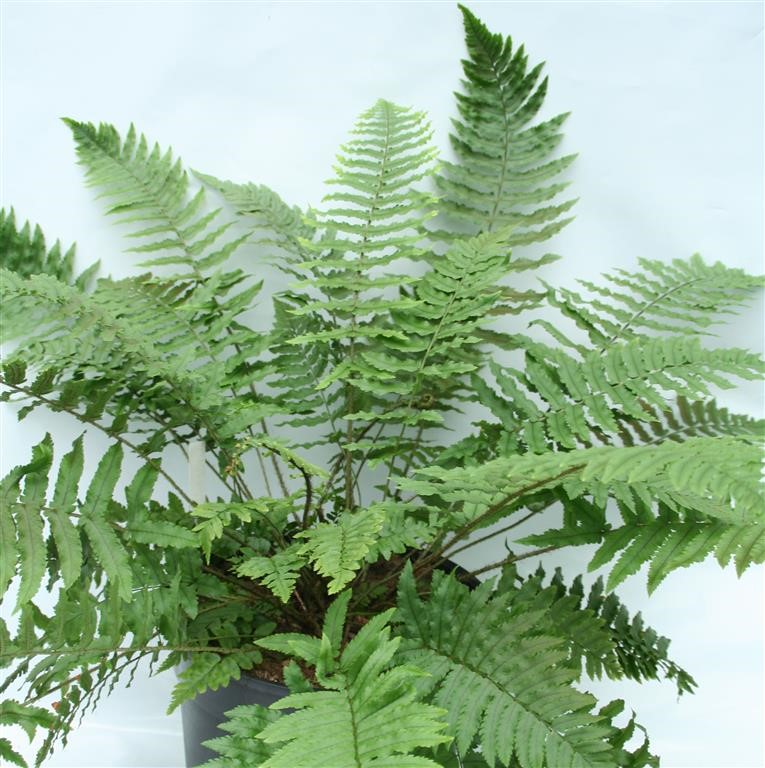
Dryopteris atrata is one of those ferns that instantly adds depth, structure, and sophistication to shaded areas. Its fronds emerge almost black when young, gradually maturing to a deep, rich green with a distinctive “shaggy” underside. The plant forms a tidy vase-shaped clump, bringing natural elegance without demanding attention.
This makes it especially valuable in UK shade gardens where texture and contrast are key design tools.
Growing Conditions: What This Fern Loves
Light
- Partial to full shade
- Thrives under tree canopies
- Best in cool, sheltered positions
Soil
- Moist yet well-drained
- Rich in organic matter
- Prefers neutral to slightly acidic soils
Watering
- Keep consistently moist, especially in the first year
- More tolerant of brief dry spells once established
Feeding
- A spring mulch of garden compost or leaf mould is usually sufficient
- Heavy feeding is unnecessary — too much nitrogen spoils its structure
How to Plant Dryopteris atrata
Plant in drifts or clusters to accentuate the dark fronds. Ideal placements include:
- Woodland borders
- Shady corners needing structure
- Moist, north-facing beds
- Underplanting around deciduous shrubs
Space plants around 45–60cm apart to allow mature shaping.
Design & Companion Planting
Dryopteris atrata pairs superbly with other shade performers:
- Hostas (especially blue varieties)
- Brunnera ‘Jack Frost’
- Pulmonaria varieties
- Japanese forest grass (Hakonechloa)
- Primulas and candelabra types
- Heucheras for colour contrast
Use it to introduce dark tones that ground brighter greens, whites, and silvers.
Seasonal Care
Spring
- Remove old fronds to allow fresh ones to unfurl cleanly
- Mulch with leaf mould
Summer
- Maintain moisture in long dry spells
- Refresh mulch if needed
Autumn
- Allow fronds to naturally fade; they protect the crown
Winter
- Semi-evergreen depending on conditions
- Cut back tatty fronds in late winter before new growth begins
Pest & Problem Notes
Dryopteris atrata is largely trouble-free:
- Slugs may nibble new fronds — use organic barriers
- Wind scorch in exposed positions — plant in shelter
- Drying out reduces frond size — irrigate consistently
FAQs
Is Dryopteris atrata evergreen?
Semi-evergreen in mild areas; may die back fully in harsher winters.
Does it spread aggressively?
No, it forms a well-behaved clump.
Can I grow it in a pot?
Yes — choose a deep, moisture-retentive container and keep shaded.
How tall does it get?
Typically 45–60cm tall with a similar spread.


