
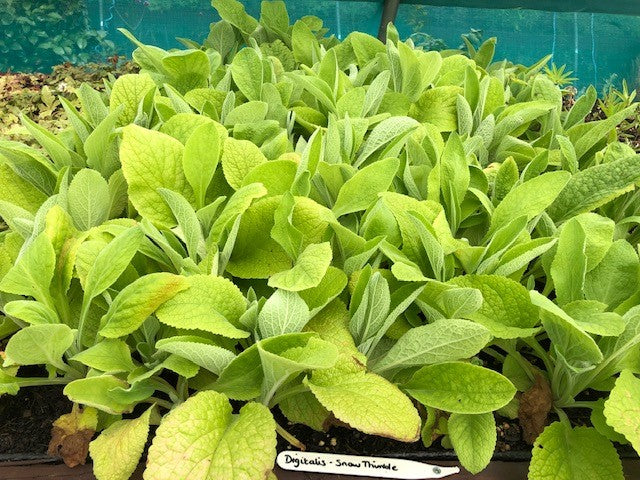
Foxglove Plug Plants: How to Grow Digitalis for Stunning Garden Displays
Foxglove plug plants offer an effortless way to enjoy tall spires of bee‑friendly blooms. Plant in partial shade, keep soil moist, and enjoy dramatic cottage‑garden colour with minimal effort.
Why Choose Foxglove Plug Plants?
Plug plants remove the hassle of seed‑sowing and give you:
- Strong, reliable growth from professionally propagated seedlings
- Earlier flowering, thanks to faster establishment
- Access to special colours and hybrids
- Less risk of damping-off or seed failure
For busy gardeners or high‑volume planting, plugs provide a head start with minimal stress.
Choosing the Right Spot
Foxgloves (Digitalis) thrive in:
- Partial shade – perfect for woodland edges
- Moist, well‑drained soil enriched with compost
- Sheltered positions protected from strong winds
They shine in cottage‑garden borders, naturalised areas, and wildlife‑friendly plantings.
Preparing the Soil
- Loosen soil to a depth of 20–25cm
- Add organic matter such as compost or leaf mould
- Ensure drainage is good — avoid standing water
How to Plant Foxglove Plug Plants
Planting Steps
- Gently remove plugs from their trays
- Space seedlings 30–45cm apart for airflow and height
- Plant at the same depth as the plug compost
- Firm in gently and water well after planting
Aftercare
- Keep the soil moist during establishment
- Mulch to maintain cool, moist conditions
- Stake taller varieties in exposed areas
Popular Foxglove Varieties
- Digitalis purpurea – classic purple spires
- Digitalis ‘Pam’s Choice’ – cream bells with maroon throats
- Digitalis ‘Apricot Beauty’ – soft apricot shades for warm borders
- Digitalis ‘Dalmatian Mix’ – early‑flowering hybrid in mixed colours
Safety Note
⚠️ Foxgloves are toxic if ingested.
Wear gloves when handling and keep away from pets and children.
Benefits of Growing Foxgloves
- Pollinator magnets – adored by bees
- Architectural height for dramatic borders
- Self‑seeding for naturalised displays year after year
Let them seed gently for effortless renewal.
FAQs
Q1: Are foxgloves perennial or biennial?
Most are biennial (grow first year, flower second year), though some hybrids are short‑lived perennials.
Q2: When do foxgloves flower?
Typically late spring to early summer.
Q3: Are foxgloves safe for pets?
No — all parts are toxic.
Q4: Can foxgloves grow in full sun?
Yes, but they prefer partial shade, especially in warm regions.
Q5: Do foxgloves come back every year?
Biennial types die after flowering, but self‑seed freely, giving new plants annually.
Bring height, charm and pollinator appeal to your garden with foxglove plug plants. Fast‑establishing, easy to grow, and perfect for creating a romantic cottage‑garden look — start planting today.


