
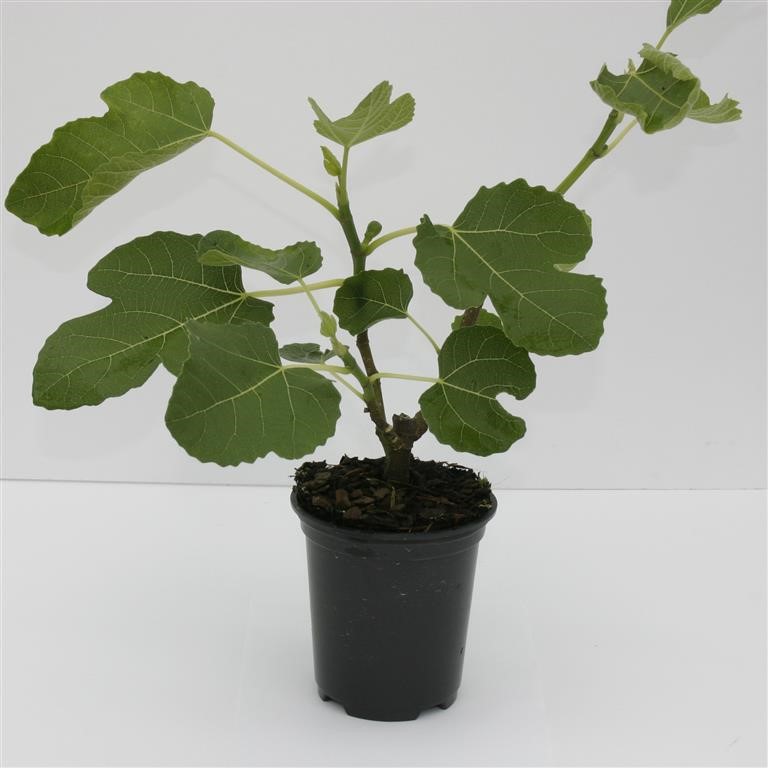
How to Grow Ficus carica ‘Brown Turkey’: Complete Guide for UK Gardens
Ficus carica ‘Brown Turkey’ is one of the most reliable, cold‑tolerant fig varieties for UK gardens. Known for its sweet, richly flavoured fruit and attractive foliage, it grows well in borders, sunny walls and large containers. This guide covers planting, watering, pruning, fertilising, winter protection and harvesting to help you get the very best from your fig tree.

1. Choosing the Best Location
Sunlight
Select a spot with full sun — ideally 6–8 hours daily.
Sunny south‑facing walls are perfect, helping the tree ripen fruit more successfully.
Soil
Figs demand well‑drained soil.
Ideal soil is:
- Sandy or loamy
- Rich in organic matter
- Slightly acidic (pH 6.0–6.5)
Improve heavy soil by adding grit and compost.
2. Planting Ficus ‘Brown Turkey’
Timing
Plant in spring, after the last frost, to give roots time to settle.
Spacing
When planting outdoors, space trees 15–20 feet apart. Figs spread widely over time.
How to Plant
- Dig a hole twice as wide as the root ball
- Plant at the same depth it grew in the pot
- Backfill and water well
- For vigorous soil, consider root‑restriction with slabs or a pot to encourage fruiting
3. Watering Requirements
Frequency
- Water regularly during the growing season
- Keep soil moist but never waterlogged
- Reduce watering during winter dormancy
Mulching
Apply organic mulch around the base to retain moisture and stabilise soil temperature.
4. Fertilising Your Fig
When to Feed
- Early spring — main feed
- Optional second feed mid‑summer, if growth appears slow
What to Use
- A balanced fertiliser
- Or organic options such as compost, seaweed feed or well‑rotted manure
Avoid high‑nitrogen fertilisers which promote leaves at the expense of fruit.
5. Pruning & Training
Best Time
Prune in late winter or early spring, before sap rises.
Why Prune
- Remove dead or weak branches
- Improve airflow
- Encourage a manageable shape
- Increase fruit production
How to Prune
- Maintain an open centre
- Trim back overlong branches
- Remove crossing or congested stems
Training against a warm wall increases yields.
6. Pests & Diseases
Common Pests
- Aphids
- Spider mites
- Fruit flies
Prevention
- Keep fallen fruit cleared
- Encourage beneficial insects
- Use insecticidal soap or neem oil for control
Disease
Most issues arise from poor drainage. Keep roots aerated and soil lightly moist.
7. Harvesting Brown Turkey Figs
When to Harvest
Figs ripen from late summer to early autumn.
Signs of Ripeness
- Fruit is soft when gently squeezed
- Neck of fruit droops
- Skin may wrinkle slightly
- Fruit detaches easily
Harvest carefully — figs are delicate when ripe.
8. Winter Care & Protection
Ground‑Grown Trees
‘Brown Turkey’ is hardy, but young trees benefit from winter protection.
Use:
- Mulch
- Straw at the base
- Fleece in extreme cold
Container‑Grown Trees
Move pots to a frost‑free but cool location such as a:
- Unheated conservatory
- Cold greenhouse
- Sheltered porch
Keep soil just barely moist during winter.
Additional Tips
Container Growing
Figs grow exceptionally well in pots — and often fruit more heavily when root‑restricted.
Use a large container with drainage holes and a soil‑based compost.
Good Companions
Plant near:
- Rosemary
- Lavender
- Thyme
- Heat‑tolerant vegetables (tomatoes, peppers)
Figs enjoy warm, sunny, sheltered microclimates.
Conclusion
Ficus carica ‘Brown Turkey’ is one of the easiest fig varieties to grow in the UK, offering sweet, flavourful fruits and bold foliage. With full sun, free‑draining soil, thoughtful pruning and simple winter protection, your fig tree will produce reliable crops year after year — whether grown in a border or a large decorative pot.
FAQs
Q: Why isn’t my fig tree fruiting?
A: Common causes include low sunlight, too much nitrogen, or lack of root restriction.
Q: Can figs grow in pots?
A: Yes — in fact, root‑restricted figs often fruit better.
Q: Do figs lose their leaves in winter?
A: Yes — ‘Brown Turkey’ is deciduous and naturally drops leaves at the end of the season.
Q: Are fig trees hardy in the UK?
A: Yes, especially ‘Brown Turkey’, although young trees benefit from frost protection.


