
🌸 Introduction
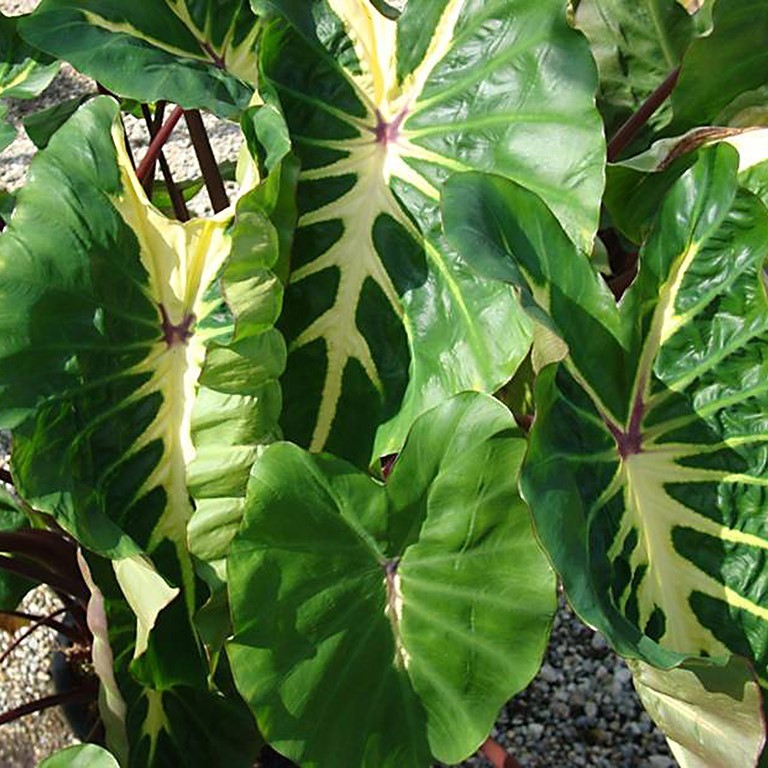
Colocasia ‘White Lava’ is one of Dartana Plants’ standout tropical foliage plants — a dramatic, eye‑catching variety with huge glossy leaves, bold white central veins, and vivid purple accents. When grown well, it becomes a real centrepiece in borders, containers or exotic-style gardens. Although it hails from warmer climates, it can thrive in the UK with the right care, producing lush, architectural foliage from late spring through autumn.
Below is your complete guide to successfully growing Colocasia ‘White Lava’ in UK gardens.

🌞 1. Choosing the Best Location
Colocasia ‘White Lava’ loves warmth and humidity, so choosing the right spot ensures strong, vibrant foliage.
Light
- Partial shade to full sun
- Afternoon shade helps prevent leaf scorch during heatwaves
- In northern UK areas, more sun = better growth
Shelter
- Protect from strong winds
- Large leaves tear easily in exposed locations
- Near a wall, fence or hedge is ideal
🌱 2. Soil Requirements
Colocasia thrives in rich, moisture‑retentive yet well‑draining soil.
Ideal Soil Mix
- Loam enriched with compost
- Organic matter such as leaf mould
- Slightly acidic to neutral pH (6.0–7.0)
Drainage
Essential — Colocasia likes moisture but not soggy conditions.
Use:
- Raised beds
- Amended borders
- Containers with drainage holes
💧 3. Watering: Keep It Moist
Water is key to large foliage.
Watering Guidelines
- Keep soil consistently moist, especially in summer
- Do not allow to fully dry out
- Avoid waterlogging, which leads to root rot
- Container plants need more frequent watering
Colocasias enjoy moisture — some people even grow them at pond edges (as long as the crown isn’t submerged).
🌡️ 4. Temperature and Seasonal Considerations
Colocasia ‘White Lava’ is not frost hardy, which is the main challenge in UK gardens.
Temperature Tips
- Plant outside only after all frost risk has passed
- Thrives in warm, humid summer weather
- Growth slows in cool spells
Overwintering
In most UK regions:
- Lift tubers before the first frost
- Store in a cool, dry, frost‑free place
- Replant in spring
For container-grown plants:
- Move pots into a greenhouse, conservatory or sheltered porch
- Keep compost barely moist
🌿 5. Feeding: Support Lush Growth
Colocasia is a hungry plant — feeding matters.
Fertilising
- Use a balanced general fertiliser in spring
- Feed every 2–3 weeks during peak growth
- Slow-release fertilisers work very well
- High‑nitrogen feeds boost leaf size
Avoid overfeeding late in the season.
🐛 6. Managing Pests & Diseases
Colocasia ‘White Lava’ is generally robust but can be affected by:
Common Pests
- Aphids
- Spider mites
- Slugs/snails on young leaves
Prevention
- Inspect leaves regularly
- Improve airflow between plants
- Avoid overhead watering
- Treat pests early with soapy water or neem
🌱 7. Propagation
The easiest method is dividing offsets.
Offsets
- Separate side shoots during late spring or summer
- Ensure each division has roots and at least one leaf
- Pot separately and grow on
This produces healthy clones identical to the parent plant.
❄️ 8. Winter Care: Essential for UK Survival
Colocasia ‘White Lava’ is tender and needs protection.
If left in the ground (mild regions only):
- Add a thick mulch layer (straw, bark, compost)
- Protect the crown with fleece
If lifting:
- Lift tubers before frost
- Let them dry for 24–48 hours
- Store in a paper bag or box of dry peat/coir
- Keep at 5–10°C
Container plants:
- Bring indoors before frost
- Keep soil barely damp to prevent rot
🌴 Why Dartana Plants Loves Colocasia ‘White Lava’
- Incredible dramatic foliage
- Excellent for tropical and exotic borders
- Works beautifully in patio planters
- Fast-growing with the right warmth
- A true statement plant with huge summer impact
With proper care, it becomes one of the most spectacular foliage plants you can grow in the UK.
❓ FAQs
Is Colocasia ‘White Lava’ hardy?
No — treat it as a tender perennial and protect the tubers over winter.
Can it grow indoors?
Yes, but needs strong light and humidity.
Does it tolerate full sun?
Yes, though afternoon shade prevents scorch during heatwaves.
How tall does it grow?
Typically 1–1.5m in UK conditions.


