🌸 Hellebore Plug Plants – Evergreen Winter Flowers for UK Gardens
🌿 Plant Overview
Hellebores are among the most valuable perennials for UK gardens, offering flowers at a time when little else is in bloom. Grown from plug plants, hellebores establish quickly and develop into strong, evergreen plants that provide structure and colour throughout the year.
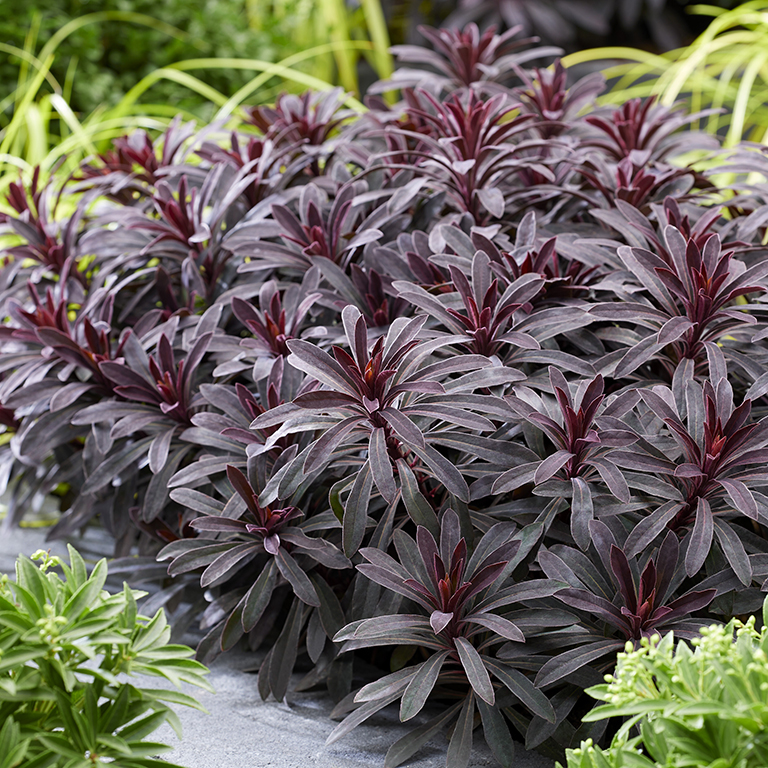
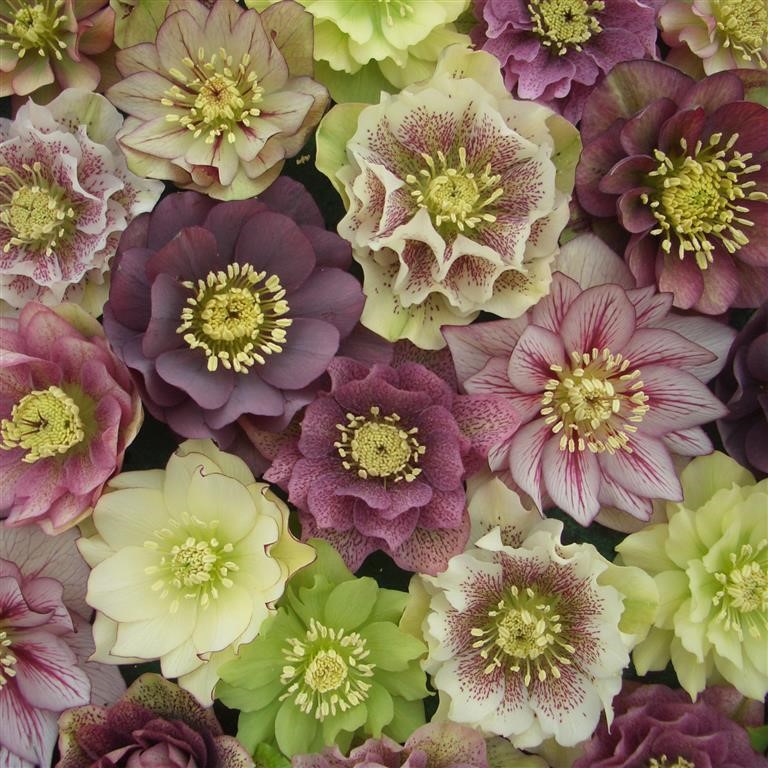
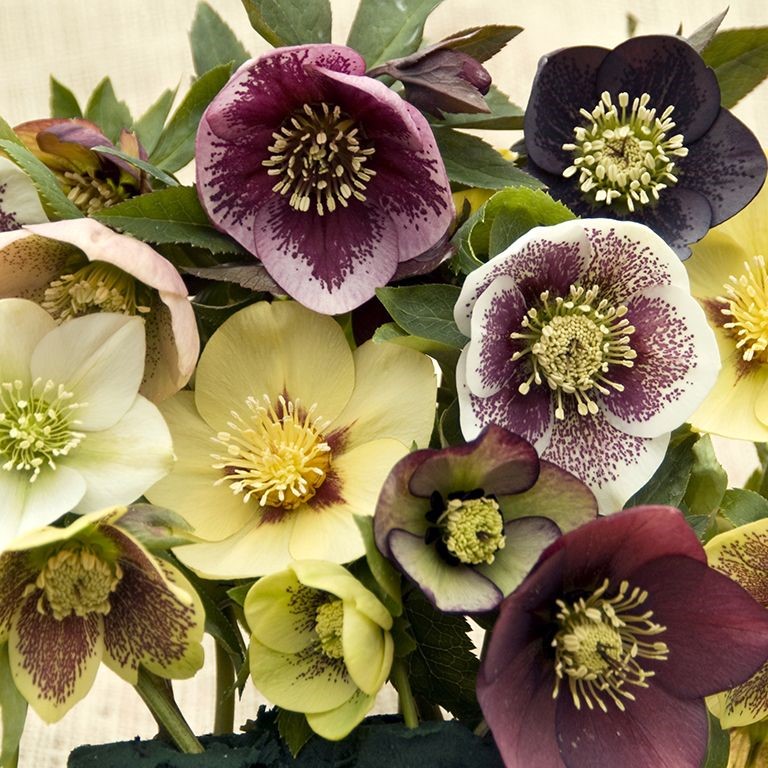
Flowering from winter into early spring, hellebores produce nodding blooms in shades of white, pink, green, purple, and near‑black. Their leathery foliage remains attractive year‑round, making them ideal for shaded borders, woodland planting schemes, and underplanting beneath shrubs.
Hellebore plug plants are a cost‑effective way to build long‑lasting displays that improve with age.
🌱 Growing Hellebore Plug Plants
Hellebore plug plants prefer moist but well‑drained soil and perform best in partial to full shade. They thrive in humus‑rich conditions and benefit from added organic matter at planting time.
Once established, hellebores are low‑maintenance and highly resilient. Old foliage can be removed in late winter to allow flowers to shine and reduce the risk of disease. With minimal care, hellebores will return year after year, increasing in size and flowering strength.
🌱 Soil Requirements
Hellebores prefer moist but free‑draining soil that is rich in organic matter. They are tolerant of a wide range of soil types, including neutral to alkaline soils, and often perform well on chalk or limestone where nutrients are plentiful.
Incorporating leaf mould, garden compost, or well‑rotted manure at planting time improves establishment and long‑term performance.
💧 Watering & Moisture
While hellebores are drought‑tolerant once established, they perform best when soil remains consistently moist, particularly during their flowering period in winter and early spring. Prolonged dryness can lead to reduced flowering and poor foliage quality.
Avoid waterlogged conditions, as hellebores dislike sitting in saturated soil.
🍂 Feeding & Mulching
An annual mulch of leaf mould or well‑rotted organic matter applied in autumn helps retain moisture, improve soil structure, and slowly feed the plant. This also mimics the natural woodland leaf litter hellebores thrive in.
Additional feeding is rarely necessary in garden borders if soil is healthy and regularly mulched.
✂️ Pruning & Ongoing Care
Old or damaged foliage should be cut away in late winter, just before flowering peaks. This improves air circulation, reduces the risk of disease, and allows the flowers to be fully visible.
Hellebores are generally low‑maintenance and long‑lived, forming strong clumps over time with minimal intervention.
🌸 Flowering & Seasonal Interest
Hellebores typically flower from late winter into early spring, providing essential colour and nectar when few other plants are in bloom. Many varieties are evergreen, offering year‑round structure and foliage interest even when not in flower.
🔗 Dartana Plants Links
Companion Plants
🌼 Why Choose Hellebore Plug Plants?
- Winter and early spring flowering interest
- Evergreen foliage for year‑round structure
- Hardy and reliable in UK conditions
- Ideal for shade and woodland gardens
- Long‑lived perennial grown easily from plugs


.png)
.png)