
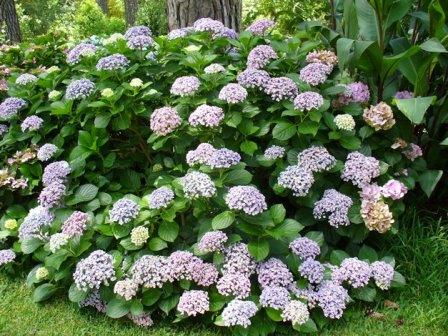
Why Choose Hydrangea Plug Plants?
Hydrangeas are beloved for their long flowering season, big showy blooms, and ability to brighten shady corners of the garden. Starting with plug plants offers several advantages:
Hydrangea plug plants are one of the easiest and most cost‑effective ways to grow bold, colourful blooms in UK gardens. Fast‑rooting and reliable, plugs establish quickly and flower sooner than young potted plants. This guide covers planting, soil preparation, care tips, and seasonal tasks to help your hydrangeas thrive.
Benefits of Hydrangea Plugs
- Quick establishment: Strong root systems help plants settle in faster.
- Cost‑effective: Ideal for filling borders or planting in groups.
- Huge variety: Mophead, lacecap, and paniculata types available for every style of garden.
How to Plant Hydrangea Plug Plants (Step‑by‑Step)
1. Choose the Right Spot
Hydrangeas prefer partial shade—morning sun with afternoon shade is perfect.
2. Prepare the Soil
- Hydrangeas love moist, well‑drained soil.
- Enrich with garden compost or well‑rotted organic matter.
- Avoid extremely dry or waterlogged areas.
3. Water Before Planting
Hydrate the plug thoroughly so roots are fully moist before planting.
4. Plant at the Correct Depth
- Dig a small hole matching the plug size.
- Plant so the top of the plug is level with the soil surface.
- Firm gently and water well.
5. Mulch and Feed
- Add a light mulch of compost to retain moisture.
- Use a slow‑release fertiliser for steady growth through the season.
Seasonal Care Tips for Hydrangeas
Spring
- Feed with a balanced fertiliser such as Growmore.
- Lightly prune away dead or damaged stems only.
Summer
- Water deeply in hot weather — hydrangeas do not enjoy drying out.
- Deadhead faded blooms to encourage fresh flowers.
Autumn & Winter
- Add a thick mulch to insulate roots.
- Avoid heavy pruning — keep spent stems to protect new buds from frost.
Common Questions
Do hydrangeas need acidic soil?
Only if you want blue flowers — acidic soil helps maintain blue tones. Pink and red varieties prefer alkaline conditions.
How often should I water hydrangea plugs?
Keep soil consistently moist during the first growing season, then reduce watering as the plant matures.
Can hydrangeas grow in pots?
Yes — choose a large container with good drainage and water regularly during dry spells.


