
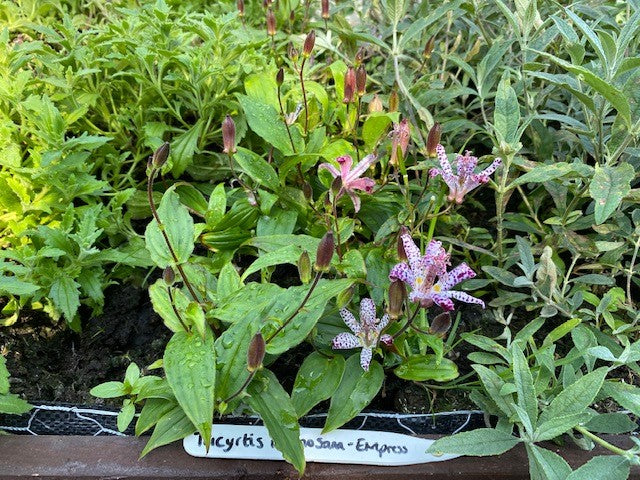
How to Grow Tricyrtis Plug Plants – Care Tips for Stunning Autumn Blooms
Tricyrtis, also known as toad lilies, are exotic shade‑loving perennials that steal the show in late summer and autumn with their orchid‑like, speckled flowers. Starting with plug plants makes growing these woodland gems simple and reliable. This guide covers everything you need to plant, care for, and enjoy Tricyrtis plug plants at their best.
What Are Tricyrtis Plug Plants?
Plug plants are young, rooted plants grown in compact cells for easy transplanting. Choosing Tricyrtis plug plants bypasses the slow, tricky process of growing them from seed, giving you healthy plants ready to establish quickly in the garden.
Choosing the Right Location
Tricyrtis love cool, shaded conditions and will thrive where many other flowering plants struggle.
Light
- Partial to full shade
- Avoid midday sunshine, which can scorch delicate foliage
Soil
- Moist but well‑drained
- Rich in organic matter
- Add compost, leaf mould, or well‑rotted bark chips
Perfect for woodland gardens, north‑facing borders, and damp sheltered spots.
Preparing the Soil
Before planting, dig in organic matter to improve moisture retention and nutrients. Tricyrtis dislike drought and benefit from soil that stays consistently damp—but not boggy.
How to Plant Tricyrtis Plug Plants
- Remove the plug carefully, keeping roots intact.
- Dig a hole slightly bigger than the root ball.
- Plant at the same depth as in the tray.
- Firm the soil gently around the roots.
- Water thoroughly.
Spacing
- Plant 30–45 cm apart
- Allows space for natural clump formation
Watering & Feeding
Watering
- Keep soil evenly moist, especially during dry spells
- Never allow soil to fully dry out
Feeding
- Apply a balanced liquid fertiliser every 4–6 weeks during spring and summer
- Encourages lush growth and abundant flowers
Mulching for Moisture & Protection
Mulch around the base with:
- Leaf mould
- Compost
- Fine bark
Mulching helps retain moisture, suppress weeds, and protect the crowns through winter.
Supporting Growth & Flowering
Tricyrtis produce elegant arching stems topped with speckled, orchid-like blooms in late summer and autumn. In windy or exposed positions, stake taller varieties to prevent damage.
Winter Care
- After the first frost, cut back spent stems
- Apply a layer of mulch to protect crowns
- Plants die back naturally and re-emerge in spring
Tricyrtis are generally hardy but benefit from winter insulation in colder regions.
Common Problems & Solutions
Slugs & Snails
- A major threat to young plants
- Use wool pellets, beer traps, copper tape, or organic pellets
Drought Stress
- Water regularly; dry soil leads to leaf scorch and reduced flowering
Poor Flowering
- Check light levels: they prefer shade
- Excessive sun or very dark shade can limit blooms
Why Grow Tricyrtis?
- Striking exotic flowers
- Thrive in difficult shady conditions
- Long flowering season (late summer to autumn)
- Easy to grow from plug plants
- Add unusual beauty to woodland and shade gardens
Tricyrtis are truly unique — a plant that stops people in their tracks.
Conclusion
Growing Tricyrtis plug plants is an easy and rewarding way to introduce these exotic, shade‑loving perennials into your garden. With moisture‑retentive soil, regular watering, and a sheltered spot, they will deliver spectacular late-season blooms year after year.
FAQs – Tricyrtis Plug Plants
1. Do Tricyrtis prefer sun or shade?
They thrive in partial to full shade. Midday sun should be avoided.
2. How often should I water Tricyrtis?
Keep the soil consistently moist but not soggy, especially during dry spells.
3. Are Tricyrtis hardy in the UK?
Yes, they are hardy perennials but benefit from winter mulch for added protection.
4. Can Tricyrtis grow in pots?
Yes. Use a deep pot with moisture‑retentive compost and keep it evenly watered.
5. Why are slugs damaging my plants?
Young Tricyrtis foliage is very attractive to slugs—use organic barriers or traps.
6. When do Tricyrtis flower?
From late summer into autumn, offering colour when most perennials are fading.
7. How far apart should I plant plug plants?
Space them 30–45 cm apart to form natural clumps.
8. Do Tricyrtis need feeding?
Yes. A balanced liquid feed every 4–6 weeks boosts growth and flowering.


