
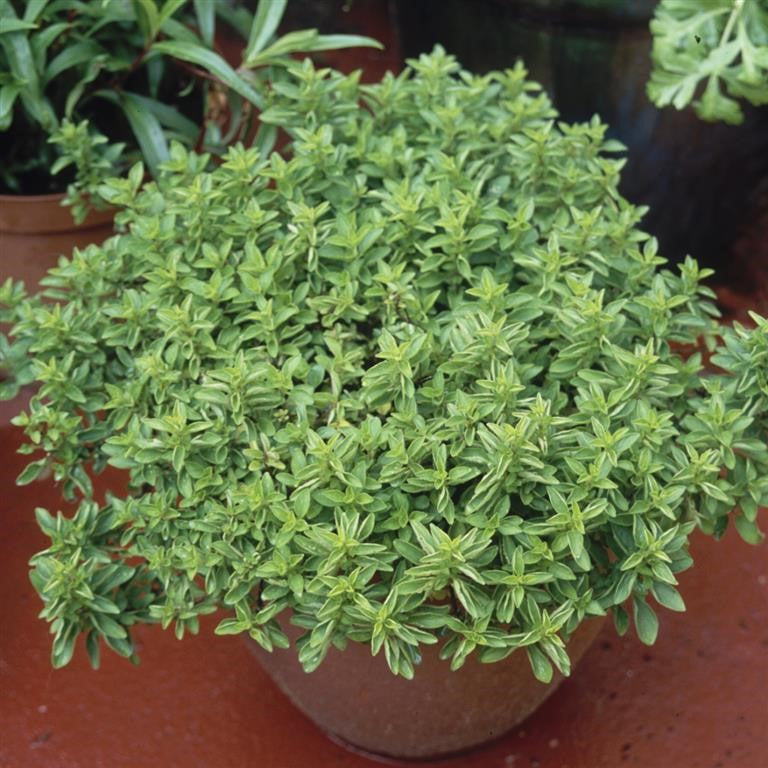
🌿 Marjoram Plug Plants – A Complete Guide
Marjoram plug plants are quick‑growing, aromatic herbs perfect for pots, borders, and kitchen gardens. Learn how to plant, grow, harvest, and use this versatile, sweet‑flavoured herb at home with ease.
Marjoram is one of the most underrated yet delicious kitchen herbs. Soft, fragrant, and sweetly aromatic, it lifts Mediterranean dishes, soups, stews, and salads with a beautifully gentle flavour. Growing marjoram from plug plants is the easiest way to enjoy a fresh, reliable, and fast‑establishing herb in your garden or patio pots. Here’s everything you need to know.
🌱 What Are Marjoram Plug Plants?
Plug plants are young, well‑rooted starter plants grown in compact plugs of compost. They offer:
- Quick establishment
- Faster growth than seed sowing
- Easy handling for beginners
- Reliable flavour and productivity
Marjoram plug plants thrive in pots, raised beds, herb planters, and borders.
⭐ Why Choose Marjoram Plug Plants?
- Easy to Grow: Perfect for busy or beginner gardeners
- Compact & Versatile: Ideal for pots, herb beds, or windowsill containers
- Culinary Favourite: Sweet, aromatic flavour perfect for Mediterranean and European cuisine
🌿 Popular Types of Marjoram
Sweet Marjoram (Origanum majorana)
Classic mild and slightly sweet flavour — ideal for pasta sauces, chicken dishes, and vegetables.
Pot Marjoram (Origanum onites)
Stronger and more robust, excellent for seasoning meats, stews, and roasted vegetables.
Wild Marjoram (Origanum vulgare) / Oregano
More pungent and savoury — perfect for pizza, tomato dishes, and Italian cooking.
🌱 How to Plant Marjoram Plug Plants
Choosing the Right Soil
Marjoram prefers:
- Well‑drained soil
- Sandy or loamy mixes
- Soil enriched with organic matter
Potting & Spacing
- Plant plugs into pots or garden beds
- Space plants 20–30 cm apart
- Ensure good airflow for healthy growth
Watering Tips
Marjoram enjoys slightly dry conditions:
- Water regularly but lightly
- Allow soil to dry a little between waterings
- Avoid waterlogging, which causes yellowing
🌞 Care & Maintenance
Light Requirements
Full sun = best flavour, compact growth, and strong aroma.
Feeding
Use a balanced liquid fertiliser every few weeks during active growth.
Pruning
- Pinch out tips to encourage bushiness
- Prevent early flowering for better leaf production
- Trim regularly to keep plants neat
🚫 Common Problems & Solutions
Yellowing Leaves
Usually from overwatering — improve drainage and reduce watering frequency.
Leggy Growth
Increase sunlight and trim regularly.
Aphids
Use organic sprays or wash off with soapy water.
✂️ Harvesting & Using Marjoram
Harvesting
- Pick fresh leaves once plants are well‑established
- Best harvested in the morning for maximum aroma
- Frequent picking encourages new growth
Uses in the Kitchen
Fresh marjoram complements:
- Soups
- Salads
- Stuffings
- Tomato dishes
- Stews
- Chicken, lamb, or fish recipes
You can also dry or freeze leaves for long‑term storage.
🛒 Where to Buy Marjoram Plug Plants
Choose reputable nurseries or online herb suppliers. Look for:
- Strong root systems
- Healthy green leaves
- No signs of wilting or yellowing
Mixed herb packs are fantastic for small kitchens or balcony gardens.
🌿 Final Thoughts
Marjoram plug plants are the ideal choice for anyone wanting fresh, fragrant herbs without fuss. Quick to grow, delicious in countless dishes, and beautifully scented, marjoram brings both flavour and charm to any home garden or kitchen windowsill. Whether you prefer sweet, pot, or wild marjoram, this versatile herb is sure to become a favourite.
❓ FAQs
Is marjoram easy to grow from plug plants?
Yes — they establish quickly and require minimal care.
Does marjoram need full sun?
Full sun is ideal for strong flavour and compact growth.
How often should I water marjoram?
Let the soil dry slightly between waterings; avoid waterlogging.
Can marjoram grow indoors?
Yes — a bright windowsill works perfectly.
Is marjoram the same as oregano?
Wild marjoram is oregano, but sweet and pot marjoram are milder varieties.


