
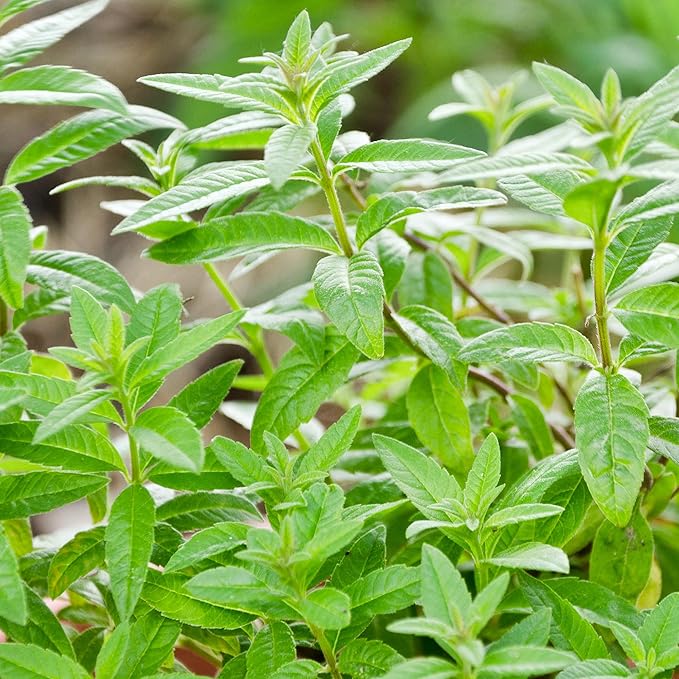
🌿 Mint (Mentha): Benefits, Uses, and Everything You Need to Know
Mint (Mentha) is a fragrant, refreshing herb prized for its culinary magic, soothing health benefits, and easy-growing nature. Learn what mint is, its top benefits, how to use it, and how to grow it successfully at home.
Mint is one of the most well‑loved herbs in the world — uplifting, aromatic, endlessly versatile, and wonderfully easy to grow. Whether stirred into a summer drink, steeped into tea, used in skincare, or added to savoury dishes, mint adds freshness wherever it appears. Let’s look at what makes Mentha such a valuable and essential plant for the home and garden.
🌱 What Is Mint (Mentha)?
Mint belongs to the Mentha genus — a group of highly aromatic herbs known for their cool, invigorating flavour. Popular species include:
- Peppermint (Mentha × piperita)
- Spearmint (Mentha spicata)
- Apple mint, ginger mint, chocolate mint, and more
All share the classic mint fragrance and vigorous growing habit.
🌿 Are Mentha and Mint the Same?
Yes!
Mentha is simply the botanical genus that contains all mint plants. When you say “mint,” you’re referring to any species within the Mentha family.
💚 What Are the Top 10 Benefits of Mint?
1. Aids Digestion
Helps relieve indigestion, gas, and bloating.
2. Freshens Breath
A natural, fast‑acting breath freshener.
3. Supports Oral Health
Antibacterial properties help maintain gum and tooth health.
4. Relieves Headaches
Topical mint or menthol has a cooling, pain‑relieving effect.
5. Boosts Immunity
Rich in antioxidants, vitamins, and antibacterial compounds.
6. Reduces Stress
Mint aroma is calming and used widely in relaxation therapy.
7. Improves Skin Health
Anti‑inflammatory qualities help soothe irritation and redness.
8. Supports Weight Management
May help digestion and boost metabolic processes.
9. Relieves Cold Symptoms
Menthol helps clear nasal passages and ease congestion.
10. Enhances Hydration
Infusing water with mint encourages increased fluid intake.
🍃 What Is Mint Used For?
Culinary Uses
- Herbal teas
- Salads, sauces, and chutneys
- Desserts and chocolates
- Cocktails (hello mojitos!)
- Lamb, peas, and other savoury dishes
Medicinal Uses
- Teas for digestion
- Balm or oils for headaches
- Herbal remedies for colds and coughs
- Stress-relief blends
Cosmetic Uses
- Skincare for irritation and cooling
- Mint‑infused shampoos
- Soaps, balms & refreshing sprays
Aromatherapy
Used in diffusers to:
- Promote mental clarity
- Ease stress
- Energise the mind
🌿 How to Grow Mint Successfully
Mint is famously easy to grow — sometimes too easy! Here’s how to keep it thriving without taking over:
Soil
Plant in well‑drained, moisture‑retentive soil.
Light
Partial sun or light shade is ideal. Mint tolerates sun but prefers not to dry out.
Watering
Keep soil moist but never waterlogged.
Containment
Mint spreads aggressively by underground runners —
✔ grow it in containers
✔ or sink pots into the soil to control spreading.
🌱 Final Thoughts
Mint (Mentha) is a powerhouse herb packed with flavour, fragrance, wellness benefits, and incredible versatility. Easy to grow and endlessly useful in the kitchen, medicine cabinet, and home, mint is a must‑have plant for all gardeners — from beginners to seasoned growers.
❓ FAQs
Is mint easy to grow?
Yes — one of the easiest herbs, especially in pots.
Does mint need full sun?
Mint grows best in partial sunlight but tolerates full sun if watered well.
Does mint spread?
Yes — it spreads rapidly, so containers are recommended.
Can you grow mint indoors?
Absolutely — a sunny windowsill works beautifully.
Which mint tastes best?
Spearmint for cooking, peppermint for teas, and flavoured varieties for fun.


