Musa sikkimensis ‘Bengal Tiger’: The Red‑Striped Hardy Banana for UK Tropical Gardens
Musa sikkimensis ‘Bengal Tiger’ is one of the most striking bananas you can grow in the UK, with dramatic red‑striped leaves and impressive hardiness. Perfect for exotic borders or jungle gardens, it thrives in warmth, moisture, and rich soil. Here's how to plant, grow, and protect this vibrant, fast‑growing showstopper.
What Makes Musa ‘Bengal Tiger’ Special?
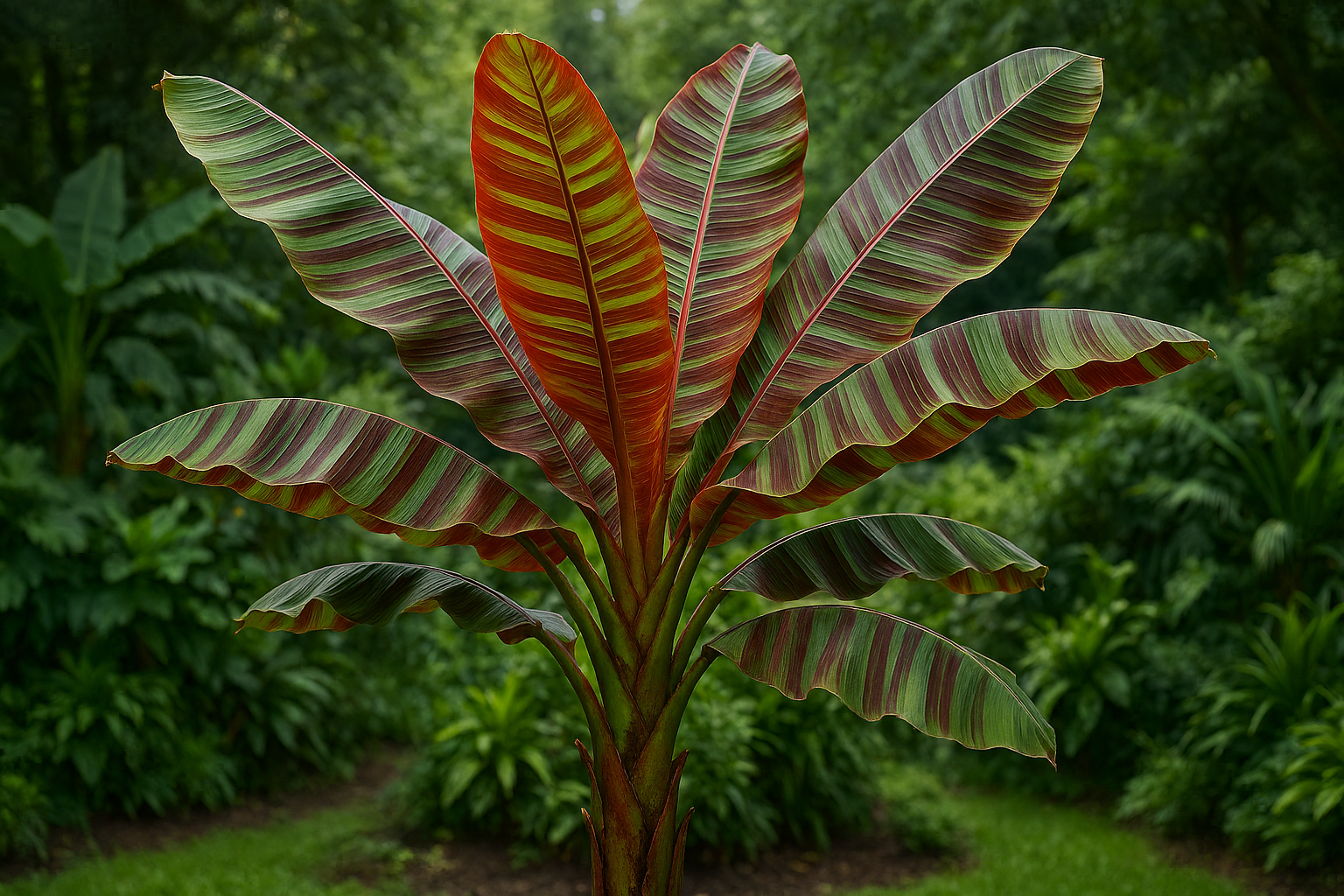
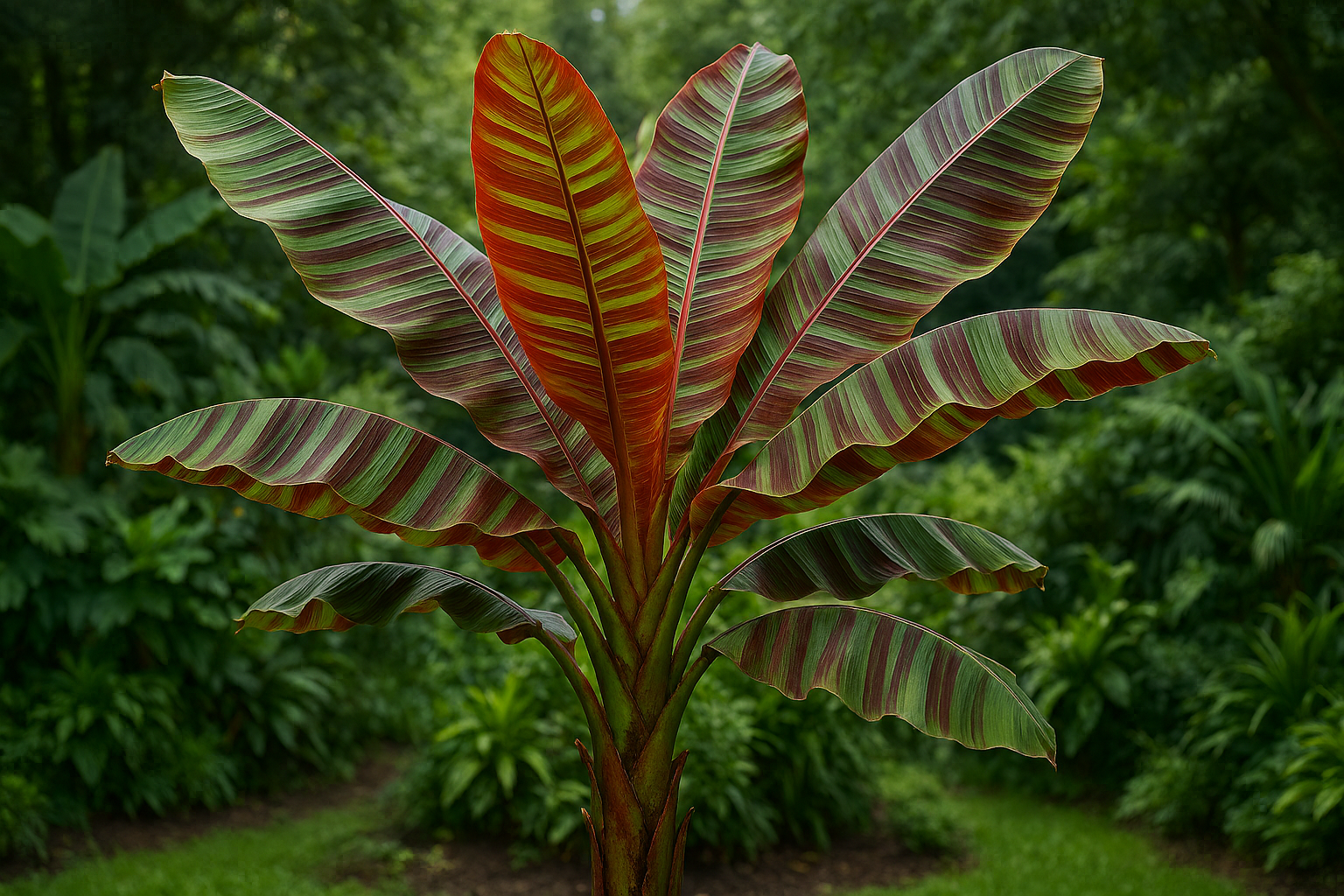
This variety of Musa sikkimensis is famous for its deep green leaves striped with burgundy-red, giving it a bold, jungle‑like presence. Many buyers in the UK seek out plug‑plant sizes.
It grows from a strong pseudostem and can reach 3–4 metres in favourable conditions. As with other hardy bananas, the fruit is not edible — the main appeal is ornamental drama.
Why It Thrives in UK Gardens
Striking Foliage Colour
The red striping intensifies in good light, making it far more colourful than standard hardy bananas.
Hardy for a Tropical-Looking Plant
While slightly less hardy than Musa basjoo, it still copes well in much of the UK with winter protection.
Fast, Vigorous Growth
Like many musa species, it rockets upward with warmth, feed, and water.
Where to Plant Musa ‘Bengal Tiger’
- Sun: Full sun for best colour. Part shade tolerated.
- Shelter: Essential — wind can shred the beautiful striped leaves.
- Soil: Deep, fertile, moisture‑retentive soil with lots of organic matter.
- Spacing: Give at least 1m around the plant to showcase the foliage.
Internal link suggestion: link to Soil & Site Conditions and Exotic Plants UK Gardens.
How to Plant
- Dig a wide, enriched hole with compost or well‑rotted manure.
- Plant so the crown sits at soil level.
- Water heavily and mulch well.
- Feed during spring and summer for maximum foliage impact.
Plug‑plant customers (as seen across your multiple Musa sikkimensis ‘Bengal Tiger’ plug plant sales such as and) should pot them up first, grow on until strong, then plant out once frost risk is low.
Care, Watering & Feeding
- Water: Keep soil moist during warm months.
- Feed: High‑nitrogen feed every 2–3 weeks in peak season.
- Mulch: Helps retain moisture and build soil structure.
Winter Protection
‘Bengal Tiger’ can tolerate light frosts but needs protection to keep the pseudostem intact.
Winterising Steps
- Cut leaves back to the stem in late autumn.
- Wrap the pseudostem in fleece or straw.
- Mulch the base heavily.
- If the stem dies back, don’t panic — new growth will emerge from the rootstock.
Design Ideas
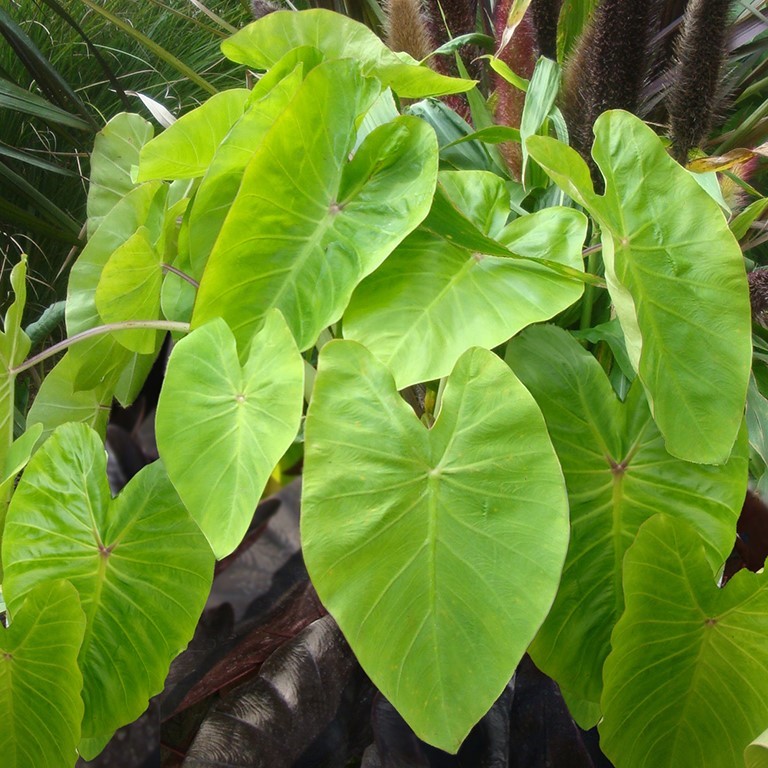
- Jungle borders with colocasia, cannas, ricinus.
- Bold architectural centrepieces.
- Pair with dark‑leafed plants to accentuate the striping.
Common Problems
- Leaf shredding: Caused by wind — choose sheltered spots.
- Fading colour: Increase sunlight exposure.
- Slow growth: Boost feed and watering.
- Frost damage: Cut back and allow regrowth in spring.
FAQs
Is Musa ‘Bengal Tiger’ hardy?
Hardy with protection; rootstock typically survives UK winters. Stem survival varies by region.
How big does it grow?
Usually 3–4 metres when mature.
Does it pup?
Yes — it forms clumps, giving you more plants over time.
When can I plant plugs outside?
After the last frost, once they’re established in pots.
Call to Action
Musa ‘Bengal Tiger’ is one of the most eye‑catching exotic plants you can offer — and your consistent plug‑plant sales prove demand is growing fast. Let’s turn that demand into evergreen traffic with this blog post and optimise the corresponding product listings too.