
25% Discount Automatically Applied on orders of 2 or more Plant packs! Free Postage!!

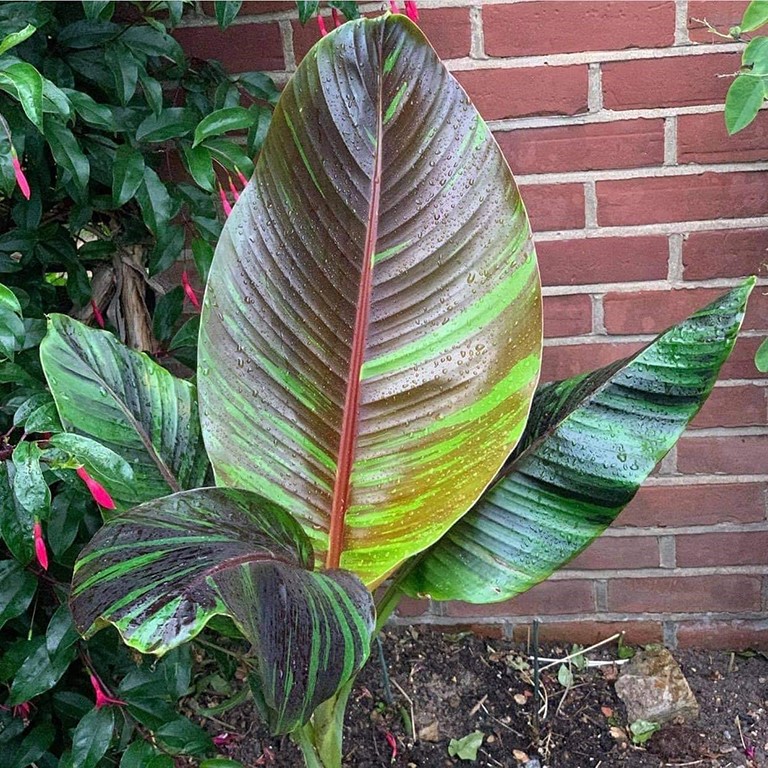
🌿 Musa sikkimensis ‘Bengal Tiger’: How to Grow It Successfully in Your Garden

12 May, 2025 47
🌿 Musa sikkimensis ‘Bengal Tiger’: How to Grow It Successfully in Your Garden

Introduction 

Growing Musa sikkimensis ‘Bengal Tiger’ brings a bold, exotic feel to any garden, rewarding you with dramatic foliage and a lush, tropical atmosphere. This eye‑catching banana is surprisingly manageable with the right care. Here’s everything you need to know to help it thrive — from climate and soil to watering, feeding and winter protection.

🌱 1. Climate & Location

Hardiness

‘Bengal Tiger’ is not fully hardy, so it suits milder regions best. In cold areas, provide winter protection or grow it in a large pot that can be moved.

Sunlight

Choose a bright spot with:

  • Full sun to partial shade
  • Minimum 6 hours of sunlight daily
    This ensures strong growth and vibrant leaf striping.

🌱 2. Soil Requirements

Soil Type

Use rich, loamy, well‑draining soil. Improve drainage with compost or horticultural grit.

pH Levels

A slightly acidic to neutral pH (5.5–7.0) gives the best results.


💧 3. Watering

Musa enjoys moisture:

  • Keep soil consistently moist, but avoid waterlogging
  • Increase watering during warm spells
  • Reduce slightly in cooler months

Young plants dry out faster, so check more frequently.


🌿 4. Feeding & Fertilisation

Feed every 4–6 weeks during the growing season (spring–early autumn) with:

  • A balanced feed, or
  • A high‑nitrogen fertiliser if you want faster leaf growth

Stop feeding in late autumn to allow the plant to rest.


❄️ 5. Winter Protection

Because it’s not fully hardy:

  • Mulch heavily around the base
  • Wrap the stem with horticultural fleece
  • If potted, move indoors or into a greenhouse / polytunnel
    This protects roots from frost and prevents crown damage.

🐛 6. Pest & Disease Management

Common pests include:

  • Aphids
  • Red spider mites

If needed, use:

  • Organic insecticidal soap
  • Neem‑based treatments
  • Good airflow to reduce mite pressure

✂️ 7. Pruning

  • Cut off dead or damaged leaves
  • Remove any torn foliage to tidy the plant
  • Do not remove healthy stems as they support next season’s growth

🍌 8. Harvesting (If It Fruits)

Although ‘Bengal Tiger’ is mainly ornamental:

  • Wait for bananas to become full, plump and lightly yellow before harvesting
  • In the UK, fruiting may be rare or small — enjoy it as a bonus!

🌴 Related Reading

Link via Magefan “Related Posts”:

  • Growing Banana Plants in the UK
  • How to Create a Tropical Garden
  • Protecting Tender Plants in Winter

🛒 Related Products

  • Musa sikkimensis ‘Bengal Tiger’ (if stocked)
  • Tropical & Exotic Plant Collection
  • Large outdoor pots & compost

FAQ (schema‑ready)

Is Musa sikkimensis ‘Bengal Tiger’ hardy in the UK?

It is partially hardy in mild areas but needs winter protection in colder regions.

Does it grow well in pots?

Yes — use a large, deep pot with rich compost and good drainage.

How fast does it grow?

In warm conditions, Musa can grow very quickly, producing large leaves in weeks.

Can it fruit outdoors in the UK?

It can, but it’s uncommon and usually ornamental rather than edible.