.png)
Plant Plugs for Sale: Why Plug Plants Are a Smart Choice for Every Gardener
Growing plants from seed can be rewarding, but it also takes time, patience, and the right conditions. That's why many gardeners choose plug plants. These young, professionally grown plants give you a head start, helping you achieve faster results with less effort.
Whether you're filling borders, planting containers, growing vegetables, or creating colourful hanging baskets, plug plants offer an affordable and reliable way to grow a thriving garden.
What Are Plug Plants?
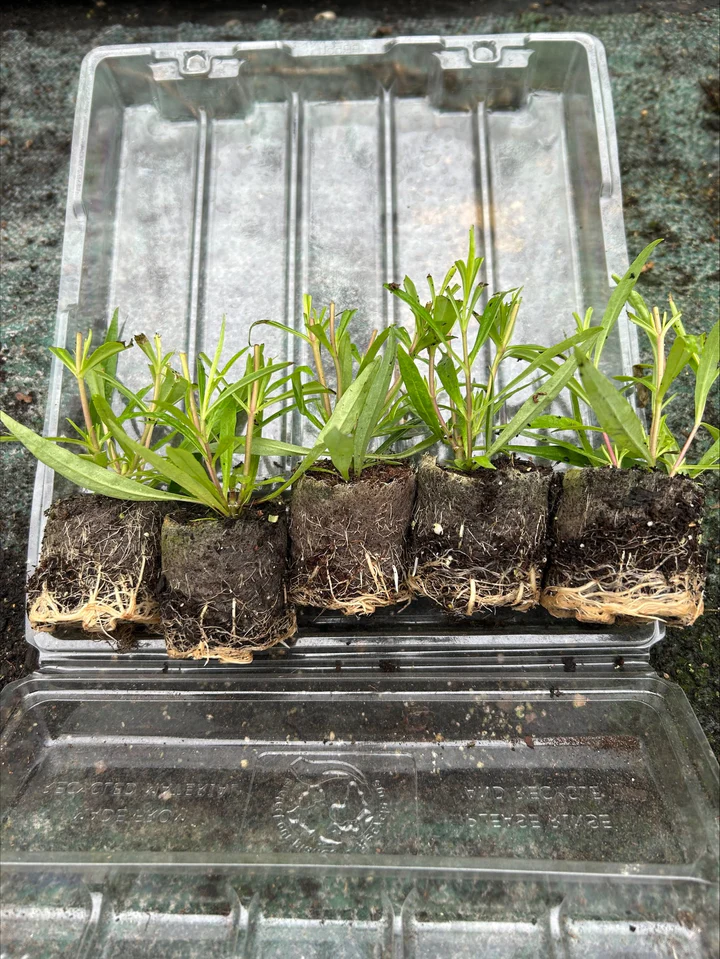
Plug plants are young seedlings that have been grown in individual cells until they develop a healthy root system. They arrive ready to pot on or plant out, removing the most challenging stage of growing from seed.
Benefits of plug plants include:
✅ Faster establishment
✅ Strong root development
✅ Less risk of germination failure
✅ Easy transplanting
✅ Ideal for beginners and experienced gardeners alike
From perennials and bedding plants to herbs and vegetables, plug plants provide a convenient way to fill your garden with healthy plants.
Are Plug Plants Worth Buying?
For most gardeners, the answer is yes.
Cost Effective Growing
Plug plants are usually much cheaper than purchasing fully grown plants, making them ideal for larger planting schemes, mixed borders, and seasonal displays.
Greater Variety
Many varieties are only available as seed or plug plants, allowing gardeners access to a much wider selection of colours, flower forms, and plant types.
Save Time
Because the plants are already established, you can skip the germination stage and enjoy quicker growth and earlier flowering.
Higher Success Rates
Professionally grown plugs often establish more reliably than home-sown seedlings, resulting in healthier plants and improved survival rates.
The Best Tool for Planting Plug Plants
Using the right tool makes planting easier and helps minimise root disturbance.
Hand Trowel
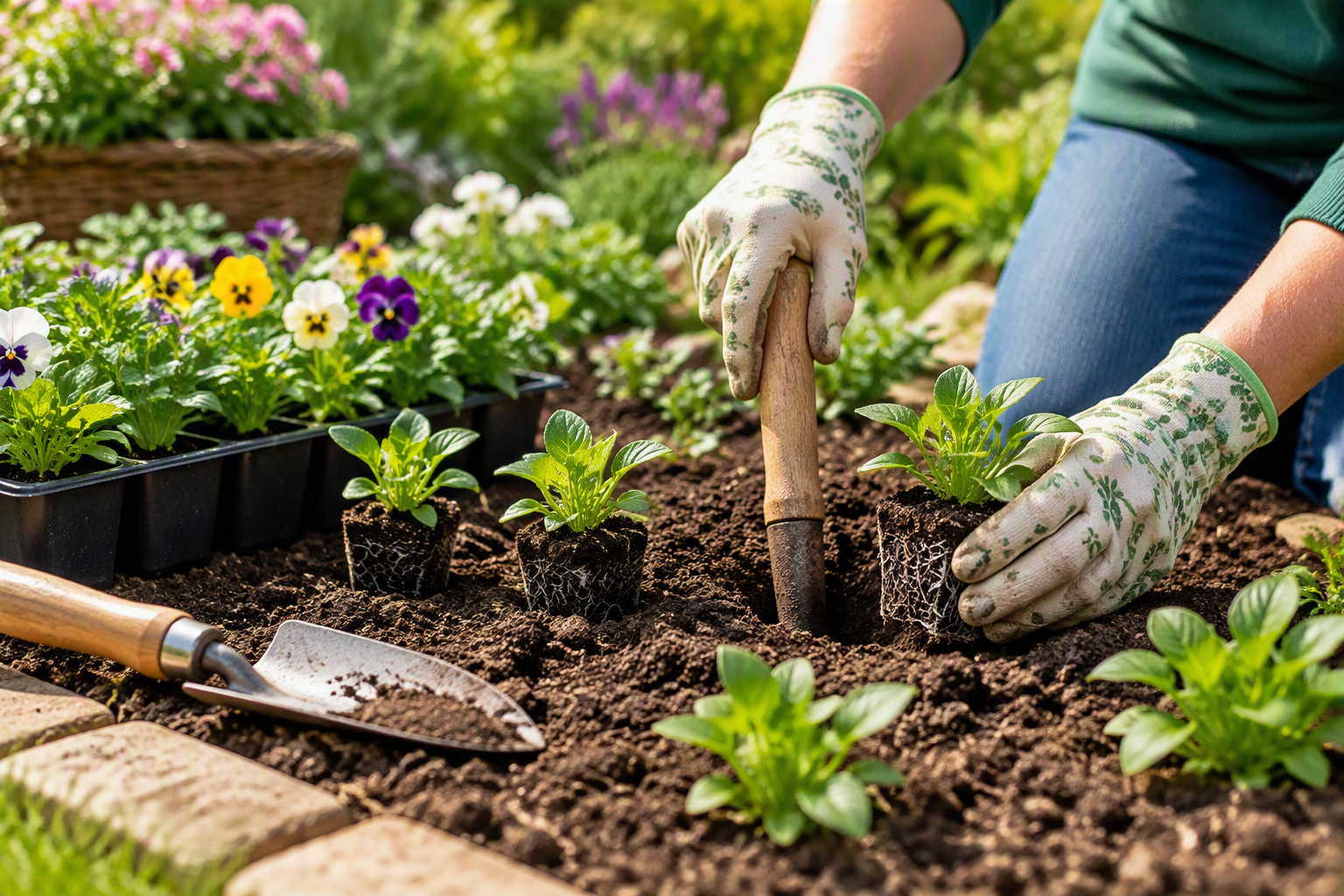
A small hand trowel is perfect for planting plug plants into garden borders, containers, and raised beds.
Plug Plant Dibber
A dibber creates neat planting holes at the correct depth and is particularly useful when planting large numbers of plugs. It helps speed up planting and ensures consistent spacing.
Garden Auger
For larger planting projects, a garden auger attached to a cordless drill can make quick work of creating planting holes, especially in heavier soils.
Top Tip: Always water plug plants before planting. Moist rootballs settle into the soil more easily and experience less transplant shock.
How to Plant Plug Plants
1. Prepare Your Soil
Use a fertile, free-draining compost or garden soil. Mixing in organic matter or compost will help young plants establish quickly.
2. Create a Planting Hole
Make a hole slightly larger than the plug rootball using a trowel, dibber, or your finger for smaller plugs.
3. Position the Plug
Place the plug into the hole at the same depth it was growing previously. Avoid burying the stem.
4. Firm Gently
Lightly press the soil around the plug to remove air pockets while avoiding excessive compaction.
5. Water Thoroughly
Water immediately after planting to help settle the soil around the roots.
Caring for Plug Plants After Planting
Keep Them Watered
Young plug plants can dry out quickly, especially during warm weather. Check moisture levels regularly and water when needed.
Feed for Strong Growth
After a few weeks, apply a balanced liquid fertiliser to encourage healthy development and abundant flowering.
Protect from Frost
If planting early in the season, protect young plants using fleece, cloches, or a cold frame until the risk of frost has passed.
Provide the Right Light Levels
Most flowering plug plants perform best in full sun, although some varieties prefer partial shade. Always check the plant's growing requirements.
Where to Buy Quality Plug Plants
When purchasing plug plants, look for:
✅ Strong, healthy roots
✅ Green, vigorous growth
✅ Pest and disease-free foliage
✅ Well-watered plants
✅ Secure packaging during delivery
Choosing quality plugs gives your plants the best possible start and improves long-term performance in the garden.
Final Thoughts
Plug plants are one of the easiest and most cost-effective ways to create a beautiful garden. They combine the affordability of seeds with the convenience of established plants, allowing gardeners to achieve professional-looking results with less effort.
Whether you're growing colourful summer displays, productive vegetable crops, or long-lasting perennial borders, plug plants offer a simple route to success.
Frequently Asked Questions
Are plug plants better than seeds?
Plug plants are generally easier and quicker to grow than seeds because they eliminate the germination stage and provide a stronger starting point.
When should I plant plug plants?
Most plug plants can be planted in spring and early summer once the danger of frost has passed.
How do I know if a plug plant is ready for planting?
A healthy plug should hold together when removed from its cell and have a well-developed root system without being rootbound.
Do plug plants need repotting first?
Some larger plugs can be planted directly outside, while smaller plugs often benefit from being potted on and grown for a few weeks before planting out.


.png)
.png)