
Plug Plants Northern Ireland – Why They Work So Well
Plug plants are young plants grown in individual cells with a healthy root system already established, giving gardeners a strong starting point between seeds and mature plants.
For Northern Ireland growers, this matters. The climate brings:
- Cooler spring temperatures
- Wind exposure, especially coastal
- Regular rainfall and heavy soil conditions
Plug plants establish quickly because the root system is already formed, meaning better resilience and faster growth once planted out.
If you’re looking for the basics, see:
👉 What Are Plug Plants? A Beginner Guide
Why Plug Plants Are Ideal for Northern Ireland Gardens
Northern Ireland’s conditions can be unpredictable, but plug plants offer a few clear advantages:
✔ Faster establishment
They bypass the germination stage, so growth begins immediately after planting.
✔ More reliable results
Reduced risk compared to seeds, especially in cooler or wetter climates.
✔ Cost-effective planting
Ideal for filling borders, beds, and large areas without the cost of mature plants.
✔ Better for challenging weather
Strong roots mean they settle quickly, even in changeable UK/Ireland conditions.
Northern Ireland Growing Conditions (What to Expect)
From Dartana-based guidance, plug plants are particularly well suited to Northern Ireland because of the climate characteristics:
- Wind exposure → shelter young plants initially
- Late frosts → protect into April/May
- High rainfall → ensure free-draining compost
- Coastal influence → choose tougher plant varieties [wildflower.co.uk]
👉 Full care guide here:
Plug Plants 101 for Northern Ireland
How to Grow Plug Plants Successfully (Simple Method)
1. On Arrival
- Unpack immediately
- Lightly water if dry
- Leave 24 hours in a bright, frost-free space
2. Pot On
- Use free-draining compost
- Move into individual growing plugs/cells
- Avoid overwatering – roots need air
3. Grow On
- Keep in sheltered conditions
- Protect from strong wind
- Gradually increase exposure
4. Harden Off
- 7–10 days acclimatisation outdoors
- Avoid frost and harsh weather
5. Plant Out
- After frost risk passes
- Ensure good drainage in beds and borders
This simple process aligns with standard plug plant handling across UK growing conditions.
Best Types of Plug Plants for Northern Ireland
Based on Dartana guides and UK growing performance, reliable choices include:
Perennials
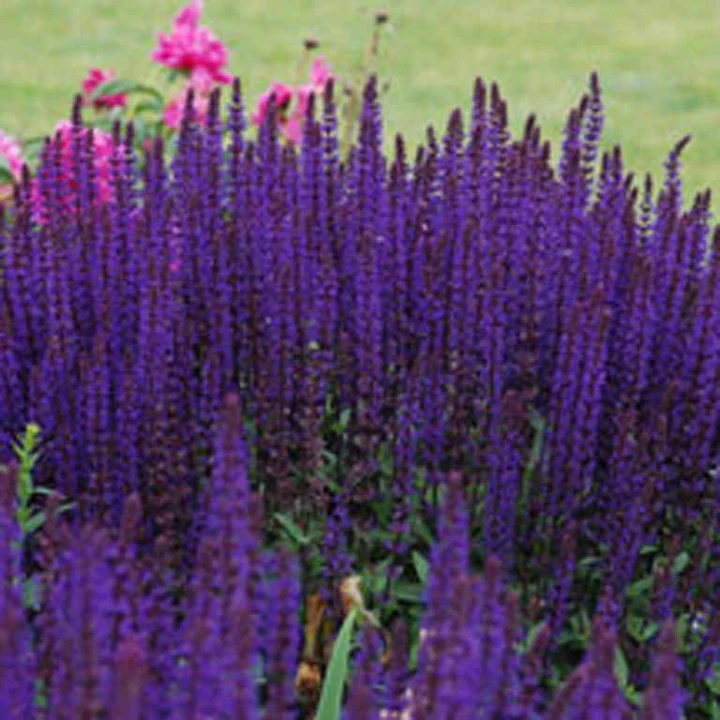
- Salvias
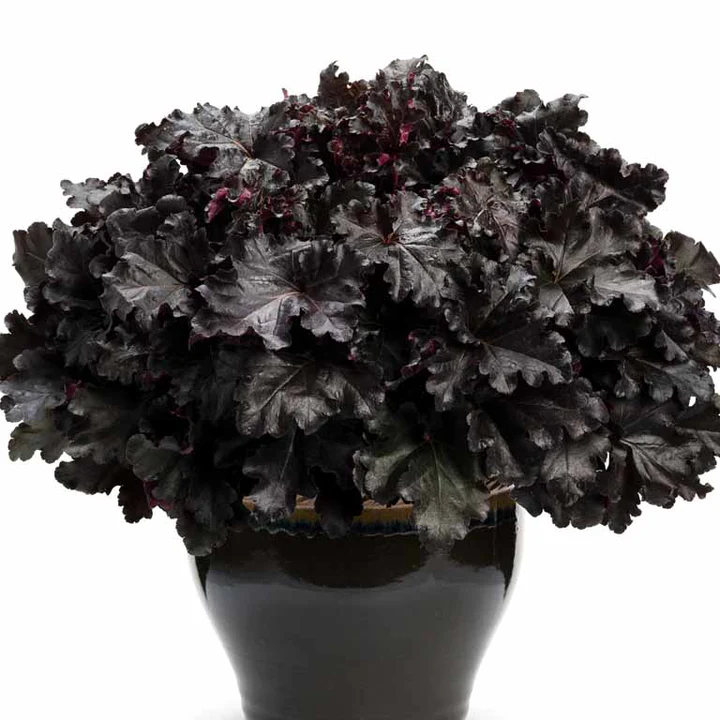
- Heuchera
- Agapanthus
Coastal & Wind-Resistant
- Euphorbia
- Lavender
- Verbena
Borders & Colour
- Coreopsis
- Echinacea
- Delphinium
Browse Plug Plants & Collections
Seasonal Planting Guide (Northern Ireland)
Typical timeline:
- Spring (Feb–May): Main plug planting period
- Summer: Gap filling and container planting
- Autumn: Hardy perennials establishment
- Winter: Grow under protection only
Correct timing improves establishment and long-term performance.
Common Mistakes to Avoid
- Letting plugs dry out on arrival
- Overwatering (causes root rot)
- Planting out too early (frost damage)
- Poor drainage in heavy soil
- Skipping hardening off
Conclusion
Plug plants give Northern Ireland gardeners a practical, reliable way to grow successfully. With strong roots, faster establishment, and lower risk than seed growing, they are ideal for everything from borders to containers.
Handled properly, plug plants will establish quickly and deliver consistent results, even in challenging coastal or cooler conditions.


.png)
.png)
.png)


