Primula capitata ssp. mooreana – A Cool‑Climate Jewel for Shady Gardens
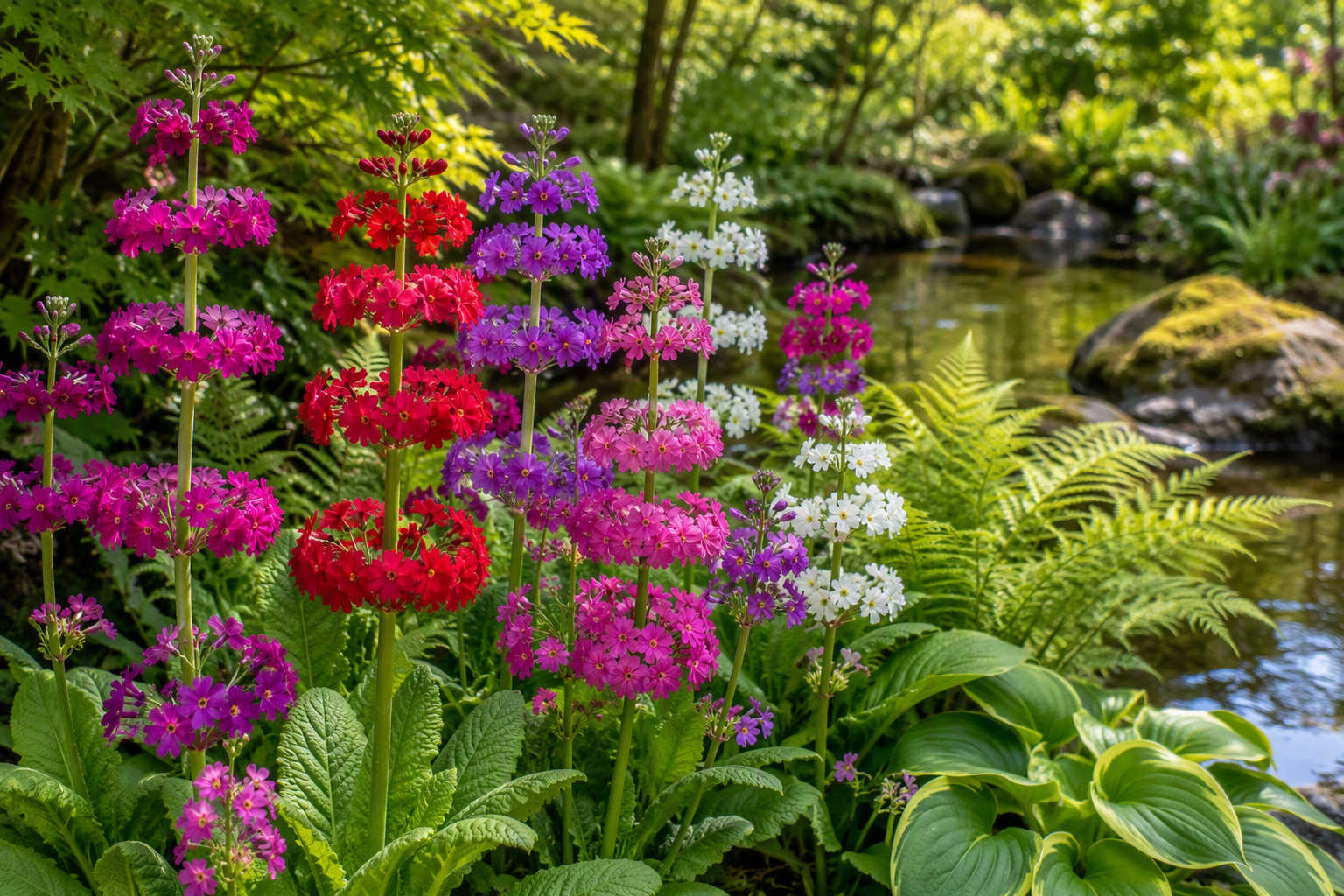
Primula capitata ssp. mooreana is a striking Himalayan primrose loved for its deep violet, powder‑dusted flower heads and neat rosettes of foliage. Ideal for shadier UK gardens, damp borders, and woodland edges, it offers an exotic look with surprisingly hardy performance. Here’s how to grow this elegant, cool‑loving perennial successfully.
What Makes Primula capitata ssp. mooreana Special?
Native to the eastern Himalayas, Tibet and southwestern China, this subspecies naturally thrives in cool, moist, subalpine environments.
It forms tight rosettes of semi‑evergreen leaves, often beautifully coated with silvery farina on stems and undersides, giving the plant a frosted, ethereal appearance.
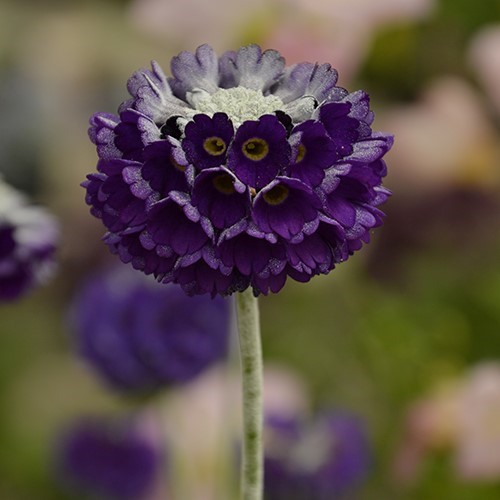
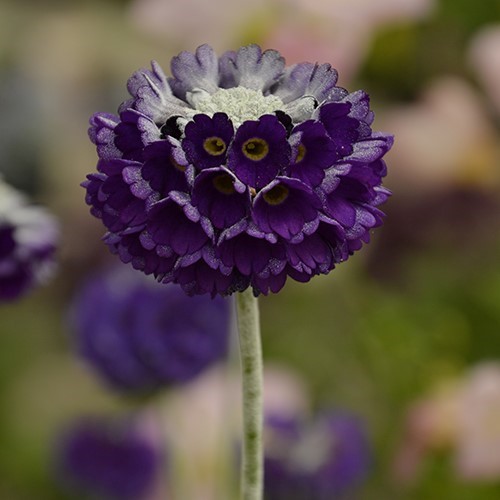
Its signature feature is the globe‑shaped, deep violet flower heads held on upright, silvered stems — a drumstick‑style bloom that stands out in spring through summer.
Flowering Time & Seasonal Interest
Depending on conditions:
- Spring to early summer flowering in cooler regions
- Sometimes late summer flowering in milder climates
The blooms appear as dense, dark‑purple globes with a powdery silver dusting — a standout contrast in shady borders.
Ideal Growing Conditions
Light
This Primula enjoys part shade to bright shade, and even tolerates mostly sun if soil remains consistently moist. Ideal for UK gardens with cool, humid conditions.
Soil
It prefers:
- Rich, moist but well‑drained soil
- Humus‑rich conditions (woodland‑style soils)
- Neutral to acidic pH
Good drainage is essential — moist, never waterlogged.
Watering
Keep soil evenly moist during active growth. It thrives best in cool, damp environments similar to its Himalayan origins.
Hardiness
H5 hardy in the UK and suitable for most regions, tolerating winter cold down to at least –15°C.
Where It Fits in the Garden
Primula capitata ssp. mooreana excels in:
- Woodland gardens
- Shady rock gardens
- Damp borders
- Streamside or pondside planting
- Containers in cooler, shaded spots
Its neat rosettes and striking late-spring colour make it perfect for adding structure and brightness to dimmer corners.
How to Plant & Care for It
Planting
- Space rosettes 25–30 cm apart
- Choose a cool, sheltered spot
- Dig in compost or leaf mould to improve moisture retention
Aftercare
- Keep moist throughout the season
- Mulch yearly with leaf mould or compost
- Remove spent blooms to maintain vigour
Propagation
Best propagated by division in autumn or after flowering.
Pests & Diseases
Potential issues include:
- Aphids
- Vine weevil
- Slugs and snails
- Leaf and bud eelworms
- Primula leaf spot & grey mould (in overly wet conditions)
- Planting in airy, well‑drained soil reduces risk of fungal troubles.
Why Gardeners Love It
- Long blooming window
- Unique drumstick violet blooms
- Excellent in cool, damp UK shade
- Compact, architectural rosettes
- Perfect for collectors or anyone wanting a standout spring perennial
This primrose provides a Himalayan exotic look without Himalayan difficulty.


.png)