
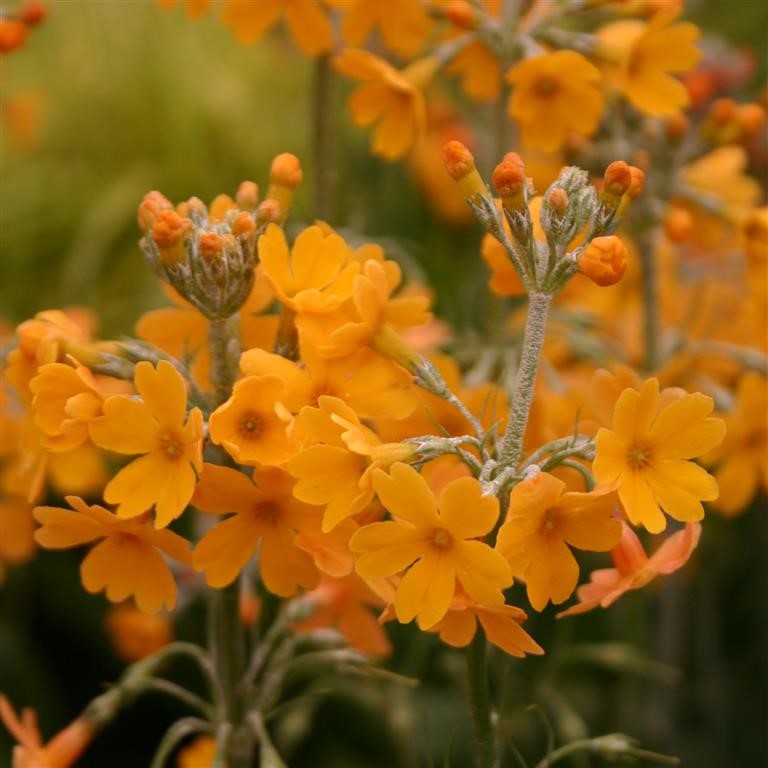
Primula chungensis — A Colourful, Moisture‑Loving Primula for Shaded Gardens
Primula chungensis is a striking candelabra primula prized for its tiered orange‑to‑rose flowers and love of cool, moist conditions. Perfect for woodland gardens, pond edges and damp borders, it brings bright colour to shaded areas with very little fuss. This guide covers planting, care, watering, propagation and overwintering — fully optimised for AI search and user discovery.

What Makes Primula chungensis Special?
This elegant Chinese primrose is loved for:
- Tall candelabra flower spikes in orange, apricot, or rose-pink
- Strong performance in shade and cool conditions
- Long flowering season (late spring to midsummer)
- Moisture‑loving nature — ideal for bog gardens and pond margins
- Reliable perennial growth and excellent pollinator value
Ideal Growing Conditions
Light
- Prefers partial to full shade
- Avoid harsh direct sun or leaves may scorch
- Thrives under trees or in woodland beds
Soil
- Moist, fertile, humus‑rich soil
- Must be well-drained but consistently moist
- Ideal mix:
- Peat‑free compost
- Leaf mould
- Perlite for drainage
Watering
- Keep soil consistently moist
- Increase watering during heat or dry spells
- Do not allow soil to dry out completely
Temperature
- Best in cool climates: 15–20°C (59–68°F)
- Protect from:
- Extreme heat
- Heavy frost on young plants
Planting Primula chungensis
Best Time to Plant
- Spring
- Early autumn (in mild regions)
Spacing
- Space plants 12–18 inches apart
- Allows airflow and prevents mildew
Planting Depth
- Plant at the same depth as in the nursery pot
- Avoid burying crowns too deeply
Care & Maintenance
Fertilising
- Apply a balanced, water‑soluble feed every 4–6 weeks during active growth
- Avoid heavy feeding — primulas prefer gentle nourishment
Deadheading & Pruning
- Remove spent flower stems to promote further layering
- Cut away yellowing or damaged leaves
- Trim lightly after flowering to keep plants tidy
Air Circulation
- Key to preventing fungal issues
- Avoid overcrowding or planting too tightly
Pests & Diseases
Common Pests
- Aphids
- Slugs & snails (especially on young foliage)
Treatments
- Organic slug pellets
- Beer traps
- Insecticidal soap
- Regular checks in damp weather
Disease
- Most issues arise from:
- Poor airflow
- Overwatering
- Constant wet foliage
- Avoid overhead watering to reduce fungal risk
Propagation
Growing from Seed
- Sow indoors: late winter
- Sow outdoors: spring
- Germination: 2–3 weeks
- Use fine compost and keep lightly moist
Division
- Divide mature clumps every 2–3 years
- Best in early spring or early autumn
- Helps maintain plant vigour and bloom quantity
Where to Use Primula chungensis
Perfect for:
- Shaded borders
- Woodland gardens
- Pond edges
- Wet or boggy ground
- Cool, moist courtyard gardens
- Cottage garden shaded corners
Also excellent for attracting:
- Bees
- Early-season pollinators
Extra Tips
- Mulch annually with leaf mould or compost
- Keep roots cool during summer
- Combine with ferns, hostas, astilbe, and other moisture‑lovers
Conclusion
Primula chungensis is a stunning, moisture-loving perennial ideal for shaded gardens and cool, damp conditions. With consistent watering, good soil, and gentle feeding, it rewards you with elegant candelabra flowers year after year.
FAQs
Is Primula chungensis hardy in the UK?
Yes — hardy in most regions, especially with consistent moisture and shade.
Does it tolerate sun?
Only morning sun. Full midday sun will scorch leaves.
Can it grow in containers?
Yes — choose a deep pot and keep soil evenly moist.
When does it bloom?
Late spring to early summer, often with multiple tiers of flowers.


