
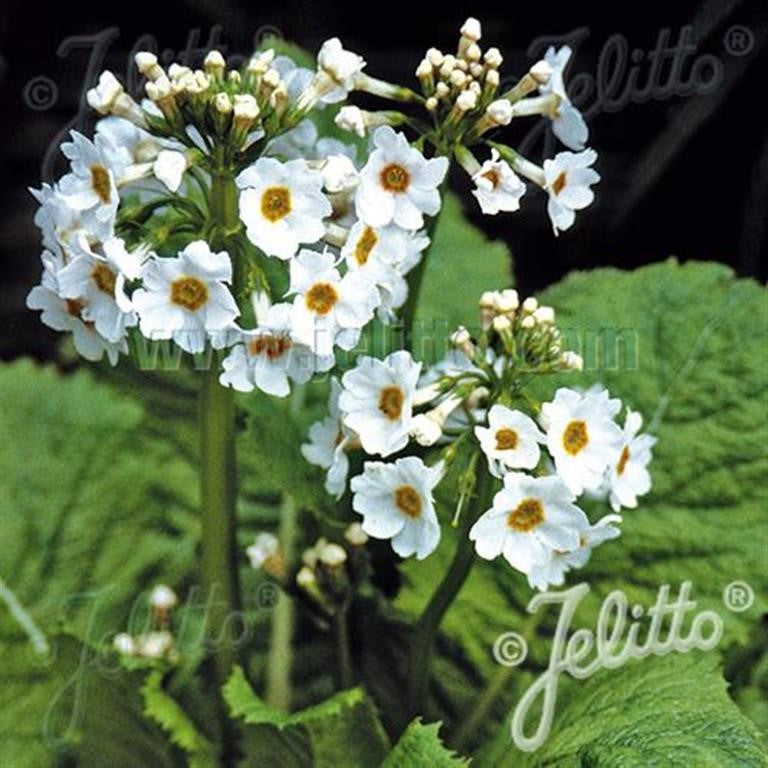
Primula Japonica ‘Alba’ – A Complete Growing Guide
Primula Japonica ‘Alba’, also known as the Japanese Primrose, is a moisture‑loving perennial admired for its elegant white flowers and lush foliage. Perfect for woodland gardens, damp borders, and planting near water features, it brings brightness to shaded areas where many plants struggle.

What Makes Primula Japonica ‘Alba’ Special?
This elegant candelabra‑style primrose produces tiers of crisp white flowers above fresh green foliage in late spring to early summer. Its preference for damp, shaded conditions makes it a standout choice for areas where other plants falter.
Best Planting Location
Light
- Prefers partial to full shade.
- Ideal beneath trees, beside ponds, or in cool, sheltered borders.
Soil
- Moist but well‑drained, rich in organic matter.
- Slightly acidic to neutral pH delivers the best growth.
When to Plant
- Early spring or autumn.
- These cooler seasons help roots establish before extreme weather.
Spacing
- Space plants 12–18 inches apart to allow for airflow and healthy clump formation.
Watering
- Keep soil consistently moist, especially in summer.
- Water deeply during dry periods.
- Avoid letting pots dry out—this species dislikes drought.
Fertilising
- Apply a balanced, slow‑release fertiliser in early spring.
- Enrich soil with compost or leaf mould annually.
Pruning & Maintenance
- Deadhead spent blooms to prolong flowering.
- Cut back fading foliage in autumn to tidy the area and reduce disease risk.
Pests & Diseases
Common Pests
- Aphids
- Slugs and snails (especially on young foliage)
Use organic controls such as slug traps, wool pellets, or insecticidal soap.
Disease Prevention
- Ensure good airflow.
- Avoid overhead watering.
- Keep soil moist but not stagnant.
Propagation
Division
- Divide clumps every 2–3 years in early spring or autumn.
- Helps maintain vigour and increase your stock.
Companion Plants
Pairs beautifully with other moisture‑lovers such as:
- Hostas
- Ferns
- Astilbes
- Rodgersia
- Ligularia
Avoid planting near drought‑tolerant species.
Additional Tips
- Ideal for bog gardens, stream edges, and damp woodland conditions.
- Mulch in autumn to protect roots over winter and retain soil moisture.
- Looks stunning planted in groups for a naturalised effect.
Conclusion
Primula Japonica ‘Alba’ brings a serene elegance to shady, moisture‑rich areas of the garden. With consistent watering, rich soil, and occasional division, it rewards you with beautiful white flower tiers and fresh spring interest year after year.
FAQs – Primula Japonica ‘Alba’
1. Does Primula Japonica ‘Alba’ need full shade?
It grows best in partial to full shade, especially in moist woodland or sheltered areas.
2. Can it grow in full sun?
Only if the soil stays consistently moist. Dry, sunny locations can cause wilting.
3. How often should it be watered?
Keep soil regularly moist, especially in summer. It should never fully dry out.
4. Is it suitable for pots?
Yes—use a large pot with moisture‑retentive compost and water frequently.
5. When does it flower?
Typically from late spring to early summer, producing tall white candelabra blooms.
6. How do I propagate Japanese primroses?
Divide clumps every 2–3 years or sow seeds from mature plants.
7. Is it winter hardy?
Yes, Primula Japonica ‘Alba’ is fully hardy, especially when mulched in autumn.
8. What pests should I look out for?
Mainly slugs, snails, and aphids—use organic controls to protect young growth.


