
Primula Plug Plants – A Complete Growing Guide
Primula plug plants offer a fast, reliable way to bring early spring colour into your garden. With bright blooms, shade tolerance, and easy care, Primulas are perfect for borders, containers, and woodland planting. This guide covers planting, care, varieties, and troubleshooting.
Introduction
Primulas are among the first flowers to signal the end of winter, producing cheerful clusters of yellow, pink, purple, red, and white. Plug plants offer a convenient entry point for gardeners—already rooted, quick to establish, and ideal for mass planting. Whether you want naturalised primroses or vibrant tiered candelabras, Primula plug plants make it simple to create a bright spring display.
What Are Primula Plug Plants?
Primula plug plants are young, well‑rooted starter plants grown in small compost plugs. They allow rapid establishment, reliable blooms, and reduced risk compared to seed sowing. Because they thrive in cool, moist environments, they are well‑suited to UK gardens and woodland‑style planting.
Why Choose Primula Plug Plants?
- Easy to Grow: Suitable for complete beginners.
- Early Colour: Blooms appear in late winter or early spring.
- Versatile: Thrive in borders, pots, shady paths, and woodland settings.
- Cost‑Effective: Great value for mass planting or mixed colour schemes.
Popular Primula Varieties
Primula vulgaris (Common Primrose)
Soft yellow, classic blooms; naturalises beautifully in dappled shade.
Primula ‘Belarina Series’
Compact, double‑flowered, richly coloured varieties perfect for containers.
Primula auricula
Distinctive blooms with bold markings; loved by collectors and ideal for alpine or display shelves.
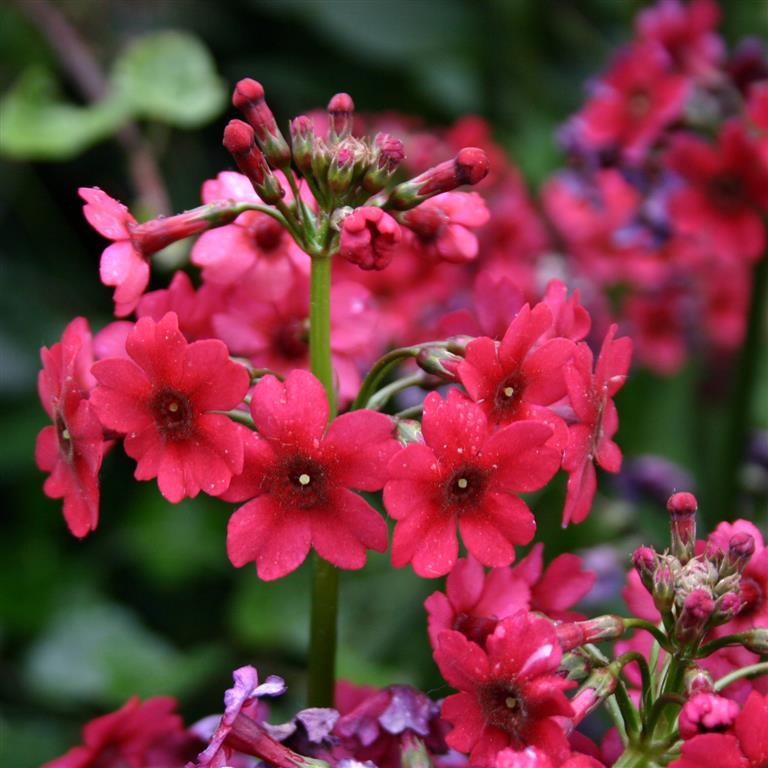
Primula japonica (Candelabra Primulas)
Tall stems with tiered blooms; thrive in moist, shaded borders and stream‑side planting.
How to Plant Primula Plug Plants
Soil Preparation
- Moist, well‑drained soil enriched with compost or leaf mould.
- Slightly acidic conditions produce the best colour and foliage quality.
Potting & Spacing
- Suitable for borders, pots, or woodland beds.
- Space 15–20 cm apart for a dense, colourful display.
Planting Tips
- Plant plugs as soon as possible after arrival.
- Firm gently, water well, and mulch lightly to retain moisture.
Watering Tips
- Keep soil consistently moist, especially during dry periods.
- Avoid overwatering—Primulas dislike waterlogged roots.
- Mulch helps maintain cool moisture levels around the root zone.
Care & Maintenance
Light Requirements
- Prefer partial shade or dappled light; strong afternoon sun may scorch leaves.
Feeding
- Apply a balanced fertiliser in early spring to encourage strong flowering.
Deadheading
- Remove spent blooms to extend the flowering period and encourage further bud formation.
Common Problems & Solutions
Crown Rot
- Caused by poor drainage.
- Improve soil structure and avoid standing water.
Slugs & Snails
- Protect young plants with organic pellets, wool pellets, copper tape, or night‑time patrols.
Poor Flowering
- Often due to low nutrients or dry soil.
- Ensure moisture levels are consistent and apply spring feed.
Where to Buy Primula Plug Plants
Purchase from reputable nurseries or online specialists that supply healthy, well‑rooted plugs. Mixed colour packs offer excellent value and diversity for borders and containers.
Final Thoughts
Primula plug plants are one of the simplest ways to add early cheer to your garden. With their bold colours, low maintenance needs, and superb performance in shade and moisture, they are ideal for UK gardeners of all experience levels. Whether you choose soft‑toned primroses or striking candelabra varieties, Primulas will brighten your outdoor spaces year after year.


