Primula elatior — The True Oxlip for Cool, Moist, Woodland Borders
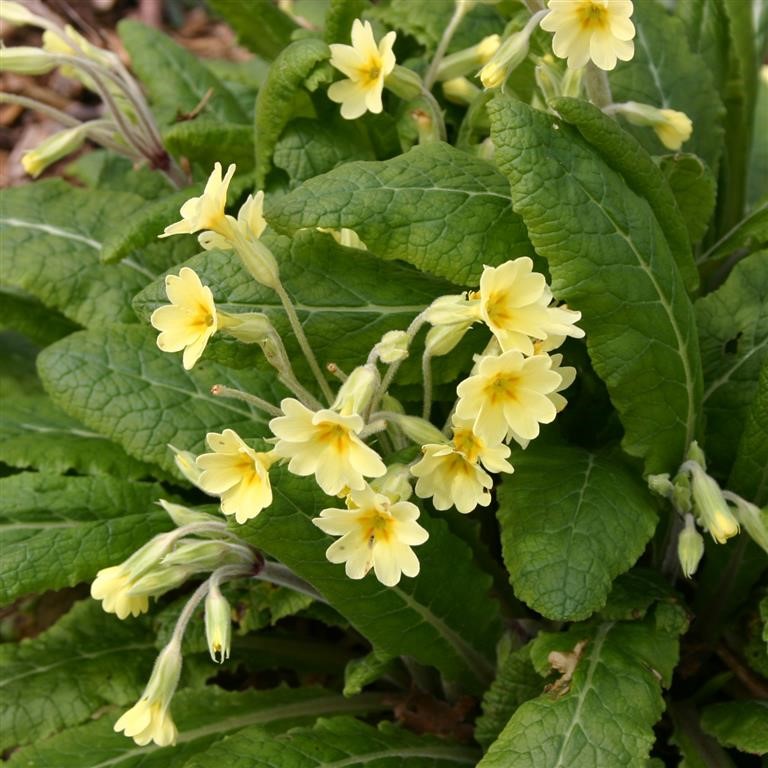
Primula elatior, the true Oxlip, is a graceful spring perennial with soft yellow, one‑sided blooms that rise above fresh green rosettes. Thriving in cool, moist, partially shaded woodland edges, it’s ideal for naturalistic planting, early‑season nectar, and bringing delicate light to shady borders in April and May.
What Makes Primula elatior Special
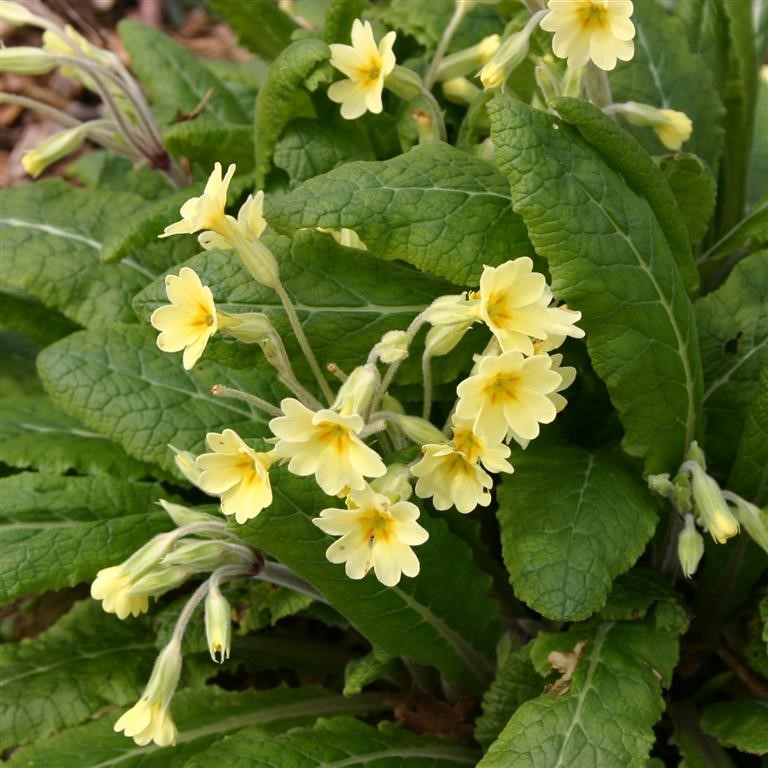
Primula elatior combines the elegance of cowslip‑type flowering with the softer tone of primrose, producing one‑sided clusters of pale yellow, fragrant, nodding blooms on upright stems. Its early spring flowering makes it invaluable for woodland and wildlife gardens, while its gentle colourworks beautifully with spring bulbs, Brunnera, Pulmonaria and early daffodils.
Ideal Growing Conditions
Light
- Prefers partial shade to full shade, especially in woodland conditions.
- Tolerates full sun in cool areas but must stay moist.
Soil
- Best in moist, humus‑rich, well‑drained loam.
- Happy in clay, chalk or neutral to slightly alkaline soils.
- Naturally found in damp woods and nutrient‑poor, calcium‑rich soils.
Moisture
- Needs consistent moisture—avoid drying out.
- Performs beautifully in woodland, damp meadows, and sheltered banks.
Hardiness
- A hardy perennial, reliably surviving UK winters.
- Growth resumes quickly in cool early spring.
Planting & Spacing
- Planting time: Early spring or autumn.
- Spacing: 15–25 cm (6–12″) apart.
- Plant at the same depth as the original pot, firm lightly and water in well.
Care & Maintenance
Watering
- Keep evenly moist, especially during spring and dry spells.
- Protect from prolonged drought even in shade.
Feeding
- A light top‑dress of compost or a gentle balanced feed in early spring boosts fresh growth.
Deadheading
- Remove spent flower clusters to extend flowering unless you want natural self‑seeding.
Dividing
- Divide clumps every 2–3 years in early spring or early autumn to reinvigorate plants and expand your stock.
Pests & Issues
- May attract slugs, vine weevil, aphids and leaf‑spot issues in stagnant conditions.
- Ensure good airflow and avoid overcrowding in damp soils.
Wildlife Value
A superb early nectar source for bees and butterflies, especially in cool springs when food sources are scarce. Its early bloom window makes it a key plant for a wildlife‑first spring garden.
Common Uses in the Garden
- Woodland borders
- Damp meadows
- Shady wildlife gardens
- Naturalised drifts with spring bulbs
- Underplanting beneath deciduous shrubs
Pairs perfectly with blue spring companions (Brunnera, Pulmonaria, Scilla), soft narcissi, and moisture‑loving ferns.


.png)