
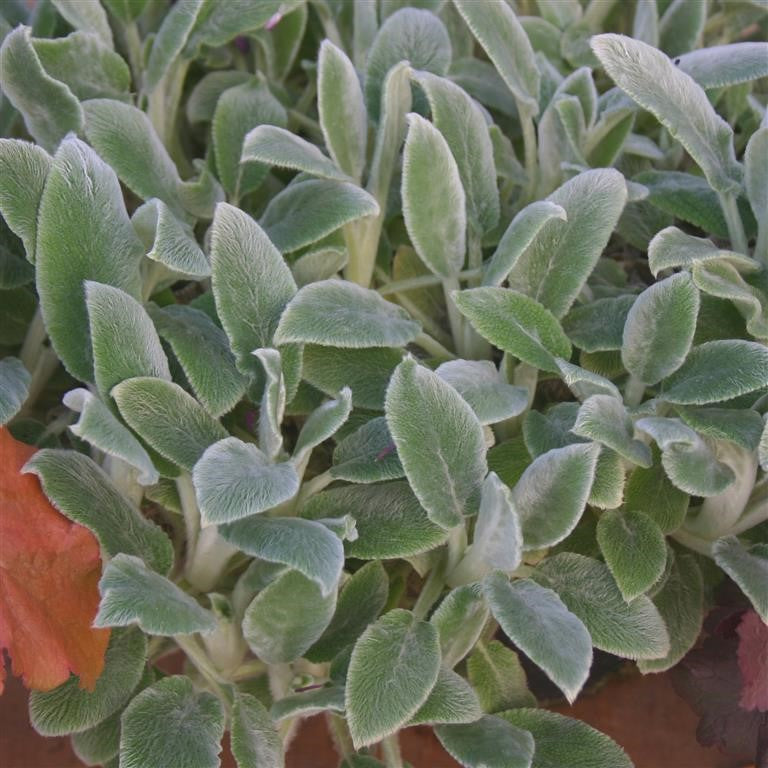
Stachys Plug Plants — A Complete Growing Guide
Stachys plug plants are an easy, affordable way to grow soft, velvety Lamb’s Ear and other Stachys varieties. This guide covers planting, soil, spacing, watering, care, pruning, pests, varieties, and expert tips for thriving plants in sunny borders and sensory gardens.
Introduction
Stachys, commonly known as Lamb’s Ear, is a beloved perennial prized for its soft, velvety silver-grey foliage and delicate summer flower spikes. Ideal for borders, cottage gardens, gravel gardens, and sensory planting schemes, Stachys brings soothing texture and year‑round interest. Starting with Stachys plug plants is a cost‑effective, beginner-friendly way to grow these dependable plants with quick establishment and minimal fuss.
What Are Stachys Plug Plants?
Plug plants are young, well-rooted starter plants grown in small plugs of compost. Stachys plug plants are ideal for:
- Fast establishment
- Reliable growth
- Easy handling
- Low-maintenance planting
They thrive in sunny spots and reward gardeners with soft foliage, excellent texture, and charming summer blooms.
Why Choose Stachys Plug Plants?
- Easy to Grow: Perfect for beginners or low-maintenance gardens.
- Drought-Tolerant: Excellent for dry, sunny borders and gravel gardens.
- Year-Round Interest: Evergreen or semi-evergreen foliage looks good even when not in flower.
- Wildlife-Friendly: Flower spikes attract bees and other pollinators.
Popular Stachys Varieties
Stachys byzantina (Lamb’s Ear)
Classic velvety silver-grey leaves with soft pink flower spikes — ideal for sensory gardens and children’s planting schemes.
Stachys ‘Silver Carpet’
Dense, low-growing silver foliage that produces few flowers — excellent for ground cover.
Stachys officinalis (Betony)
Green, textured foliage with upright purple flower spikes — a fantastic choice for cottage gardens and wildlife-friendly planting.
How to Plant Stachys Plug Plants
Choosing the Right Soil
Stachys thrives in well-drained soil and tolerates:
- Poor soils
- Sandy or gravelly conditions
Avoid heavy, waterlogged soil as this can cause root rot.
Potting & Spacing
- Suitable for borders, rockeries, and containers
- Space plants 30–45 cm apart to allow for a full, spreading effect
Watering Tips
- Water regularly until established
- Once mature, water sparingly — Stachys is drought-tolerant
Care & Maintenance
Light Requirements
- Prefers full sun for the best colour and compact growth
Feeding
- Apply a light fertiliser in spring to support fresh growth
Pruning
- Remove faded flower spikes in summer
- Trim foliage as needed to maintain a tidy appearance
Common Problems & Solutions
Overwatering
Avoid soggy soil — ensure excellent drainage.
Leggy Growth
Trim back after flowering to encourage compact regrowth.
Pests
Stachys is generally pest-free, making it ideal for low-maintenance planting.
Where to Buy Stachys Plug Plants
Choose reputable nurseries or online perennial specialists. Look for:
- Healthy, firm foliage
- Strong, well-rooted plugs
- Mixed packs for variety in borders
FAQs
Is Stachys easy to grow?
Yes — Stachys is beginner-friendly and thrives in sunny, well-drained sites.
Does Stachys need full sun?
For the best foliage colour and compact growth, full sun is ideal.
How often should I water Stachys?
Water regularly when young, then sparingly once the plant matures.
Is Stachys good for wildlife?
Yes — the flowers attract bees and beneficial insects.


