
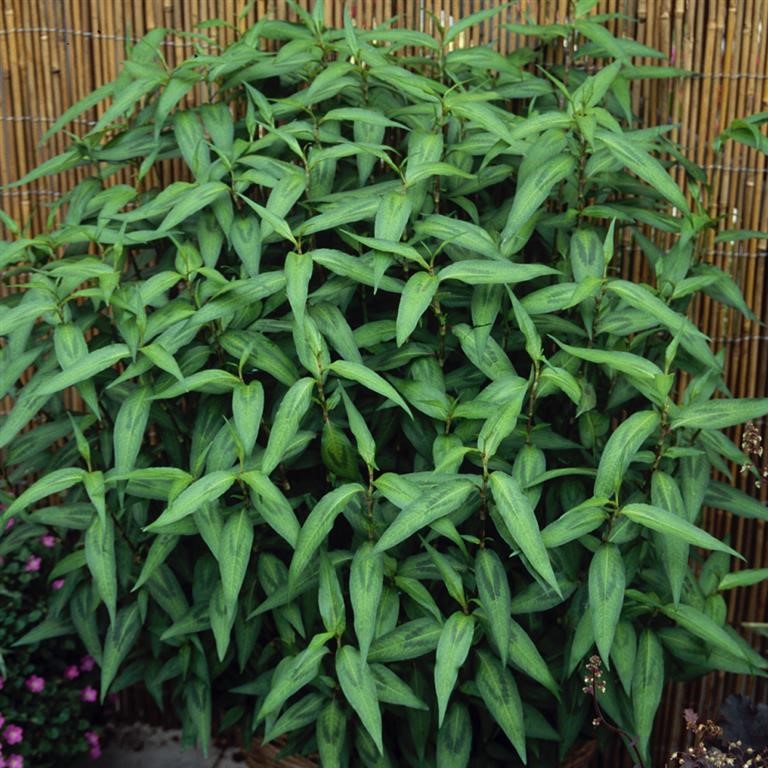
Vietnamese Coriander (Persicaria odorata) — Complete Growing Guide
Vietnamese coriander, also known as Rau Răm, is a fragrant herb essential to Vietnamese, Thai and Cambodian cooking. With its peppery, citrus-like flavour and attractive foliage, it’s ideal for kitchen gardens, containers and indoor growing — and it’s incredibly easy to propagate. This guide covers planting, care, harvesting and overwintering.
What Is Vietnamese Coriander?
Vietnamese coriander is a tender perennial herb native to Southeast Asia. Unlike traditional coriander (cilantro), which bolts quickly in summer, Persicaria odorata holds its flavour for months and thrives in warm, humid conditions.
Key Features
- Botanical name: Persicaria odorata
- Common names: Vietnamese coriander, Vietnamese mint, Rau Răm
- Growth habit: Creeping, spreading perennial
- Leaf markings: Dark chevrons on long, narrow leaves
- Native region: Tropical Southeast Asia
Why Grow Vietnamese Coriander?
- Authentic flavour: Essential for dishes like pho, laksa, salads and curries
- Heat-loving: Thrives in warm, humid weather
- Easy to propagate: Roots readily from simple cuttings
- Compact: Ideal for pots, patios and indoor herb stations
- Ornamental: Attractive foliage with dark markings adds visual interest
Ideal Growing Conditions
To get the best from Vietnamese coriander, mimic its tropical origins.
Light
- Partial shade in hot climates
- Full sun in cooler regions like the UK
Temperature
- Thrives between 18–29°C (65–85°F)
- Frost-sensitive – bring indoors for winter
Humidity
- Loves moist air
- Perfect for greenhouses, conservatories or bathrooms with bright light
Soil
- Rich, fertile, well-draining soil
- Add plenty of organic matter or compost
pH
- Slightly acidic to neutral (6.0–7.0)
How to Plant Vietnamese Coriander
1. Choose the Right Spot
A sheltered, partially shaded area with morning sun is ideal.
2. Prepare the Soil
Mix in:
- Compost
- Well-rotted manure
- Leaf mould
3. Planting
Space plants 20–30cm apart to allow for spreading.
4. Watering
Keep the soil consistently moist but never waterlogged.
5. Mulching
Apply an organic mulch to:
- Retain moisture
- Suppress weeds
- Enrich the soil
Propagation Tips (Very Easy!)
Vietnamese coriander is one of the easiest herbs to propagate.
Rooting in Water
- Cut a 10–12cm stem
- Remove lower leaves
- Place in water
- Roots appear within 5–10 days
- Pot up once roots reach 2–3cm
Direct Soil Method
- Insert fresh cuttings into moist compost
- Keep shaded and humid
- They root extremely quickly
Perfect for overwintering backups.
Does Vietnamese Coriander Come Back Every Year?
In Frost-Free Climates
Yes — it’s a perennial and will return year after year.
In the UK
- Best grown in containers
- Bring indoors before frost
- Keep warm, humid and lightly watered
- OR overwinter fresh cuttings on a windowsill
Caring for Vietnamese Coriander
Pruning
Regular trimming encourages:
- Bushy growth
- Fresh leaves
- Prevention of woody, leggy stems
Feeding
Apply a balanced liquid fertiliser every 4–6 weeks during the growing season.
Pests
Generally problem-free, but monitor for:
- Aphids
- Red spider mites in dry indoor environments
Container Care
- Use moisture-retentive compost
- Ensure drainage holes
- Keep soil evenly moist
Harvesting & Storage
Harvesting
- Pick leaves as needed
- Best harvested in the morning when flavours are strongest
- Don’t remove more than one-third of the plant at a time
Storage
- Wrap in damp paper towel → refrigerate up to a week
- Freeze chopped leaves in ice cube trays for long-term use
Common Problems & Solutions
Yellowing Leaves
- Usually overwatering or poor drainage
- Improve soil aeration and reduce watering
Leggy Growth
- Increase light exposure
- Trim regularly
Slow Growth
- Feed with nitrogen-rich fertiliser
Vietnamese Coriander vs Regular Coriander
| Feature | Vietnamese Coriander | Regular Coriander (Cilantro) |
|---|---|---|
| Type | Perennial | Annual |
| Climate | Warm, humid | Cool |
| Flavour | Peppery, citrus | Fresh, citrusy |
| Bolting | Rare | Very common |
| Best Use | Asian cuisine | Global cuisine |
FAQs
Can I grow Vietnamese coriander indoors?
Yes — place near a bright window or under grow lights and mist regularly to maintain humidity.
How often should I water it?
Weekly, or whenever the topsoil begins to dry.
Is it invasive?
It can spread quickly in ideal conditions — containers are recommended.
Can I overwinter it?
Yes — bring the plant indoors or root fresh cuttings.


