
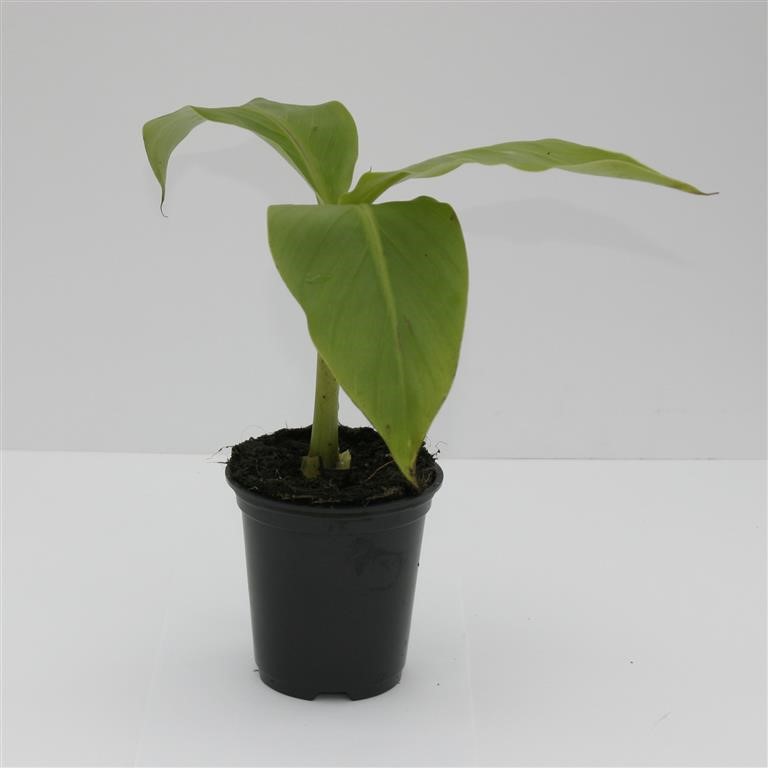
🌸 Introduction
Musa Basjoo — often called the Japanese hardy banana — is one of Dartana Plants’ all‑time favourites for customers wanting an instant, dramatic, tropical feel in the garden. Despite its bold, exotic appearance, Musa Basjoo is surprisingly robust, cold‑tolerant, fast-growing and easy to care for in the UK. Whether you want to transform a corner of your garden into a lush jungle or add architectural height to a border, this plant delivers impact in a single growing season.
Below, we break down exactly what makes Musa Basjoo so great, and why it’s become a go‑to favourite for UK gardeners.

❄️ 1. Incredible Hardiness (Down to –15°C)
One of the biggest selling points of Musa Basjoo is its unusual cold tolerance for a banana.
✔ Survives down to –10°C unprotected
✔ Survives down to –15°C with mulch or fleece protection
✔ Hardy in most regions of the UK
✔ Regrows vigorously even if top growth dies back
The stems may die off in severe winters, but the rhizome is tough, sending up new shoots each spring.
This makes it far more reliable than other exotic bananas, which often fail in UK winters.
🌴 2. Instant Tropical Aesthetic
Few plants bring “wow factor” like Musa Basjoo.
Why gardeners love the look:
- Huge, lush, paddle‑shaped leaves
- A real architectural statement
- Creates instant jungle vibes
- Perfect for exotic and modern garden designs
In smaller gardens, it acts as a stunning focal point. In larger gardens, it forms the backbone of a tropical or jungle‑themed planting scheme.
🚀 3. Very Fast Growth
Musa Basjoo is one of the fastest-growing ornamental plants.
What to expect:
- Shoots appear early in the season
- Rapid expansion through summer
- Can grow 3–4 metres (10–13ft) in one year
- Quickly fills blank corners or bare fences
If you want a plant that transforms a garden fast, this is one of the best choices.
🧩 4. Surprisingly Versatile
Musa Basjoo fits into many styles:
✔ Jungle/exotic gardens
✔ Architectural modern schemes
✔ Mixed borders for height
✔ Coastal gardens
✔ Containers on patios
It can also be planted as:
- A focal specimen
- In groups for a lush tropical cluster
- Along boundaries to soften hard landscaping
Its adaptability makes it a favourite for both new gardeners and seasoned exotics enthusiasts.
🐦 5. Supports Wildlife
Though Musa Basjoo is not UK-native, it still contributes to garden ecology.
Wildlife benefits
- Birds use the broad leaves for shelter
- Dense foliage provides shade habitats
- Beneficial insects use the base for protection
Creating layered, leafy structures helps soften the garden and supports microhabitats.
🌿 6. Low Maintenance Once Established
Despite its dramatic look, Musa Basjoo is easy to care for.
Maintenance benefits
- Minimal feeding
- Occasional watering in summer
- Can tolerate most soils (with drainage)
- Handles wind and rain better than expected
- Doesn’t need pruning — just remove damaged leaves
A great "big impact, low effort" plant.
🍌 7. Edible Bananas… Sort Of
Musa Basjoo can produce fruit, but:
- The bananas are small, fibrous and very starchy
- Not suitable to eat raw
- Can be cooked, but rarely used culinarily in the UK
Still, the novelty of growing a banana outdoors in Britain is part of the appeal!
🌍 8. Perfect for UK Exotic Gardeners
Dartana Plants loves Musa Basjoo because it ticks every box for an exotic plant that actually thrives in the UK:
- Hardy
- Fast-growing
- Impressive leaves
- Architectural impact
- Easy winter protection
- Reliable regrowth
It’s one of the best starting points for anyone wanting to build a tropical-style garden.
🧪 How to Get the Best From Musa Basjoo (Quick Tips)
Sun & Shelter
- Full sun to part shade
- Best near a warm wall or sheltered corner
Soil
- Moist, rich, well‑drained
- Add compost before planting
Watering
- Regular moisture in summer
- Keep soil drier in winter
Feeding
- High-nitrogen feed in spring boosts leaf size
- General fertiliser in summer
Winter Protection
- Mulch heavily around the base
- Wrap pseudostems in fleece if you want to preserve height
❓ FAQs
Does Musa Basjoo survive UK winters?
Yes — with minimal winter protection, it’s one of the hardiest bananas available.
Does it grow well in pots?
Absolutely — choose a large container with good drainage.
Does it produce edible bananas?
Technically yes, but they are not typically eaten raw.
How tall does it get?
3–4 metres (10–13 feet) in a single season.


