How to Build a Wildlife‑Rich Border That Blooms from April–November
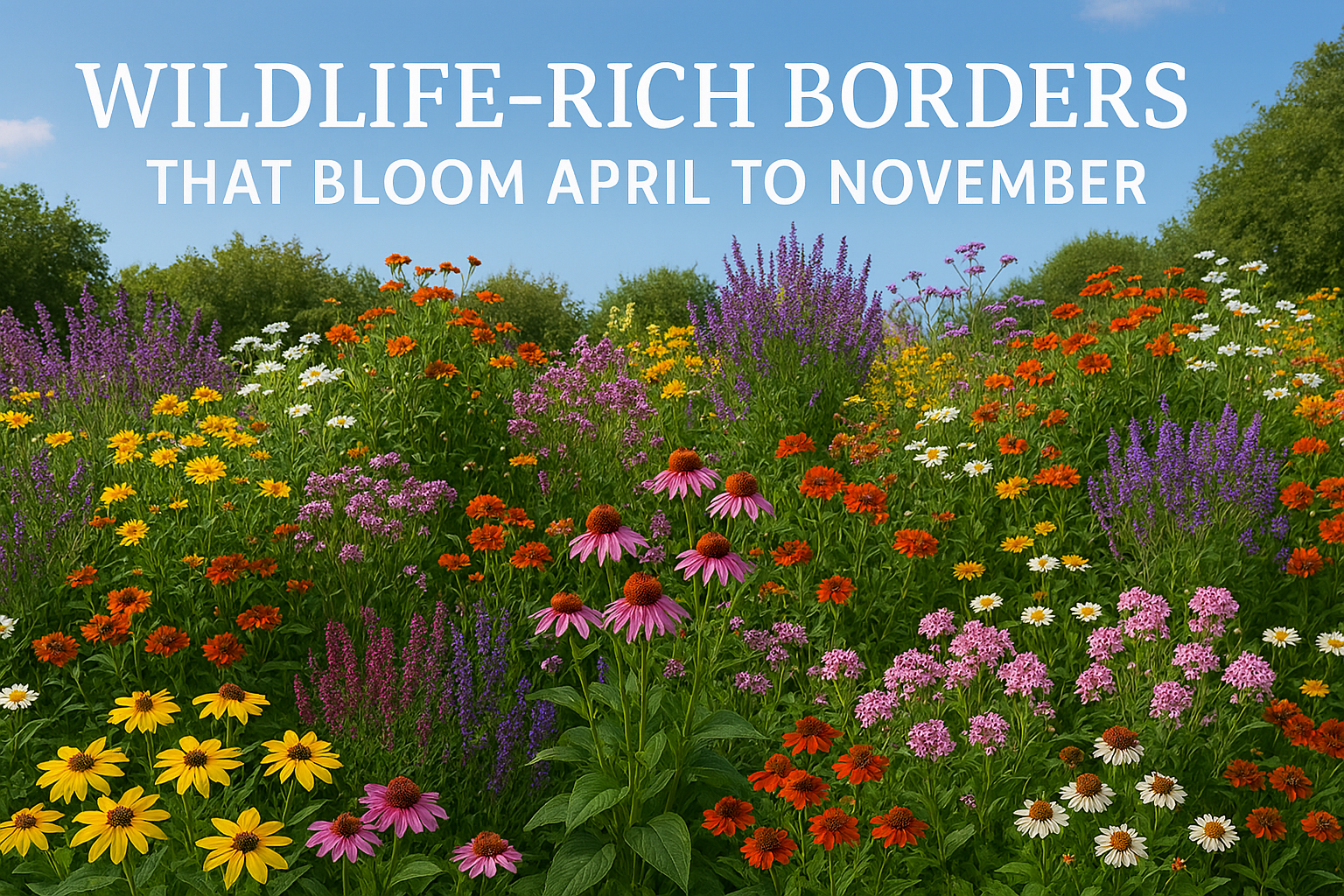
In 2026, wildlife‑led planting has moved from niche to mainstream. April is now the key month for establishing pollinator‑rich borders that brim with life, colour and movement throughout spring, summer and autumn.
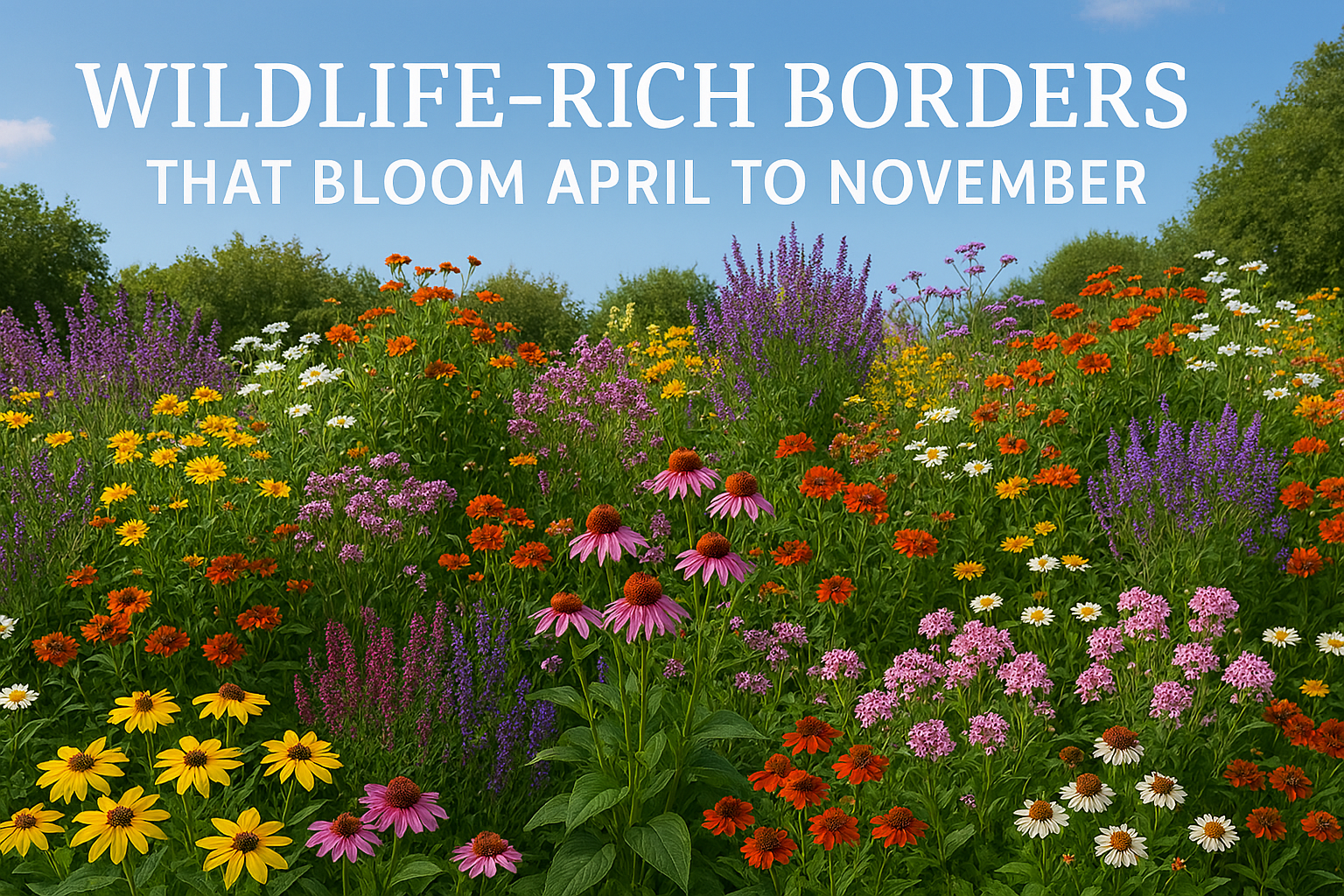
These borders mimic natural ecosystems: layered perennials, mixed heights, native species and long‑season flowering. Instead of planting for looks alone, gardeners are planting for pollinators, beneficial insects and birds — and the result is a garden that feels vibrant and alive.
Why Wildlife Borders Are Everywhere in 2026
- Designers now prioritise nature‑first schemes, focusing on nectar, habitat and seasonal continuity.
- Native plants outperform exotics in resilience, feeding local wildlife with minimal input.
- Layered, abundant borders align perfectly with the maximalist trend.
- Biodiversity increases garden stability, reducing pests and disease naturally.
Planting Structure for an April–November Border
Upper Layer (height & structure)
Foxgloves, verbena bonariensis, fennel, tall native asters.
Middle Layer (colour & movement)
Echinacea, salvias, achillea, heleniums, monarda.
Lower Layer (groundcover & long bloom)
Geraniums, thyme, creeping phlox, low asters.
Spring Kick‑Starters
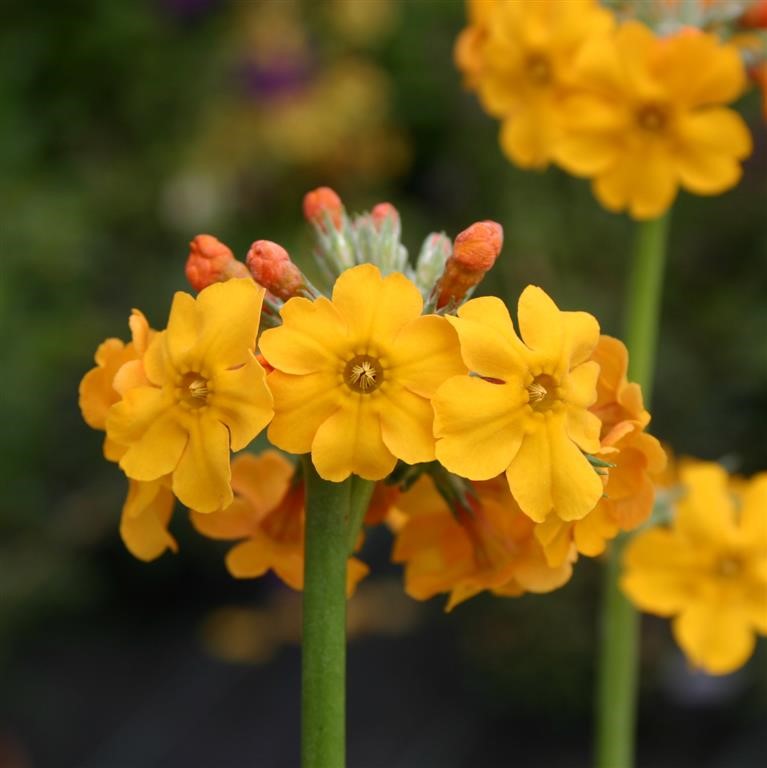
Primulas, early alliums, lungwort — feeding early bees until summer species take over.


.png)