
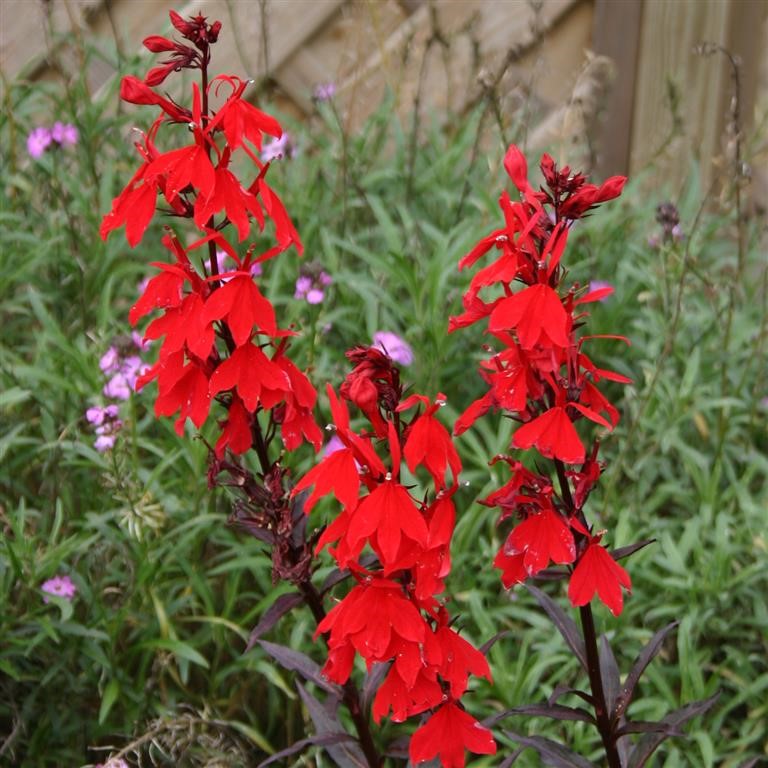
Lobelia fulgens ‘Queen Victoria’ (Elmfeuer): A Bold Red Perennial for Dramatic Summer Colour
Lobelia fulgens ‘Queen Victoria’—also sold as ‘Elmfeuer’—is one of the most dramatic late‑summer perennials you can grow, with deep red spikes and rich bronze foliage. Ideal for borders, moist soils, wildlife gardens, and bold planting schemes, this guide covers everything you need to grow it successfully at home.
What Makes Lobelia ‘Queen Victoria’ Special?
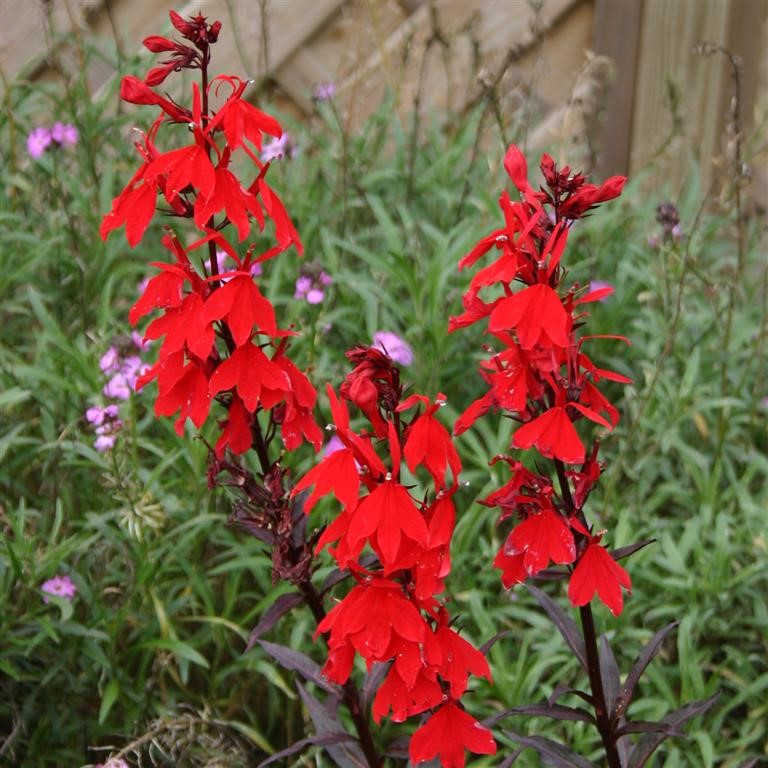
Lobelia fulgens ‘Queen Victoria’ stands out immediately thanks to its fiery red flower spikes that rise above dusky bronze or mahogany foliage. Flowering from mid‑summer into early autumn, it delivers a burst of intense colour at a time when many perennials are fading.
It’s a fantastic choice for:
- Bold mixed borders
- Moist or boggy areas around ponds
- Wildlife gardens (pollinators adore it)
- Architectural planting schemes
- Small gardens needing vertical interest
This is not your typical bedding lobelia—it’s a hardier, taller, perennial species with real presence.
Key Facts at a Glance
- Height: 80–100cm
- Spread: 30–45cm
- Flowering: July–September
- Foliage colour: Bronze to dark red
- Ideal position: Full sun (with moisture) or partial shade
- Soil: Moist, rich, reliably damp
- Habit: Clump-forming herbaceous perennial
How to Grow Lobelia fulgens ‘Queen Victoria’
1. Best Planting Position
This plant thrives when given:
- Full sun for maximum foliage colour
- Moist but well-drained soil—it hates drying out
- A sheltered spot, away from strong winds
If you have a pond edge, bog garden, or naturally damp bed, this is the perfect perennial.
2. Soil Requirements
Lobelia ‘Queen Victoria’ loves:
- Rich, fertile soil
- Plenty of organic matter
- Consistent moisture
Add compost or well-rotted manure before planting to help maintain dampness.
3. Watering & Feeding
- Water regularly during dry spells.
- Keep soil consistently moist, especially in summer.
- Feed with a balanced liquid feed every 2–3 weeks during peak growth for best flowers.
4. How Hardy Is It?
This plant is hardy but crown rot can be an issue in winter if the soil is cold and waterlogged. Improve drainage by lifting the crown slightly when planting, or mulch lightly around—not over—the crown.
5. Pruning & Maintenance
- Cut stems back to the base in late autumn once frost has blackened the foliage.
- Mulch the root area lightly to protect the crown.
- Divide every 2–3 years in spring to rejuvenate the clump.
Common Problems & Solutions
Poor Growth or Wilting
Usually caused by dry soil. Keep consistently moist, especially in summer.
Crown Rot in Winter
Occurs in cold, waterlogged soils. Improve drainage or replant slightly higher.
Green Foliage Instead of Red
This happens in shade or low light. Move to a sunnier position next spring.
Is Lobelia ‘Queen Victoria’ Good for Wildlife?
Absolutely. Bees, butterflies, and hoverflies flock to its nectar-rich flowers. Plant alongside:
- Helenium
- Monarda
- Rudbeckia
- Sanguisorba
…for a pollinator-friendly late-summer display.
Design Tips for the Garden
Lobelia fulgens ‘Queen Victoria’ pairs beautifully with:
- Lime greens (Hostas, Alchemilla mollis)
- Deep purples (Salvia ‘Caradonna’)
- Airy grasses (Molinia, Panicum)
- Tropical foliage (Colocasia, Cannas, Bananas)
Use it to create height, vibrancy, and contrast in summer borders.
FAQs
Is Lobelia ‘Queen Victoria’ hardy?
Yes, hardy once established, but protect the crown from winter wet.
Does it come back every year?
Yes—it's a perennial. Divide every few years to maintain vigour.
Can it grow in pots?
Possible, but pots dry out too fast. It performs best in the ground.
Why is my plant getting smaller each year?
Likely winter crown damage. Improve drainage or lift/divide in spring.


.png)
.png)


