Agapanthus ‘Queen Mum’: A Majestic Summer Showstopper
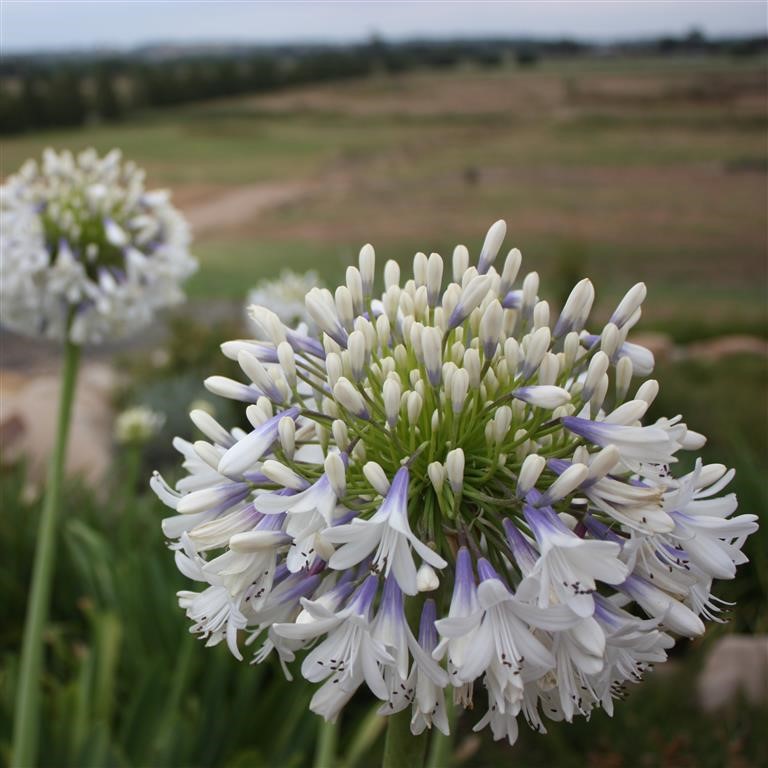
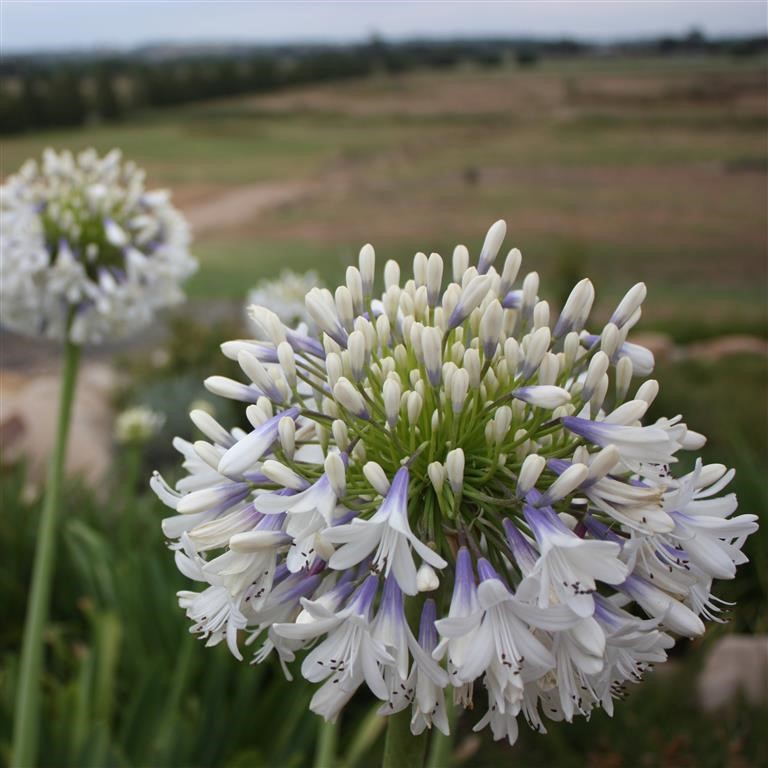
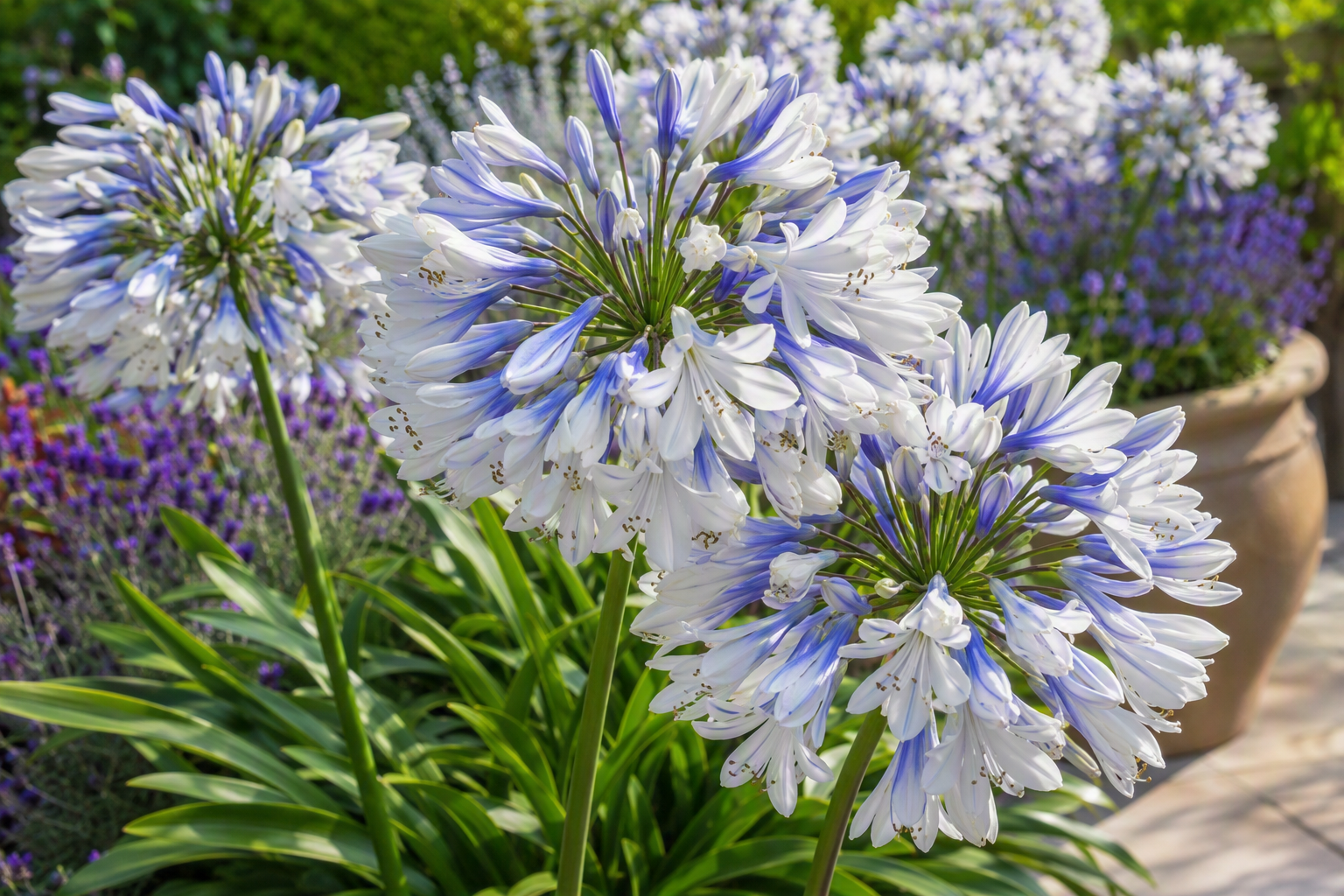
If you're looking for a perennial that combines elegance, structure and long-lasting summer colour, Agapanthus ‘Queen Mum’ is an excellent choice. This award-winning African Lily produces spectacular rounded flower heads made up of white blooms delicately brushed with soft blue, creating a striking two-tone effect that stands out in borders and patio containers alike.
Its strong stems, attractive strap-like foliage and pollinator-friendly flowers make it one of the most desirable agapanthus varieties for UK gardens.
Why Grow Agapanthus ‘Queen Mum’?
🌿 Large bi-colour white and blue flower heads
🌿 Flowers from mid to late summer
🌿 Excellent drought tolerance once established
🌿 Perfect for borders, pots and patio displays
🌿 Attractive to bees and butterflies
🌿 Provides architectural interest all season
Best Growing Conditions
Agapanthus ‘Queen Mum’ performs best in a warm, sunny position where it can soak up plenty of light throughout the day.
- Plant in full sun for the best flowering display
- Tolerates light partial shade
- Choose a sheltered position away from strong winds
- Ideal for south or west-facing gardens and patios
Free-draining soil is essential. Agapanthus dislikes sitting in wet conditions during winter.
Planting Agapanthus ‘Queen Mum’
The best time to plant is from late spring onwards once the risk of frost has passed.
- Dig a hole slightly wider than the root ball.
- Improve the soil with compost and grit if necessary.
- Position the crown just above soil level.
- Backfill and firm gently.
- Water thoroughly after planting.
When growing in containers, use a quality compost mixed with horticultural grit. Agapanthus plants often flower more freely when slightly root-restricted, making them particularly suited to pots.
Watering and Feeding
Although drought tolerant once mature, new plants benefit from regular watering during their first growing season.
Watering
- Keep soil moist while plants establish.
- Allow the soil surface to dry slightly between waterings.
- Avoid waterlogged conditions.
Feeding
- Apply a balanced fertiliser in spring.
- Switch to a tomato feed or high-potash fertiliser during flowering.
- Avoid excessive nitrogen feeds which encourage leaf growth at the expense of flowers.
Winter Care in the UK
Agapanthus ‘Queen Mum’ is reasonably hardy but benefits from some protection during harsh winters.
In Mild Areas
- Leave plants outdoors.
- Apply a light mulch around the base.
- Ensure excellent drainage.
In Colder Regions
- Add a thicker mulch layer.
- Protect crowns with horticultural fleece during severe frosts.
- Move container-grown plants into a greenhouse, porch or sheltered location.
Companion Plants
The soft tones of ‘Queen Mum’ pair beautifully with many popular garden plants.
Try combining it with:
- Salvia
- Verbena bonariensis
- Lavender
- Nepeta
- Echinacea
- Ornamental grasses
These combinations create a long-flowering, pollinator-friendly display packed with colour and movement.
Perfect for Containers and Patio Displays
One of the biggest advantages of Agapanthus ‘Queen Mum’ is its suitability for container growing. The bold flower heads provide instant impact on patios, balconies and courtyards, while the evergreen foliage offers year-round interest in milder areas.
A large decorative pot planted with Agapanthus ‘Queen Mum’ can become a stunning focal point throughout summer.
Frequently Asked Questions
Is Agapanthus ‘Queen Mum’ hardy in the UK?
Yes, it is hardy in many parts of the UK, although winter protection is recommended in colder regions and for container-grown plants.
How tall does Agapanthus ‘Queen Mum’ grow?
Typically around 60 to 90cm (2 to 3 feet) tall with flower stems rising above the foliage.
Does Agapanthus ‘Queen Mum’ grow well in pots?
Absolutely. In fact, agapanthus often flowers better when slightly root-bound, making it one of the best perennials for container displays.
When does Agapanthus ‘Queen Mum’ flower?
Flowering usually begins in mid-summer and continues into late summer, producing impressive spherical flower heads for many weeks.
Is Agapanthus ‘Queen Mum’ good for pollinators?
Yes. The nectar-rich flowers attract bees, butterflies and other beneficial insects throughout the flowering season.


.png)