
Introduction
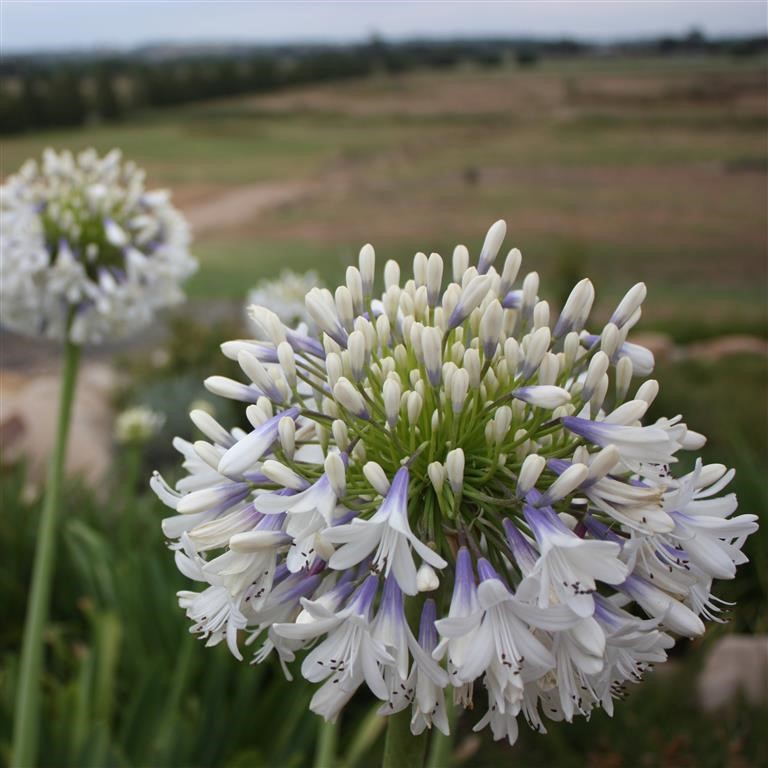
Agapanthus ‘Queen Mum’ is a bold, elegant perennial that delivers spectacular summer colour with large bi‑coloured blooms and lush, architectural foliage.

🌿 Agapanthus orientalis ‘Queen Mum’: A Majestic Summer Showstopper
Agapanthus orientalis ‘Queen Mum’ is a garden favourite known for its impressive bicolour flowers, sturdy stems and lush, strappy foliage. With a stately height of 2–3 feet and long-lasting blooms, it makes a dramatic statement in borders, beds and containers — especially in sunny, sheltered spots.
Here’s how to grow and enjoy this outstanding perennial in UK gardens.
1. Key Features of ‘Queen Mum’
🌸 Striking Blooms
- Large clusters of trumpet‑shaped flowers
- Usually white with a soft blue or violet blush
- Held high on sturdy stems
- Blooms throughout mid-summer to late summer
🌿 Beautiful Foliage
- Long, strap‑shaped leaves
- Adds structure even when not flowering
- Evergreen or semi-evergreen depending on winter temperatures
📏 Height & Spread
- Reaches 2–3 ft tall
- Forms neat clumps over time
- Ideal as a border focal point or container centrepiece
🐝 Pollinator Friendly
A magnet for bees, butterflies and other beneficial insects.
2. Benefits for Your Garden
💧 Drought Tolerant
Once established, ‘Queen Mum’ requires little watering — great for low-maintenance gardens.
🪴 Highly Versatile
Perfect for:
- Sunny borders
- Coastal gardens
- Containers and patio displays
- Mediterranean-style plantings
- Cut flower arrangements
🌿 Low Maintenance
Resilient and long-lived with minimal pruning.
3. Ideal Growing Conditions
☀️ Sunlight
- Prefers full sun for the best flowering
- Will tolerate light partial shade
- South-facing or west-facing spots are ideal
- Excellent for bright patios
🌬 Shelter
Choose a warm, sheltered area to protect tall stems from wind.
4. Soil Requirements
🌱 Soil Type
- Free‑draining soil is essential
- Sandy or loamy soil is ideal
- Avoid heavy clay unless amended with grit and compost
🌿 Soil Improvement
Work in:
- Organic compost
- Grit or sharp sand
- Leaf mould
pH Preference
Slightly acidic to neutral soil works best.
5. Planting Agapanthus ‘Queen Mum’
📅 Best Time to Plant
- Late spring to early summer (after frost risk)
- Can be planted earlier in pots kept under cover
🌼 Spacing
Space plants 1–2 feet apart to allow for natural clumping.
🪴 Planting Steps
- Dig a hole slightly wider than the root ball
- Place the plant so the crown sits just above soil level
- Backfill with improved soil
- Firm lightly
- Water in well
For containers:
- Use a heavy pot (balances tall stems)
- Mix multipurpose compost with grit
- Don’t overpot — Agapanthus flower best when slightly root-restricted
6. Watering & Feeding
💧 Watering
- Water regularly until established
- Once settled: drought tolerant
- Allow soil to dry slightly between waterings
- Avoid waterlogged conditions
🌱 Feeding
- Feed with a balanced fertiliser in spring
- Switch to a high potash feed (tomato feed) during flowering for strong blooms
- Avoid high nitrogen — encourages leaves over flowers
7. Pruning & Maintenance
✂️ Deadheading
Remove spent blooms to encourage tidiness and additional flowering.
🍃 Leaf Care
Remove dead or damaged leaves throughout the season.
8. Overwintering in the UK
‘Queen Mum’ is hardy in many parts of the UK but does need protection in colder regions.
🌡 In Mild Climates
- Leave outdoors
- Mulch lightly around the base
- Avoid overwetting in winter
🌡 In Colder Regions
- Add thick mulch or straw
- Apply fleece during severe frost
- Container plants: move pots into a greenhouse or sheltered porch
- Ensure pots do not freeze solid
9. Companion Plants
🌸 Beautiful Pairings
- Salvia
- Verbena bonariensis
- Lavender
- Nepeta
- Echinacea
- Ornamental grasses
🎨 Colour Combos
Pairs well with:
- Whites
- Blues
- Silvers
- Purples
- Soft pastels
The contrast highlights its elegant flower clusters.
10. Conclusion
Agapanthus orientalis ‘Queen Mum’ is a sophisticated, long-flowering perennial that brings elegance, structure and pollinator appeal to any sunny garden. With excellent drought tolerance, strong stems and easy care requirements, it’s a top choice for UK gardeners wanting a bold, reliable summer performer.
FAQs
Is Agapanthus ‘Queen Mum’ hardy in the UK?
It is hardy in many regions but benefits from winter protection in colder areas.
Does it flower best in pots or in the ground?
It excels in both, but often flowers even more reliably when slightly root-restricted in pots.
How tall does ‘Queen Mum’ grow?
Around 2–3 ft, with tall flower spikes above the foliage.


