Best Pollinator‑Friendly Plants to Boost Wildlife in Your Garden
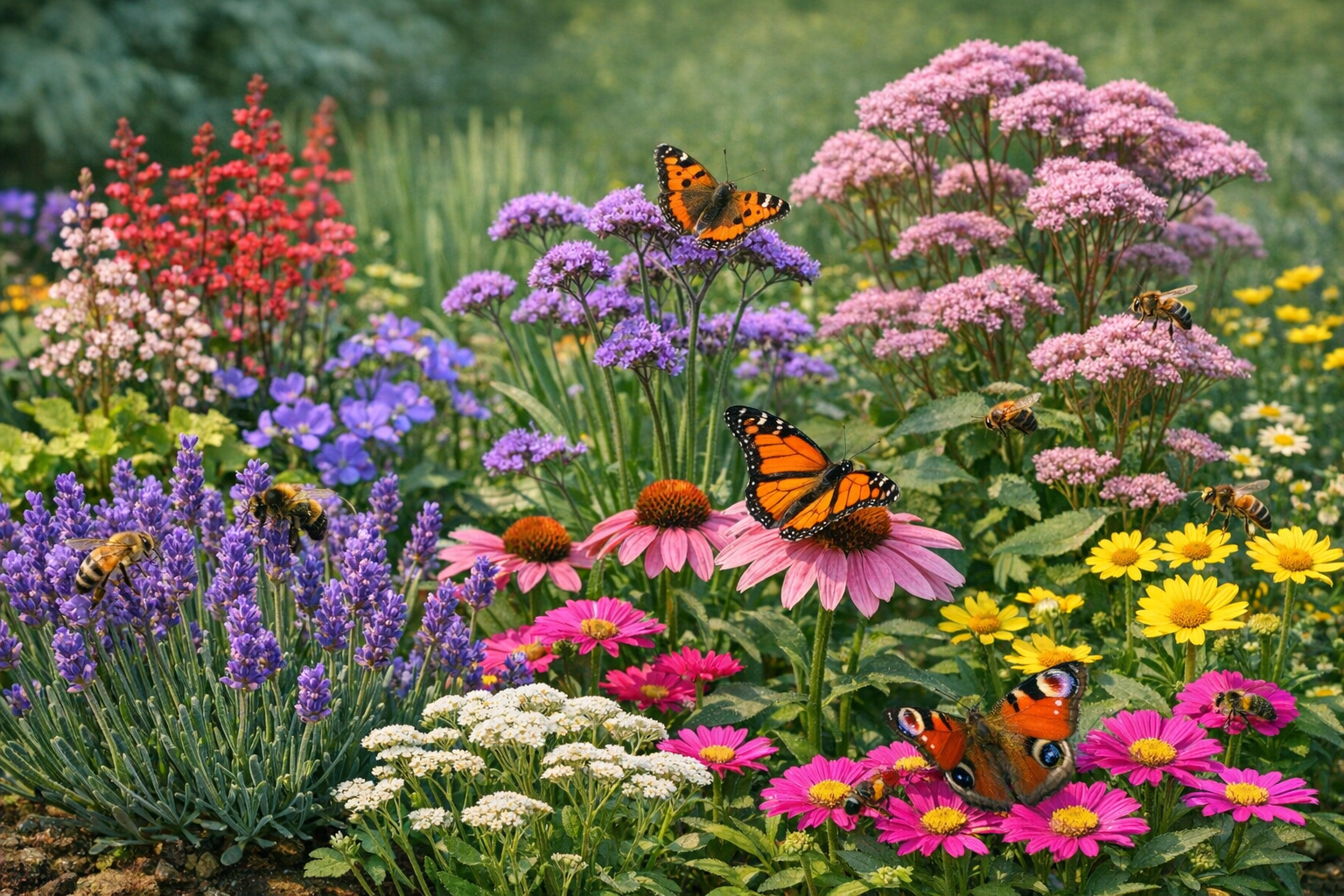
A pollinator‑friendly garden isn’t just good for wildlife — it improves your entire outdoor space. Bees, butterflies, and other beneficial insects help with pollination, increase biodiversity, and support a healthy garden ecosystem.
By choosing the right plants, you can provide nectar and pollen throughout the growing season, creating a continuous food source for pollinators from early spring through late autumn.
Starting with strong, healthy plugs from the Perennial Plug Plants Collection is one of the easiest ways to establish a thriving wildlife garden.
Why Pollinator‑Friendly Plants Matter
Pollinator plants play a crucial role in supporting garden wildlife:
- Provide nectar and pollen for bees and insects
- Encourage biodiversity and natural balance
- Improve crop yields in fruit and veg gardens
- Add long‑lasting colour and movement to borders
Well‑chosen plants will flower across multiple seasons, ensuring a steady supply of food sources for visiting wildlife.
Best Pollinator‑Friendly Plants for UK Gardens
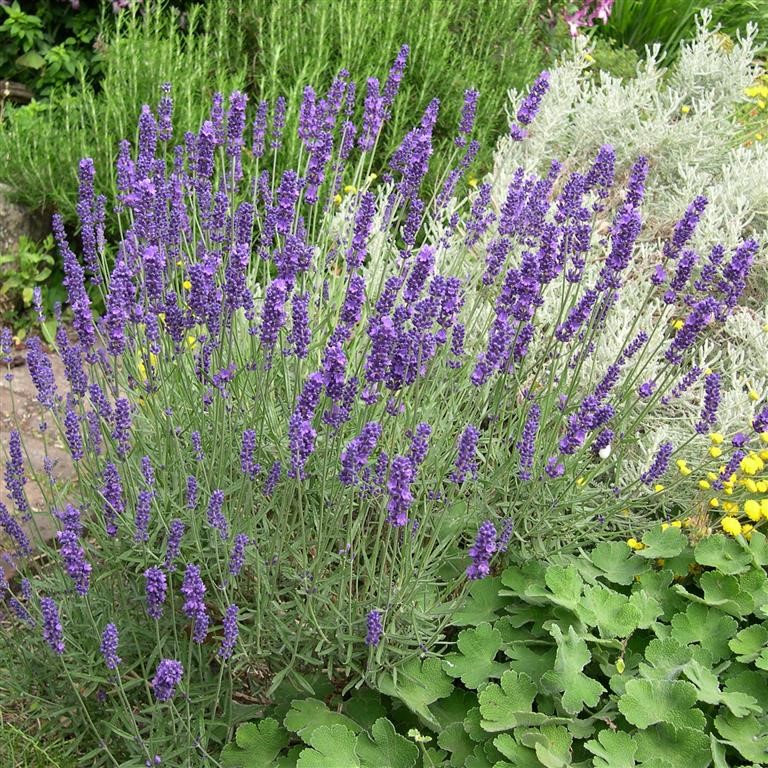
1. Lavender (Lavandula)
A top choice for bees and butterflies. Long flowering, fragrant, and drought‑tolerant.
👉 Browse Lavender Plug Plants
2. Salvia
Highly attractive to bees, with long flowering spikes and vibrant summer colour.
👉 Browse Salvia Plug Plants
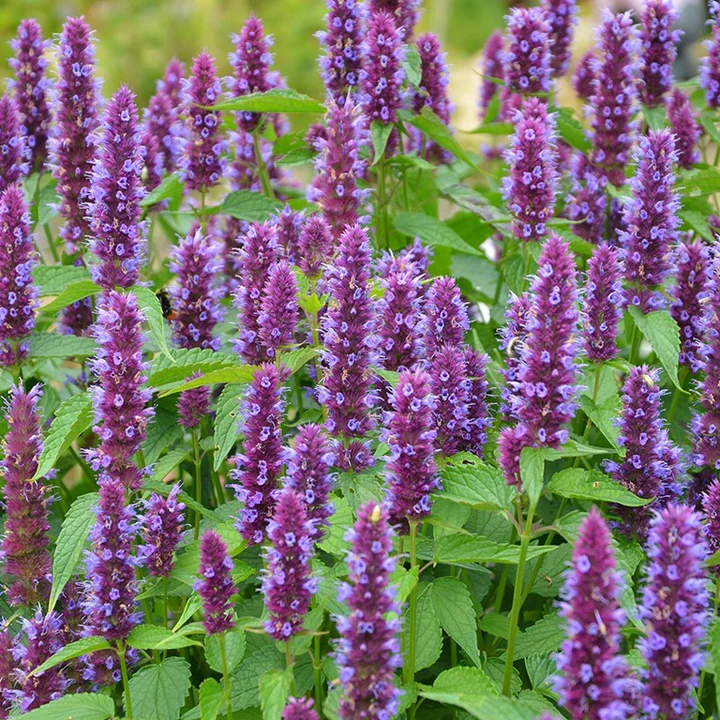
3. Agastache (Hyssop)
Produces nectar‑rich flowers over a long period, ideal for pollinators.
👉 Browse Agastache Plug Plants
4. Verbena (Bonariensis & Hybrids)
Tall, airy plants that butterflies love, adding height and movement.
👉 Browse Verbena Plug Plants
5. Eupatorium
A late‑season favourite for butterflies, providing height and structure.
👉 Browse Eupatorium Plug Plants
6. Echinacea (Coneflower)
Daisy‑like blooms rich in nectar, attracting bees all summer.
👉 Browse Echinacea Plug Plants
7. Campanula (Bellflower)
Reliable and easy to grow, offering accessible nectar for insects.
👉 View Campanula Plug Plants
8. Delosperma (Ice Plant)
Low‑growing and drought tolerant with bright, pollinator‑friendly flowers.
👉 Browse Delosperma Plug Plants
9. Primula (Primrose)
An early source of nectar, supporting pollinators in spring.
👉 Browse Primula Plug Plants
10. Hellebore (Winter Flowering)
Provides valuable nectar during colder months when little else is available.
👉 Shop Hellebore Plug Plants
How to Create a Pollinator‑Friendly Garden
To truly support wildlife, aim for continuous flowering through the seasons:
Spring
- Primula
- Early Hellebores
Summer
- Lavender
- Salvia
- Echinacea
- Delosperma
Autumn
- Eupatorium
- Verbena
Winter
- Hellebore
- Evergreen structure and shelter
Mix plant heights, shapes, and flowering times to create a layered, natural environment that supports a wide range of species.
Growing Tips for Pollinator Plants
- Plant in groups – easier for pollinators to spot
- Choose open flowers – easy access to nectar
- Avoid heavy feeding – keeps growth strong and natural
- Reduce pesticides – let beneficial insects do the work
- Provide water sources – shallow dishes or damp areas help
If you're starting with plugs, the Plug Plants Guide UK – How to Grow Strong, Healthy Plugs gives a simple step‑by‑step approach.
Why Use Plug Plants for Wildlife Gardens
Plug plants are ideal for establishing pollinator planting schemes:
- Cost‑effective for larger areas
- Easy to space and arrange
- Establish quickly in borders and containers
- Ideal for mixed planting designs
They allow you to build a wildlife‑friendly garden without overspending.
Start Planting for Pollinators Today
Build a garden that works with nature, not against it:
- Browse All Plants & Plug Plants
- Explore Lavender for Pollinators
- Read Lavender Planting & Care Guide


.png)