
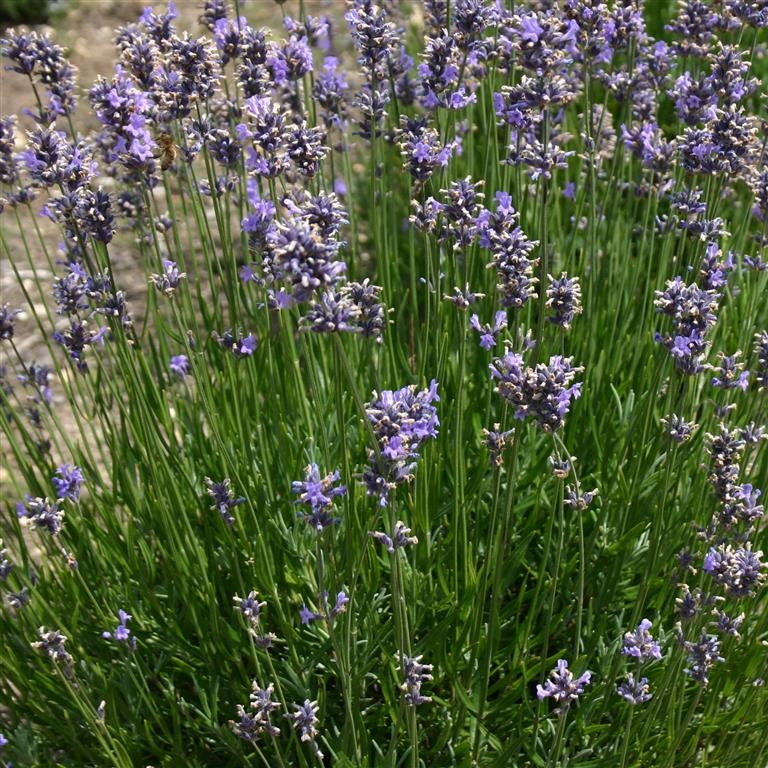
Lavender Plug Plants – Planting & Care Guide for UK Gardeners
Lavender plug plants are an easy, affordable way to bring scent, colour and pollinator‑friendly beauty into your garden. This guide explains why plug plants are ideal, how to plant them for strong establishment, and the best care techniques for long‑lasting, fragrant lavender displays.
Why Choose Lavender Plug Plants
Easy, Affordable & Reliable
Plug plants are young, pre‑rooted lavenders that establish quickly and cost far less than mature plants.
Perfect for Pots, Borders & Beds
Great for:
- Patio pots
- Raised beds
- Cottage‑style borders
- Mediterranean-style gardens
- Wildlife-friendly planting
Lavender draws bees and butterflies all summer long.
Beginner‑Friendly
Small plugs are easy to handle and grow strongly with minimal fuss.
How to Plant Lavender Plug Plants
1. Prepare the Soil
Lavender needs:
- Very well‑drained soil
- Full sun (at least 6 hours daily)
- Gritty compost if growing in pots
Avoid damp spots — lavender hates sitting in moisture.
2. Planting Steps
- Dig a hole slightly larger than the plug.
- Place the plant in at the same depth it grew in the tray.
- Backfill gently and firm the soil.
- Water lightly to settle roots.
3. Spacing
Leave 30–40 cm between plants for airflow and rounded growth.
Care Tips for Healthy Lavender
Watering
- Water lightly after planting
- Once established, water sparingly
- Overwatering is the number one cause of lavender problems
Feeding
Apply a light, balanced feed in spring only.
Too much fertiliser makes lavender leggy.
Pruning
Prune after flowering to:
- Keep plants bushy
- Encourage new growth
- Extend the plant’s lifespan
Avoid cutting into old, woody stems.
Common Problems & Solutions
Root Rot
Caused by overwatering or poor drainage.
Solution: Add grit, improve drainage, and reduce watering.
Leggy Lavender
Usually from lack of pruning or too little sunlight.
Solution: Move to a sunnier spot and prune annually.
Pests
Generally pest‑free but may attract:
- Spittlebugs
- Aphids
Treat with neem oil or simply hose off aphids.
Conclusion
Lavender plug plants offer a simple, cost‑effective way to fill your garden with fragrance, colour and pollinators. With the right planting conditions — plenty of sun, free‑draining soil and light pruning — your lavender will reward you with years of scented blooms.
FAQs
When is the best time to plant lavender plug plants?
Spring or early summer is ideal for strong root establishment.
Can lavender grow in pots?
Yes — use gritty compost and ensure excellent drainage.
How long do lavender plants last?
Typically 5–10 years with proper pruning and good drainage.
How often should I water lavender plugs?
Water lightly at planting, then sparingly throughout summer.
Does lavender need full sun?
Yes — it thrives in bright, sunny locations.


