
🌸 Introduction
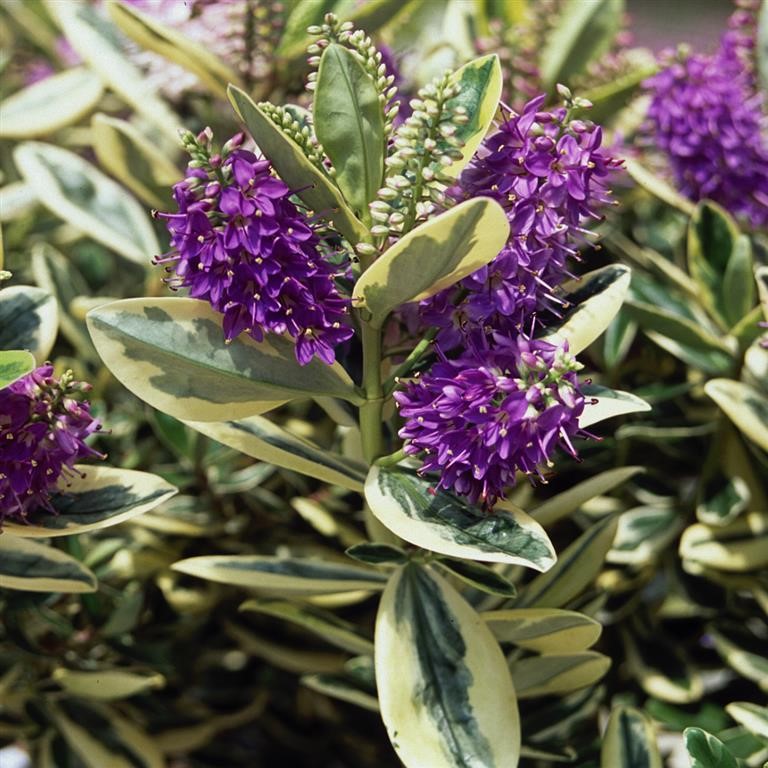
Hebe franciscana is an evergreen shrub native to New Zealand, valued in UK gardens for its glossy foliage and elegant white to pale‑lilac flower spikes. With the right care and placement, it becomes a long‑lived, low‑maintenance feature plant that works brilliantly in borders, coastal gardens, containers and wildlife‑friendly spaces. This guide explains exactly how to make the most of your Hebe franciscana in UK conditions.
🌞 1. Ideal Growing Conditions for Hebe franciscana
Hebe franciscana thrives in mild climates, making it well‑suited to much of the UK — especially coastal and southern regions.
Light Requirements
- Full sun gives the best flowering
- Tolerates partial shade, but may bloom less
Temperature & Climate
- Naturally adapted to mild, maritime climates
- Hardy in sheltered UK gardens
- In colder regions (North, Scotland, exposed areas), winter protection is recommended
Wind Tolerance
- Excellent for coastal gardens — salt‑tolerant and wind‑resistant
- In inland gardens, choose a sheltered position to avoid winter scorch
🌱 2. Soil & Watering
Soil Preferences
- Well‑drained soil is essential
- Slightly acidic to neutral pH
- Avoid heavy, waterlogged clay
Improving Soil for Clay Gardens
- Add grit or coarse sand
- Incorporate compost or leaf mould
- Create raised beds for better drainage
Watering
- Water regularly until established
- Once mature, Hebe franciscana is moderately drought‑tolerant
- Avoid overwatering — root rot is the main danger
✂️ 3. Pruning & Maintenance
Correct pruning helps Hebe franciscana maintain a neat shape and ensures strong flowering.
When to Prune
- Lightly prune after flowering (late summer)
- Avoid cutting back into old woody stems — they may not reshoot
How to Prune
- Remove around ¼ of the new growth
- Snip off spent flower spikes (deadhead)
- Shape lightly rather than hard prune
Why Pruning Matters
- Prevents legginess
- Encourages bushier growth
- Helps maintain a tidy, rounded form
🌼 4. Feeding & Mulching
Feeding
- Apply a balanced, slow‑release fertiliser in spring
- Avoid high‑nitrogen feeds (causes leafy growth but fewer flowers)
Mulching
- Mulch around the base in spring with bark or compost
- Helps retain moisture
- Improves soil structure
- Adds root protection for winter
🌿 5. Landscaping Uses
Hebe franciscana is highly versatile.
Where It Looks Best
- Coastal gardens
- Mixed ornamental borders
- Low evergreen hedging
- Front‑of‑border structure
- Containers for patios and terraces
Design Tips
- Use its glossy foliage as contrast with silver‑leafed plants
- Pair its pale flowers with vibrant perennials like lavender or echinacea
- Combine with heathers, sedums or ornamental grasses for texture and year‑round interest
🐛 6. Pests & Disease Management
Common Pests
- Aphids — treat with soapy water or neem
- Slugs/snails — especially on young plants
Diseases
- Root rot caused by poor drainage
- Occasional fungal issues in overcrowded plantings
Prevention
- Ensure airflow
- Improve drainage
- Water at the base, not overhead
🌱 7. Propagation
Best Method: Semi‑hardwood Cuttings
- Take in late summer
- Insert into gritty compost
- Keep in indirect light until rooted
Seed Propagation
- Possible, but seedlings may not be identical to the parent form
❄️ 8. Seasonal Care (UK‑Specific)
Spring
- Fertilise lightly
- Check for winter damage
- Trim lightly if needed
Summer
- Water in drought
- Deadhead spent flowers
Autumn
- Reduce watering
- Mulch lightly in colder regions
Winter
- Protect with fleece during harsh frost
- Move containers to sheltered walls or unheated greenhouses
🐝 9. Wildlife Benefits
- Hebe franciscana attracts bees, butterflies and hoverflies
- Evergreen structure provides winter shelter for insects
- Excellent addition to wildlife‑focused gardens
❓ FAQs
Is Hebe franciscana fully hardy in the UK?
Mostly — but winter wet is the main risk. Provide shelter and drainage.
Does it grow well in containers?
Yes, provided you give excellent drainage and regular watering.
How tall does it grow?
Typically 2–3ft tall and wide.
Why isn't my Hebe franciscana flowering?
Usually due to shade, poor pruning timing, or excess nitrogen.


