
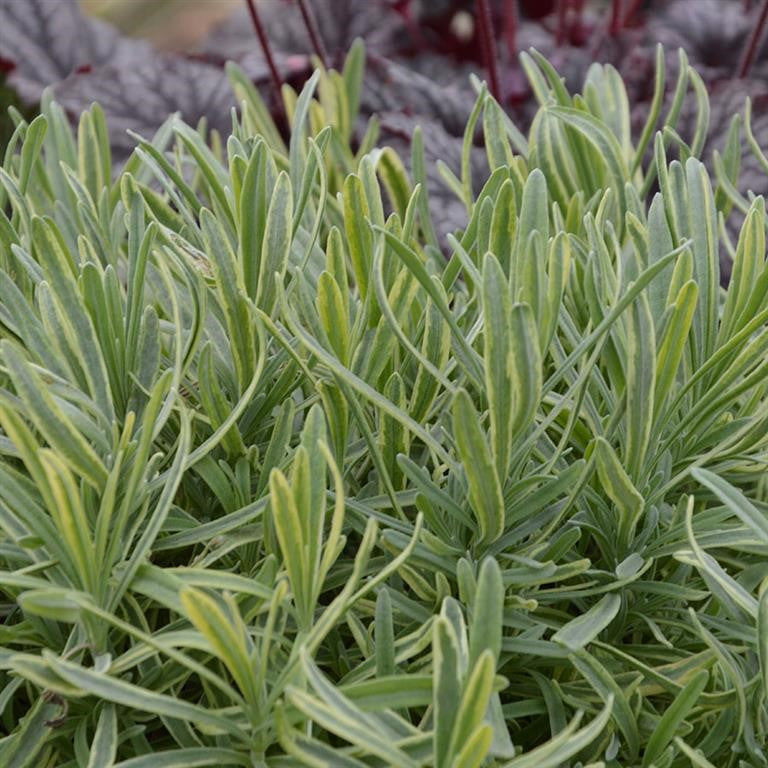
Lavandula angustifolia ‘Platinum Blonde’ – Growing Guide
Lavandula angustifolia ‘Platinum Blonde’ is a striking variegated lavender known for its fragrant flowers and cream‑edged foliage. Perfect for sunny borders, cottage gardens and wildlife‑friendly planting, this hardy herb thrives with minimal care. Here’s how to plant, prune, water and maintain ‘Platinum Blonde’ for long‑lasting beauty and scent.

Choosing the Right Location
‘Platinum Blonde’ lavender needs full sun, ideally receiving 6+ hours of direct sunlight daily.
It grows best in:
- Well‑drained sandy or gravelly soils
- Low‑fertility ground (too much richness reduces fragrance)
- Raised beds, gravel gardens, or Mediterranean‑style borders
Avoid heavy clay or waterlogged soil — moisture around the roots is the quickest way to kill lavender.
Planting Lavandula ‘Platinum Blonde’
Best Planting Time
- Spring or early autumn, when temperatures are mild and rainfall is reliable.
Spacing
- Space plants 18–24 inches (45–60cm) apart to maintain airflow and prevent fungal issues.
Planting Depth
- Plant at the same depth as in the pot.
- Ensure the crown sits slightly above soil level to avoid rot.
Pro tip: Add a handful of horticultural grit into the planting hole to improve drainage.
Watering
After Planting
- Water deeply to settle the roots.
Long‑Term Care
- Water sparingly.
- Allow the soil to fully dry between waterings.
- Once established, lavender becomes drought tolerant.
Overwatering is the #1 cause of lavender failure — dry is better than damp.
Mulching
Mulch lightly around the base with:
- Gravel
- Grit
- Small decorative stones
Avoid bark chips and moisture‑retentive composts.
Keep mulch away from the stems to prevent rot.
Feeding
Lavender requires very little feeding.
- Apply a light, balanced fertiliser in early spring only.
- Too much fertiliser = leggy growth + fewer flowers.
Pruning Lavandula ‘Platinum Blonde’
Best Time to Prune
- Late summer after flowering (light shape trim)
- Late winter or early spring (main structural prune)
How to Prune
- Cut back about one‑third of the growth
- Never cut into bare woody stems
- Remove dead, weak, or frost‑damaged stems in spring
Consistent pruning keeps lavender compact, bushy, and floriferous.
Pest & Disease Management
Lavender is naturally pest‑resistant, but keep an eye out for:
- Aphids
- Spider mites
Treat early with a gentle spray or soapy water.
Prevent disease by ensuring:
- Good airflow
- Well‑drained soil
- No excessive watering
Fungal issues occur only when roots sit wet.
Winter Care
‘Platinum Blonde’ is hardy, but benefits from protection in colder regions.
- Apply a light gravel mulch over the root zone
- Ensure soil drains freely
- Avoid winter wet at all costs
In exposed gardens, a fleece cover during severe frost helps protect new growth.
Why Grow ‘Platinum Blonde’?
- Variegated, eye‑catching foliage
- Classic lavender fragrance
- Long flowering season
- Loved by bees and pollinators
- Compact and ideal for borders, pathways, and pots
FAQs
Is ‘Platinum Blonde’ lavender hardy?
Yes — it is hardy in most UK regions but dislikes winter wet. Provide good drainage and light protection if necessary.
Can I grow this lavender in pots?
Absolutely. Use a gritty compost mix and avoid overwatering.
How tall does it grow?
Around 45–60cm tall and wide when mature.
Why is my lavender getting woody?
Lavender becomes woody without regular pruning. Trim lightly each year to maintain shape.
Does it attract bees?
Yes — lavender is one of the best plants for pollinators.


