
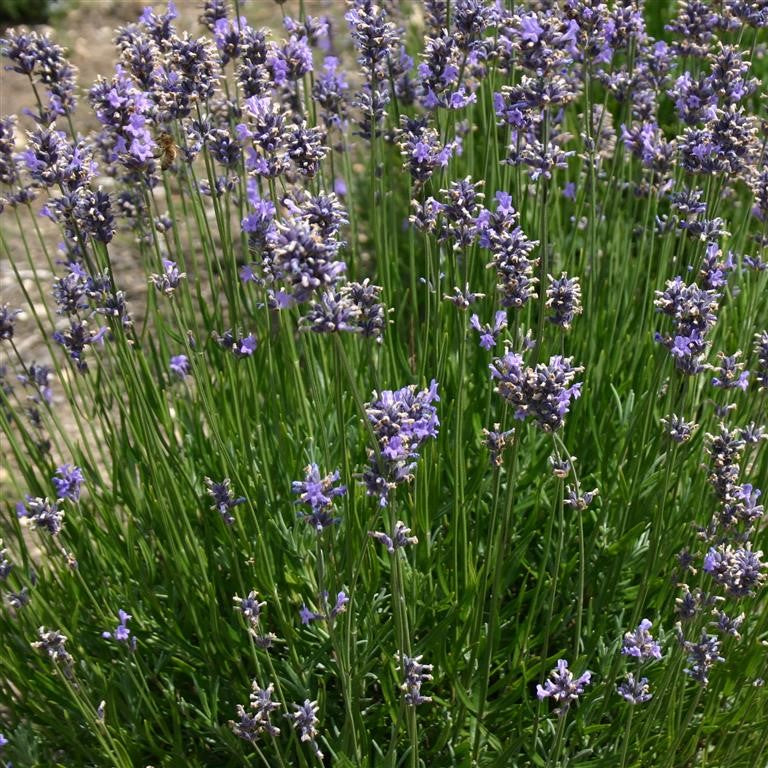
Lavandula angustifolia ‘Munstead’ – Growing Guide
Lavandula angustifolia ‘Munstead’ is one of the most reliable, compact English lavenders—ideal for borders, pots, pathways, and pollinator‑friendly gardens. Here’s how to plant, maintain, prune, and harvest it for years of fragrant blooms.

Overview
‘Munstead’ is a compact, early‑flowering English lavender with fragrant blue‑violet blooms and fine, grey‑green foliage. Hardy, drought‑tolerant, and long‑lived, it’s perfect for low‑maintenance, Mediterranean‑style gardens.
Common Name: Munstead Lavender
Family: Lamiaceae
Type: Perennial Herb
1. Site Selection
Sunlight
- Full sun: At least 6–8 hours daily for best flowering.
Soil
- Needs well‑drained soil
- Prefers sandy or loamy textures
- Avoid heavy clay unless improved for drainage
2. Soil Preparation
pH Range
- Slightly alkaline to neutral (6.5–7.5)
Amendments
- Add grit or sharp sand if needed for drainage
- Mix in compost or well‑rotted manure lightly (lavender dislikes overly rich soils)
3. Planting
Spacing
- Plant 12–18 inches apart for airflow and shape
Depth
- Plant at the same depth as it was in its nursery container
4. Watering
Initial Care
- Water well after planting to settle roots
Ongoing Watering
- Water deeply but infrequently
- Allow soil to dry between waterings
- Once established, lavender thrives in drier conditions
5. Fertilising
When
How
- Use a low‑nitrogen fertiliser
- Avoid excess feeding—too much nitrogen = floppy, leafy growth and fewer flowers
6. Pruning
Best Time
- Late winter or early spring before new growth
How to Prune
- Cut back one‑third of the plant
- Avoid cutting into old woody stems
- Aim to maintain a compact, dome shape which prevents splitting
7. Pests & Disease Management
Common Issues
- Root rot from poor drainage
- Occasional fungal problems in humid weather
Pests
- Generally pest‑resistant
- May see aphids or spider mites—treat with water spray or organic soap if needed
8. Harvesting
When
- Harvest flowers when fully open for maximum fragrance
- Morning harvest is best when oils are at their peak
How
- Cut stems cleanly above a leaf node
9. Uses
Culinary
- Lavender sugar, biscuits, syrups, teas
Aromatherapy
- Ideal for oils, sachets, pillow blends, potpourri
Landscaping
- Perfect for:
- Path edging
- Mediterranean borders
- Gravel gardens
- Wildlife‑friendly gardens (pollinator magnet!)
10. Hardiness
- Hardy in USDA zones 5–9
- In very wet winters, ensure excellent drainage or plant on a mound
Additional Tips
Companion Plants
- Rosemary
- Sage
- Thyme
- Other drought‑tolerant herbs
Mulching
- Use gravel or stone mulch to reflect heat and aid drainage
FAQs
Is Munstead Lavender good for pots?
Yes—ensure excellent drainage and use gritty compost.
How tall does it grow?
Typically 30–45 cm tall with a similar spread.
Does it flower in its first year?
Often yes, especially if planted in spring.
Why is my lavender getting woody?
Lack of annual pruning—cut back lightly each year to maintain shape.