
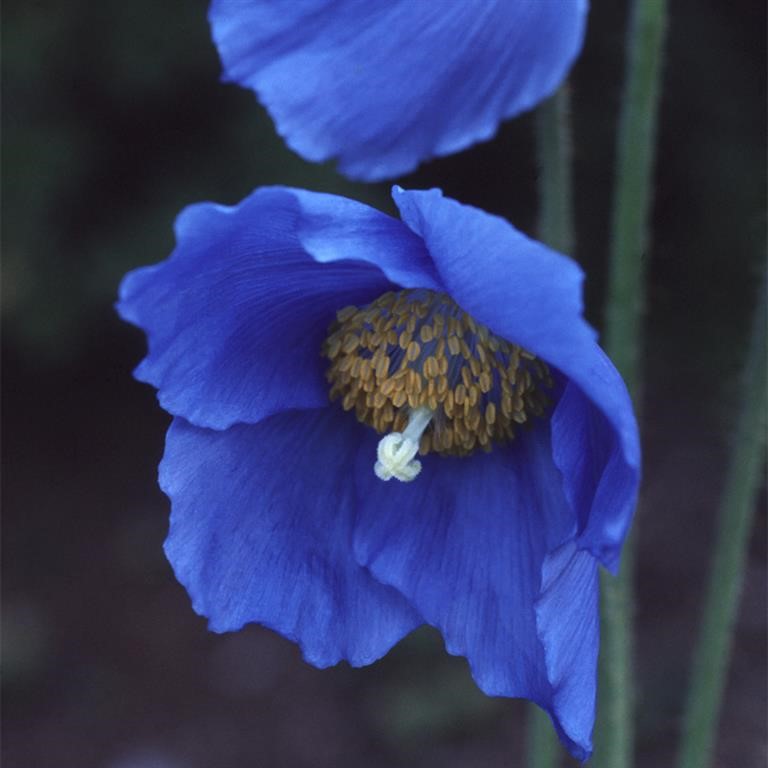
Meconopsis ‘Lingholm’ – A Complete Growing Guide for the Himalayan Blue Poppy
Meconopsis ‘Lingholm’, known as the Himalayan Blue Poppy, is one of the most extraordinary and sought‑after shade plants. Its vivid sapphire‑blue blooms are unlike anything else in the garden, making it a show‑stopping addition to cool, moist, sheltered borders. Although often considered a little challenging, the right conditions make this perennial surprisingly rewarding. Here’s everything you need to grow Meconopsis ‘Lingholm’ successfully.

About Meconopsis ‘Lingholm’
- Common Name: Himalayan Blue Poppy
- Family: Papaveraceae
- Hardiness: USDA zones 5–8
- Habit: Clump‑forming perennial
- Flowering: Late spring to early summer, depending on site
This cultivar is prized for its reliable perennial habit and large, intensely blue, silky blooms.
Best Location for Planting
Light
- Prefers partial shade to full shade
- Avoid strong afternoon sun which scorches delicate foliage
Soil
- Moist, humus‑rich, well‑draining soil
- Slightly acidic to neutral (pH 6.0–7.0)
- Add compost, leaf mould, or well‑rotted bark to create a woodland-style loam
Shelter
- Choose spots sheltered from wind
- Ideal near fences, shrubs, or woodland edges
How to Plant Meconopsis ‘Lingholm’
Timing
- Plant in spring or autumn
- Cool weather helps roots establish
Spacing
- Space 18–24 inches apart
- Allows airflow and room for clumps to expand
Depth
- Plant at the same depth as the container soil line
- Firm gently and water thoroughly
Watering
Frequency
- Keep soil consistently moist
- Never allow soil to dry out completely — these plants dislike drought
Method
- Water at the base
- Avoid wetting foliage to reduce fungal issues
Feeding & Fertilising
- Use a balanced, slow‑release fertiliser in early spring
- A second light feed in mid‑summer can encourage fresh growth
- Avoid strong, nitrogen‑heavy feeds which promote leafiness over flowering
Maintenance
Mulching
- Apply leaf mould, compost, or fine bark to retain moisture
- Helps mimic their natural woodland habitat
Deadheading
- Remove spent flowers to tidy the plant
- Can encourage a second flush if conditions are right
Pests & Diseases
Common Pests
- Slugs
- Snails
- Occasionally aphids
Use organic controls such as wool pellets, beer traps, or nematodes.
Diseases
- Powdery mildew may occur in overly dry or crowded spots
- Improve airflow, water regularly, and avoid overhead watering
Winter Care
- Fully hardy but benefits from mulch around the crown to protect roots
- In very cold climates, apply extra leaf mulch or fleece
Propagation
Seeds
- Sow in late winter indoors or spring outdoors
- Fresh seed has higher germination success
- Requires cool stratification
Division
- Rarely divided, but can be carefully split in early spring if clumps grow large
Companion Plants
Meconopsis ‘Lingholm’ pairs beautifully with:
- Ferns
- Hostas
- Astilbes
- Tiarella
- Primula japonica
- Brunnera
These all enjoy similar damp, shaded conditions.
Patience Pays Off
Meconopsis ‘Lingholm’ often takes 2–3 years to fully establish and flower well — but when the iconic blue blooms finally appear, the wait is worth it.
Conclusion
With rich soil, regular moisture, dappled shade, and a little patience, Meconopsis ‘Lingholm’ becomes one of the most breathtaking plants in any woodland or shade garden. Grow it well, and it will reward you with unforgettable sky‑blue flowers year after year.
FAQs – Meconopsis ‘Lingholm’
1. Is Meconopsis ‘Lingholm’ hard to grow?
It needs the right conditions — shade, moisture, and rich soil — but once established, it’s surprisingly reliable.
2. How much shade does it need?
Partial to full shade is ideal. Avoid strong sunlight.
3. Will it grow in containers?
Yes, if kept consistently moist and placed in deep shade.
4. How long before it flowers?
Often 2–3 years after planting, depending on conditions.
5. Should I deadhead it?
Yes — it helps tidy the plant and sometimes encourages extra blooms.
6. When should I plant Meconopsis plug plants or pots?
Spring or autumn, during cool weather.
7. What pests should I watch for?
Slugs and snails are the main issue — protect young shoots.
8. Does it like acidic soil?
Yes, slightly acidic to neutral soil (pH 6.0–7.0) works best.


