
Musa (Banana Plants): The Ultimate Guide to Growing Tropical Drama in UK Gardens
Musa plants deliver instant tropical impact with their huge architectural leaves, fast summer growth and bold jungle presence. Whether you choose hardy Musa basjoo or striking ornamental types like Musa sikkimensis ‘Bengal Tiger’, these bananas transform gardens, patios and containers. With the right care and winter protection, they thrive brilliantly in UK conditions.
Why Grow Musa?
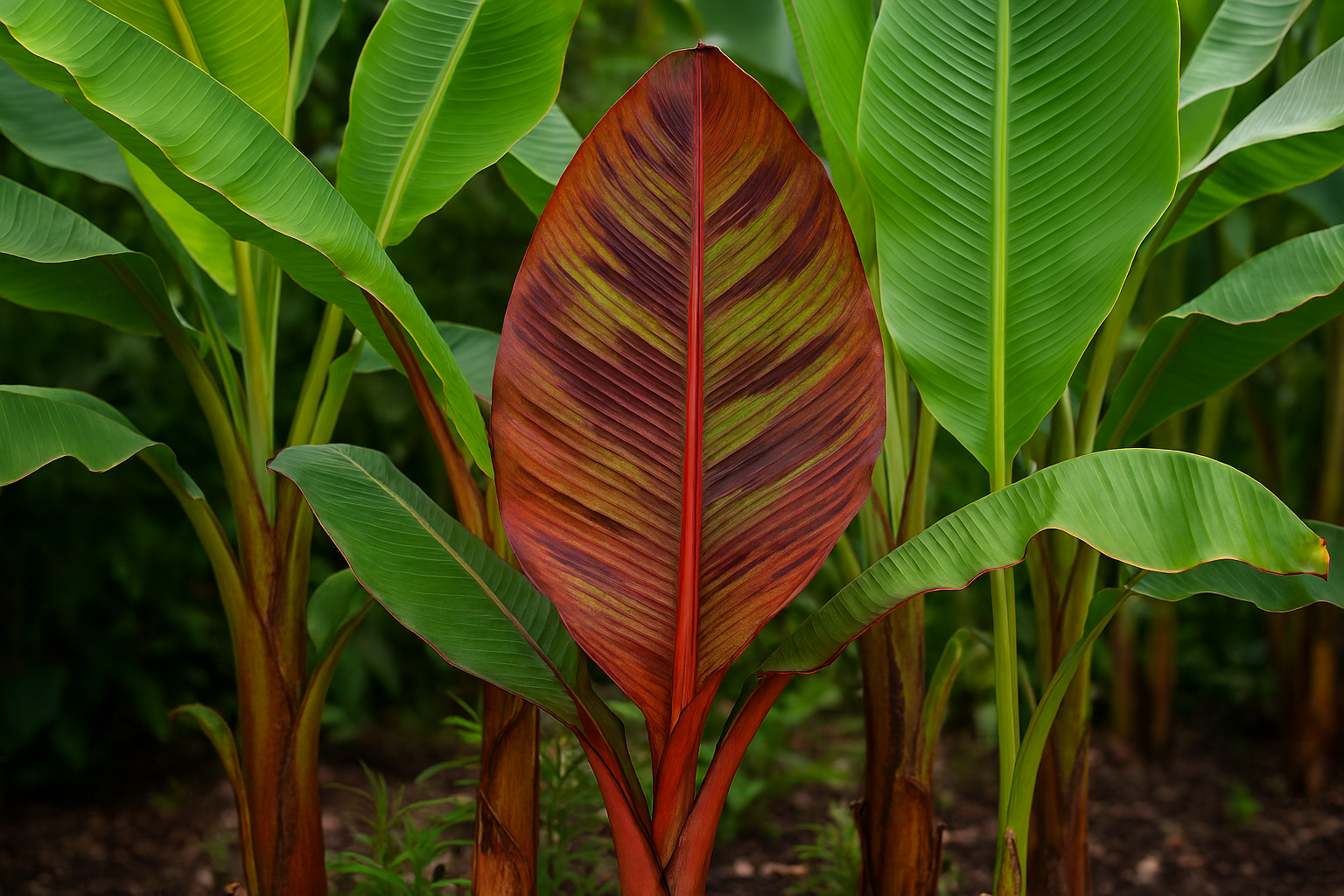
Musa (banana plants) are some of the most dramatic exotics you can grow in the UK. Their huge, paddle‑shaped leaves create movement, height and lush texture, turning ordinary borders into tropical escapes.
Explore all Musa plants available at Dartana:
👉 Musa – Full Banana Plant Collection
If you want something extra bold, try the stunning variegated option:
👉 Musa sikkimensis ‘Bengal Tiger’ Plug Plant Pack
Key Features of Musa Plants
- Huge tropical leaves for maximum drama
- Fast growth during warm months
- Suitable for borders, pondsides, patios and large containers
- Some varieties, like Musa basjoo, are hardy with protection
- Perfect structural plant for jungle‑style design
Popular Musa Varieties
Musa basjoo (Hardy Banana)
- The most cold‑tolerant banana for UK gardens
- Produces large lush leaves and fast summer growth
- Survives winter with protection and re‑sprouts strongly in spring
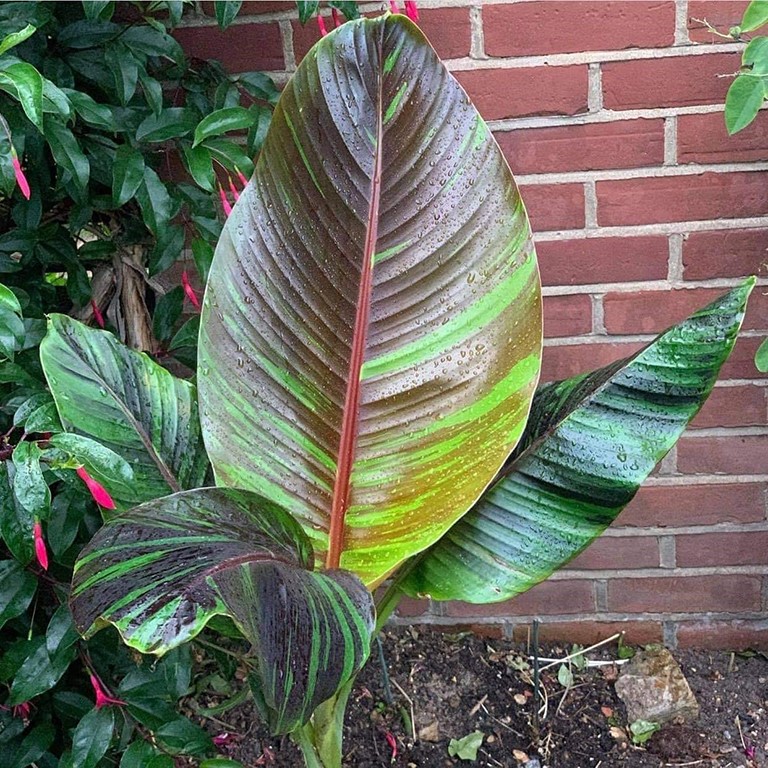
Musa sikkimensis ‘Bengal Tiger’
- Striking red‑striped foliage on young leaves
- Creates tall, tree‑like specimens
- Best grown in sheltered, sunny positions
👉 Buy it here: Bengal Tiger Plug Plant Pack – Dartana
Musa ‘Dwarf Cavendish’
- Compact variety
- Ideal for conservatories and indoor jungle corners
Where Musa Thrives Best
Light
- Full sun outdoors for maximum growth
- Bright, indirect light indoors
(From Musa growing guides: these plants thrive in full sun and warm conditions with good shelter.)
Soil
- Rich, fertile soil with excellent drainage
- Add compost or organic matter to improve water retention
Water
- Keep soil consistently moist during summer
- Avoid waterlogging
Shelter
- Protect leaves from strong winds to prevent shredding
How to Plant Musa
In Containers
- Choose large pots to support rapid growth
- Use a rich, free‑draining mix with added compost
- Feed weekly in summer with high‑nitrogen fertiliser
In the Ground
- Plant in full sun or light shade
- Select a sheltered spot
- Dig deep and enrich soil with compost
- Space generously to allow for wide leaves and tall stems
Winter Protection
Musa is tropical by nature, but hardy varieties can overwinter with protection.
For Musa basjoo (UK‑hardy banana):
- Mulch around the base
- Wrap trunks with fleece
- Cover crowns to prevent freezing
For ornamental Musa varieties:
- Lift container plants indoors
- Keep somewhere cool, dry, and frost‑free
Design Ideas
Tropical Borders
Combine Musa with:
- Colocasia
- Cannas
- Hardy ferns
- Persicaria
- Large grasses
Patio Containers
Create dramatic statement pots with bananas surrounded by trailing annuals.
Pondside Planting
Large leaves give a lush jungle feel beside water.
Common Problems
- Yellow leaves: often too much water or cold temperatures
- Shredded foliage: wind exposure
- Slow growth: lack of warmth or feed
FAQs
Q: Will Musa survive winter outdoors?
Hardy varieties like Musa basjoo can, with protection. Ornamentals may need lifting or fleece wrapping.
Q: How tall will Musa grow?
Depending on variety:
- Musa basjoo: 10–14ft in one season
- Musa sikkimensis types: 6–10ft
- Dwarf varieties: 3–6ft indoors
Q: Can Musa grow indoors?
Yes — especially dwarf varieties. Provide warmth, humidity and bright light.
Q: Do Musa plants fruit in the UK?
Rarely outdoors. Indoor dwarf types may fruit under excellent conditions.


.png)


