Potentilla: The Ultimate UK Guide to Planting, Pruning & Growing Shrubby Cinquefoil
Potentilla (shrubby cinquefoil) is one of the UK’s most reliable, long‑flowering shrubs, thriving in sunny borders with almost no maintenance. This guide covers planting, pruning, winter care, the best varieties for small gardens, and solutions to common problems — everything you need to keep this hardy shrub performing beautifully year after year.
What Is Potentilla?
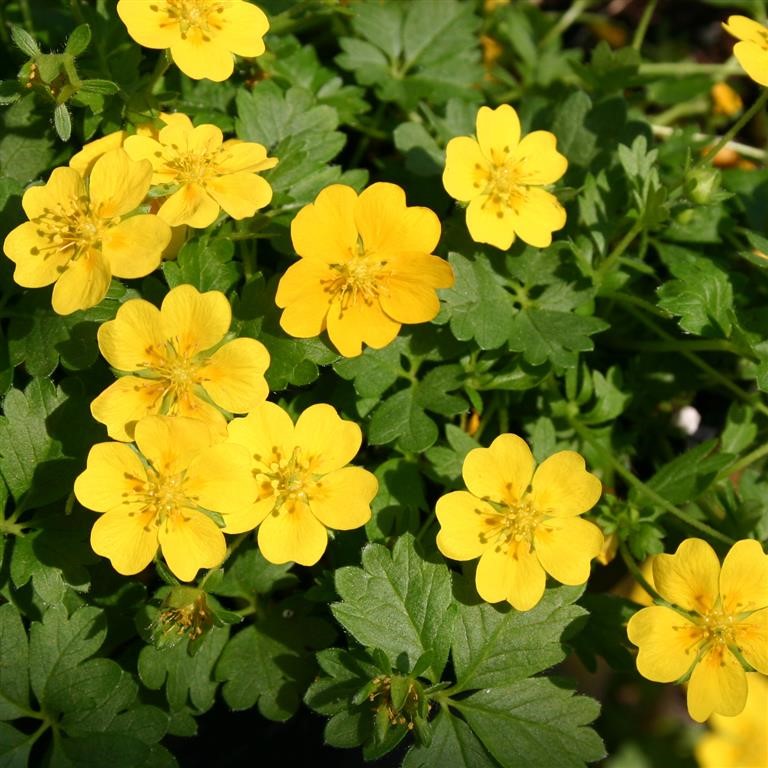
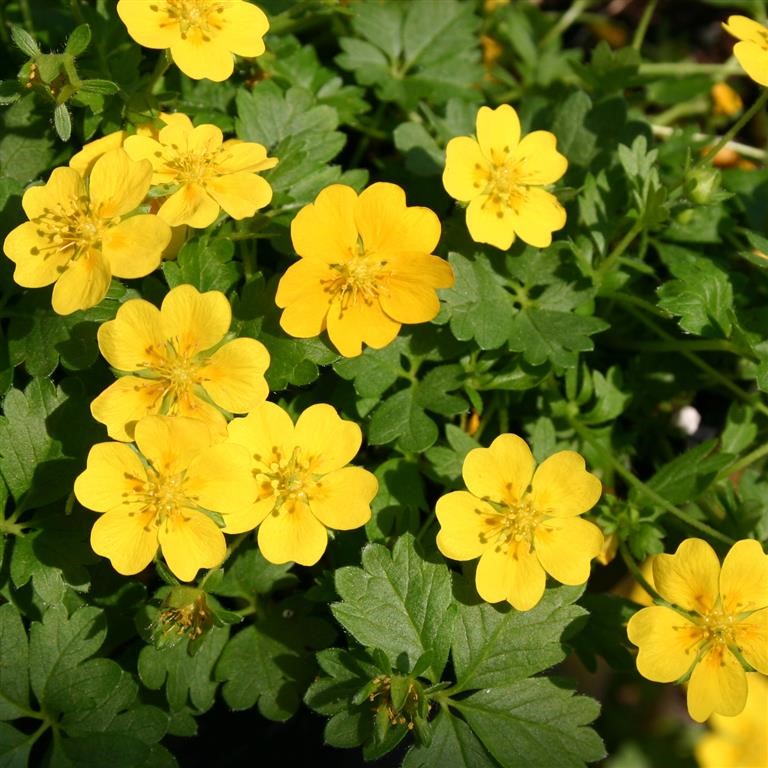
Potentilla, often called shrubby cinquefoil, is a compact deciduous shrub known for its masses of bright, saucer‑shaped flowers appearing from late spring through autumn. Its ability to tolerate drought, poor soils and exposed positions makes it a favourite among UK gardeners looking for reliable colour with minimal fuss.
Where Does Potentilla Grow Best?
Potentilla thrives in full sun and well‑drained soil, although it will still perform in light shade. It’s ideal for:
- Fronts of borders
- Low informal hedges
- Mixed shrub beds
- Cottage gardens
- Rock gardens
- Wildlife‑friendly plantings
- Patio containers (with free‑draining compost)
Avoid waterlogged areas — Potentilla prefers conditions on the dry side.
How to Plant Potentilla
Best Time to Plant
Autumn or early spring gives Potentilla the longest settling‑in period, but it can be planted at any point when the ground isn’t frozen or waterlogged.
Planting Steps
- Dig a hole twice as wide as the rootball.
- Set the plant so the crown is level with the surrounding soil.
- Backfill with the original soil and firm gently.
- Water thoroughly to settle the soil.
- Add a thin layer of mulch (not touching the stems) to conserve moisture.
Spacing
- Hedges: 60–90 cm apart
- Individual plants: Space to allow at least 60–120 cm spread depending on variety
Potentilla Care: A Simple UK Routine
Watering
- Water regularly for the first season.
- Once established, Potentilla is drought‑tolerant and only needs watering in extended dry periods.
Feeding
- One light feed in spring with a balanced shrub fertiliser is sufficient.
- Avoid heavy feeding — Potentilla blooms better in slightly lean soil.
Mulching
- Apply a thin mulch yearly to help retain moisture and suppress weeds.
Pruning Potentilla: When and How
When to Prune
- Late winter to early spring is ideal, just before new growth begins.
How to Prune
- Remove weak or dead stems.
- Reduce older stems by around one‑third.
- Thin congested branches to improve airflow.
- For rejuvenation, mature shrubs can be cut back hard — they bounce back strongly.
Regular light pruning encourages fresh growth and heavier flowering.
Potentilla Varieties Worth Considering
Goldfinger (Yellow)
A classic favourite with bright yellow blooms and a bushy, compact shape — perfect for low hedges and border fronts.
Abbotswood (White)
Pure white flowers on tidy growth. Excellent in cottage gardens or against darker planting schemes.
Red Ace (Orange‑Red)
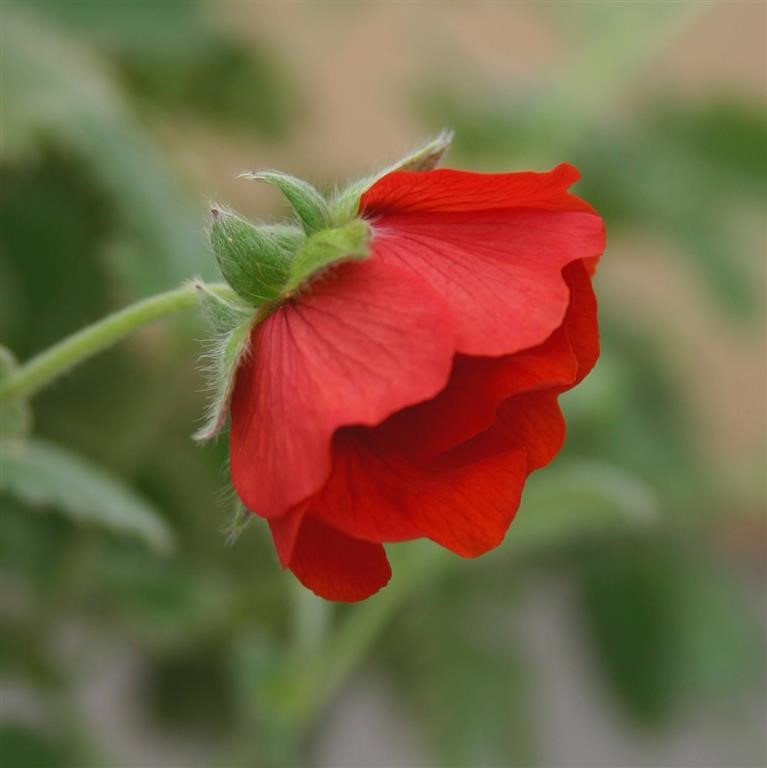
Warm, vibrant tones with colour that deepens through the season — ideal for adding contrast.
Tangerine (Apricot‑Orange)
A softer, sunset‑toned shrub that pairs beautifully with blues and purples in mixed borders.
Common Problems & Solutions
Pale or Yellowing Leaves
Often caused by waterlogging or heavy shade. Improve drainage and move to a sunnier location if possible.
Weak Flowering
Usually down to insufficient light or overly rich soil. Reduce feeding and ensure at least 5–6 hours of sun.
Leggy Growth
Indicates it’s ready for a prune. Cut back harder in late winter to encourage a fuller shape.
Pink Varieties Fading
Some pink cultivars naturally fade in bright sun. Light afternoon shade can help retain colour.
Frequently Asked Questions
Can Potentilla grow in pots?
Yes — choose a large container with good drainage and use a peat‑free, free‑draining compost. Water in dry spells and prune lightly to maintain shape.
Is Potentilla drought‑tolerant?
Once established, very much so. Its deep root system allows it to cope well with dry conditions.
Does Potentilla lose its leaves in winter?
Yes. Most varieties are deciduous and drop leaves before bouncing back in spring.
When does Potentilla flower?
From late spring right through to autumn, often with peak colour in midsummer.
Does Potentilla attract wildlife?
Absolutely — its open, nectar‑rich blooms are loved by bees and other pollinators.