
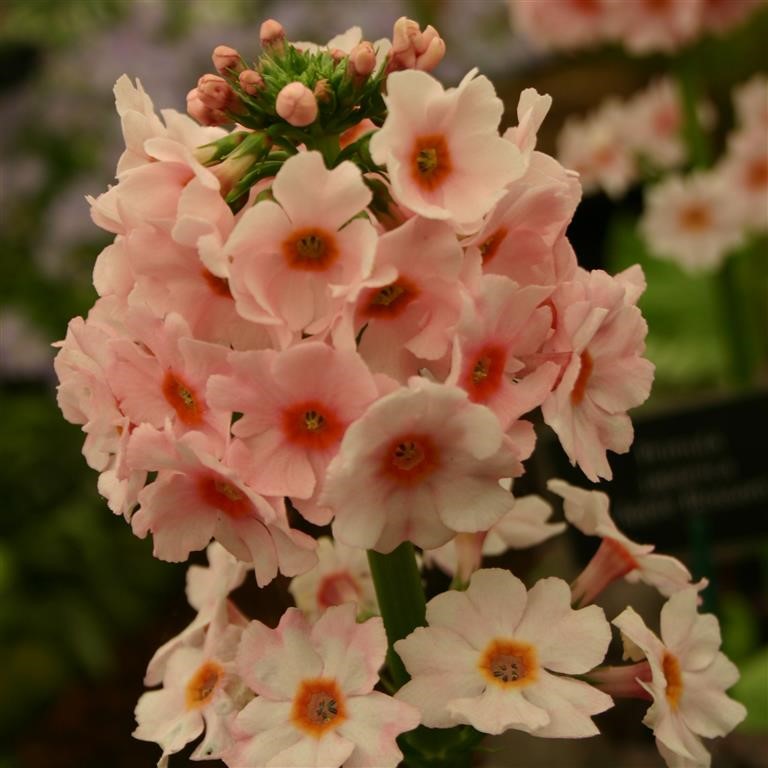
Primula: The Complete UK Guide to Planting, Growing & Choosing the Best Varieties
Primulas are among the UK’s brightest, earliest‑flowering perennials, bringing vivid colour to spring borders, woodland edges and damp, shaded areas. This guide covers planting, feeding, dividing, the best varieties for your garden, and simple fixes for common issues — plus embedded links to Dartana’s Primula resources for deeper growing tips.
What Are Primulas?
Primulas include primroses, cowslips and a wide range of hybrid forms. Loved for their early spring colour, compact size and ability to thrive in moisture‑retentive, partially shaded positions, they’re an essential perennial for brightening borders, containers and wildlife‑friendly gardens.

Where Primulas Grow Best
Primulas prefer cool, moist, part‑shaded spots with humus‑rich, well‑draining soil. Excellent places to plant include:
- Woodland edges
- North‑ or east‑facing borders
- Moist rock gardens
- Containers with peat‑free, moisture‑retentive compost
- Alongside fern, hosta and shade‑loving combinations
For deeper guides, you can link internally to your Dartana plant info pages (example placeholder):
More Primula tips at Dartana Plants:
How to Plant Primulas
Best Time to Plant
Autumn and early spring give the best root establishment, but Primulas can be planted whenever the ground isn’t frozen or waterlogged.
Step‑by‑Step Planting
- Improve the soil with compost or leaf mould.
- Plant at the same depth as the original pot.
- Firm lightly and water in well.
- Mulch around the crown to retain moisture.
Spacing
Space plants 15–25 cm apart depending on the variety.
Care Guide: Keeping Primulas at Their Best
Watering
Keep the soil moist, especially in spring and dry spells — Primulas dislike drying out fully.
Feeding
Apply a light, balanced fertiliser in early spring and again after flowering for fresh leafy growth.
Deadheading
Remove spent blooms to prolong flowering and prevent the plant diverting energy into seed.
Dividing
Every 2–3 years, divide clumps in autumn or early spring to rejuvenate growth and multiply your stock.
Best Primula Varieties for UK Gardens
Primula vulgaris (Wild Primrose)
Soft, lemon‑yellow native blooms perfect for naturalistic plantings.
Primula ‘Gigas’
Large, bold flowers ideal for dramatic spring colour.
Dartana Guide:
Primula auricula varieties
Compact rosettes with bold, often bicolour blooms — superb for pots and display staging.
Primula denticulata (Drumstick Primula)
Spherical flower heads in pinks, lilacs and whites; thrives in moist soil and partial shade.
Primula japonica (Candelabra Primula)
Tiered flower whorls in vibrant shades, a standout in damp borders or by ponds.
Troubleshooting Primulas
Leaves Yellowing
Often caused by poor drainage or insufficient moisture. Improve soil structure and water consistently.
Poor Flowering
Usually due to too much shade or depleted soil. Provide dappled light and feed lightly in spring.
Crown Rot
Caused by waterlogging. Add grit or compost to improve drainage and avoid burying crowns too deeply.
Vine Weevil Damage
Check for notched leaves or root damage. Use biological controls or replace compost in pots annually.
Frequently Asked Questions
Are Primulas perennial?
Yes — most Primulas are hardy perennials and reappear each spring.
Can Primulas grow in full sun?
They prefer partial shade, but can tolerate morning sun if soil remains moist.
Do Primulas spread?
Many quietly naturalise, forming small clumps that can be divided or left to fill shaded borders.
Can Primulas grow in pots?
Absolutely — choose moisture‑retentive compost and keep well‑watered in dry spells.
When do Primulas flower?
Most bloom from early spring into late spring, with some varieties continuing into early summer.


.png)


