Primula japonica ‘Alba’ — Elegant Tiered White Candelabra for Moist, Shaded Gardens
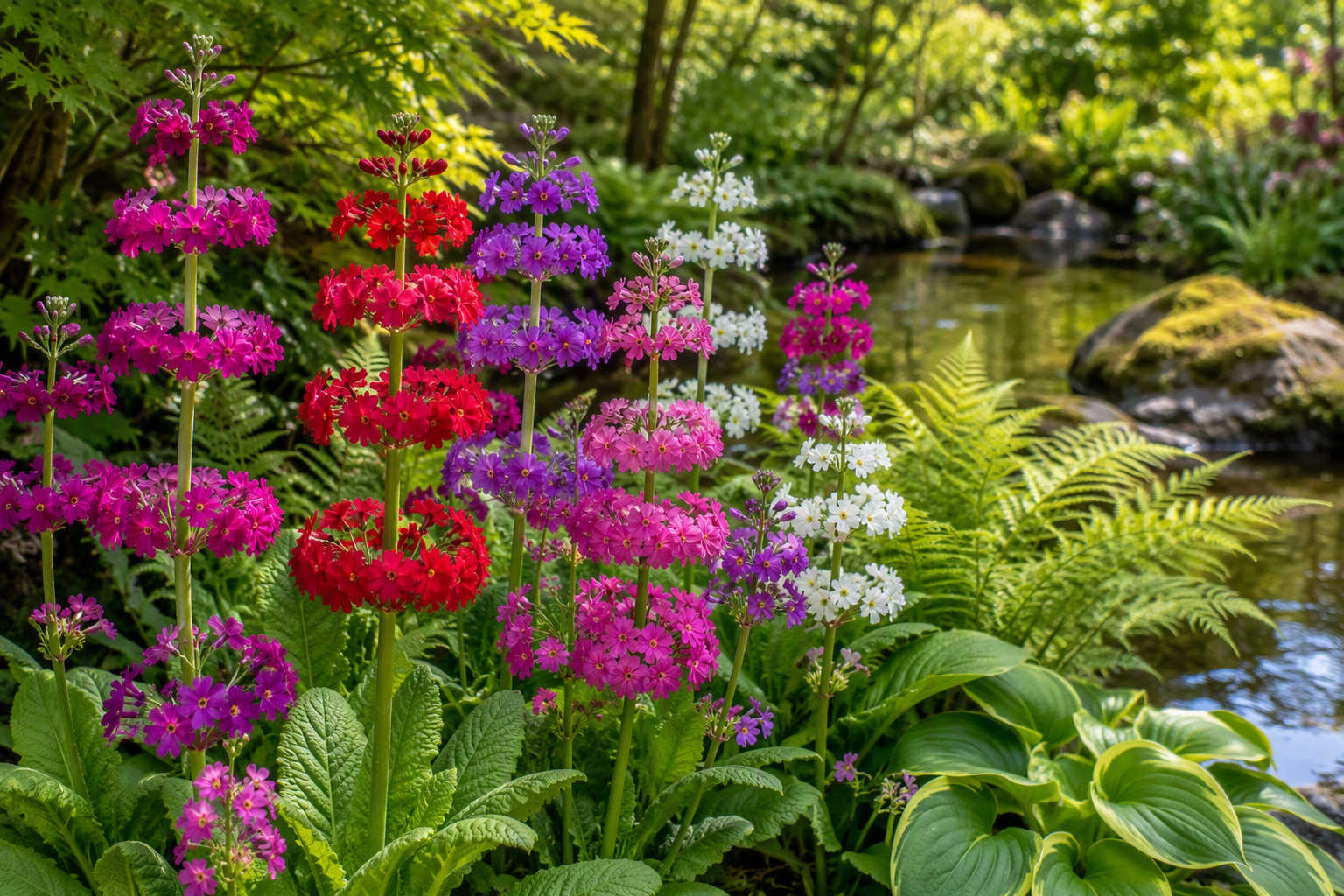
Primula japonica ‘Alba’ is a serene, pure‑white candelabra primula that thrives in cool, moist, lightly shaded gardens. Rising in graceful tiers above lush green rosettes, it delivers long-lasting spring–early summer colour beside ponds, streams, woodland edges and damp borders—ideal for calm, structured planting schemes.
Why Primula japonica ‘Alba’ Deserves a Space in Your Garden
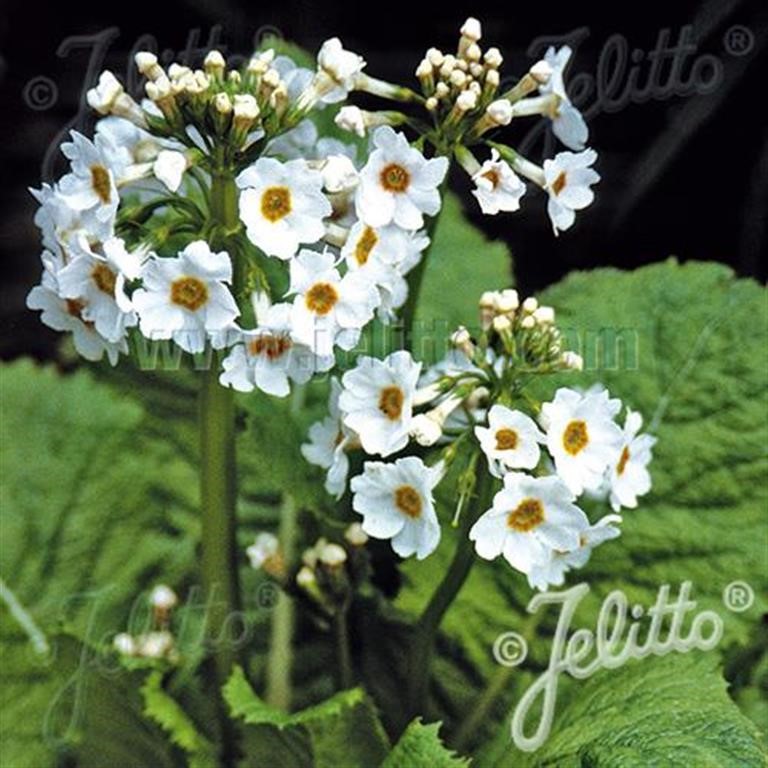
This elegant white form of the Japanese candelabra primrose stands out with its whorled, multi‑layered flower tiers, producing crisp white blooms that seem to glow in cool shade. It is a superb plant for creating calm, reflective planting moods—perfect in naturalistic woodland plantings or formal moisture-retentive borders.
Ideal Growing Conditions
Light
- Partial shade is ideal, especially dappled or morning sun with afternoon shade.
- Avoid hot midday sun in dry situations.
Soil
- Moist, fertile, humus-rich soil that never dries out.
- Excellent in boggy, damp spots, beside water features, or in moisture-retentive woodland loam.
Moisture
- Keep consistently moist; thrives in areas that naturally stay damp.
- Mulch yearly to preserve soil moisture.
Temperature & Hardiness
- Hardy and reliable across the UK; enjoys cool conditions.
- Handles wet winters well, provided soil doesn’t stagnate anaerobically.
Planting & Spacing
- Best time: Spring or early autumn.
- Spacing: 30–45 cm (12–18″) to allow the rosettes to expand naturally.
- Plant crowns level with soil surface—avoid burying too deeply.
Care & Maintenance
Watering
- Regular watering in dry spells is crucial.
- Irrigate at soil level to reduce leaf wetness.
Feeding
- A light, balanced feed in spring supports strong flower stem production.
Deadheading & Tidying
- Remove spent tiers to encourage neatness, or leave them for seed if self‑seeding is welcome.
- Clear away old leaves after flowering to keep the rosette fresh.
Dividing
- Divide every 2–3 years in early spring or autumn to rejuvenate clumps and ensure flowering vigour.
Wildlife Value
The pure-white flowers provide nectar and pollen for bees, hoverflies, early butterflies, making it a subtle but important contributor to a wildlife-first spring garden.
Where It Shines in the Garden
- Pond margins & slow streams
- Damp woodland edges
- Shaded bog gardens
- Cool, moisture-retentive mixed borders
- Naturalised drifts under deciduous trees
Pair with ferns, hostas, astilbes, Trollius, and other moisture lovers for layered spring interest.


.png)