Primula Gigas (Himalayan Meadow Primrose): The Perfect Plant for Damp Gardens and Pond Edges
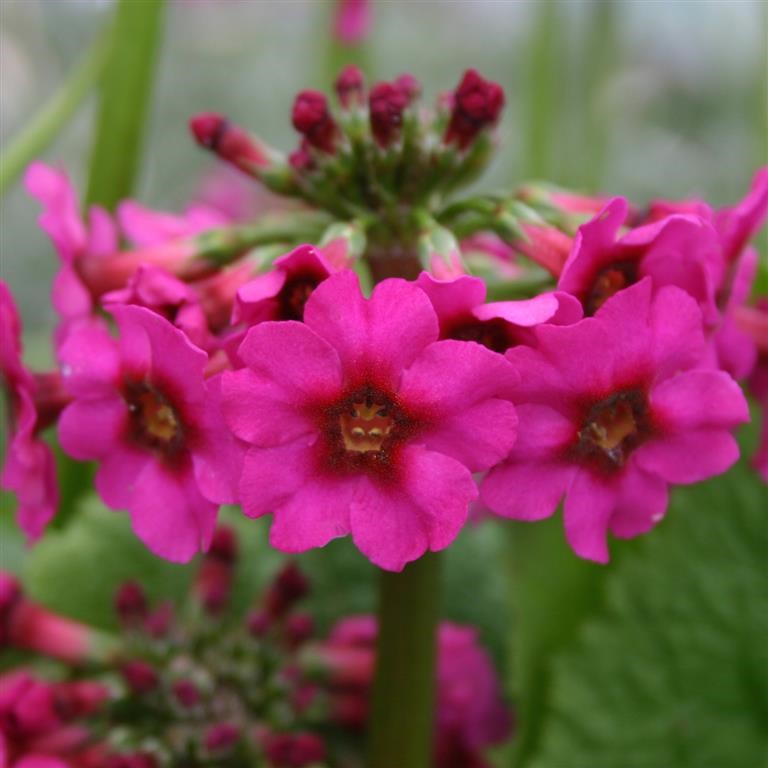
If you're searching for a stunning plant that thrives where many others struggle, Primula Gigas, commonly known as the Himalayan Meadow Primrose, deserves a place in your garden. This moisture-loving perennial produces vibrant magenta-pink flowers in spring and gradually forms impressive naturalised colonies in damp soil, making it ideal for pond edges, bog gardens, and woodland settings.
Unlike some of the larger candelabra primulas, Primula Gigas combines spectacular colour with a slightly more compact habit. Given the right conditions, it will reward gardeners with years of reliable performance and an ever-expanding display of flowers.
What is Primula Gigas?
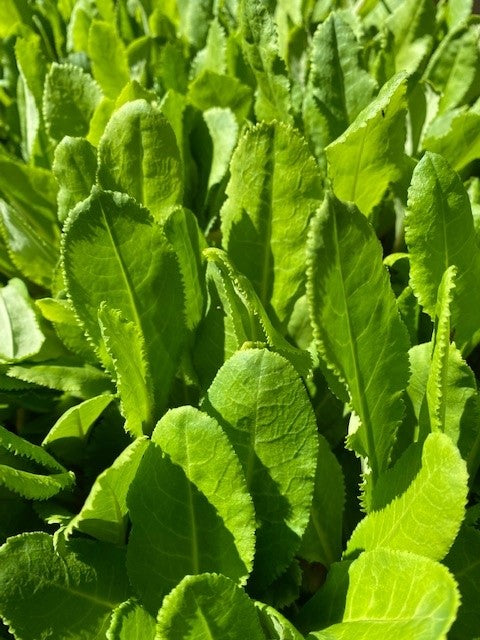
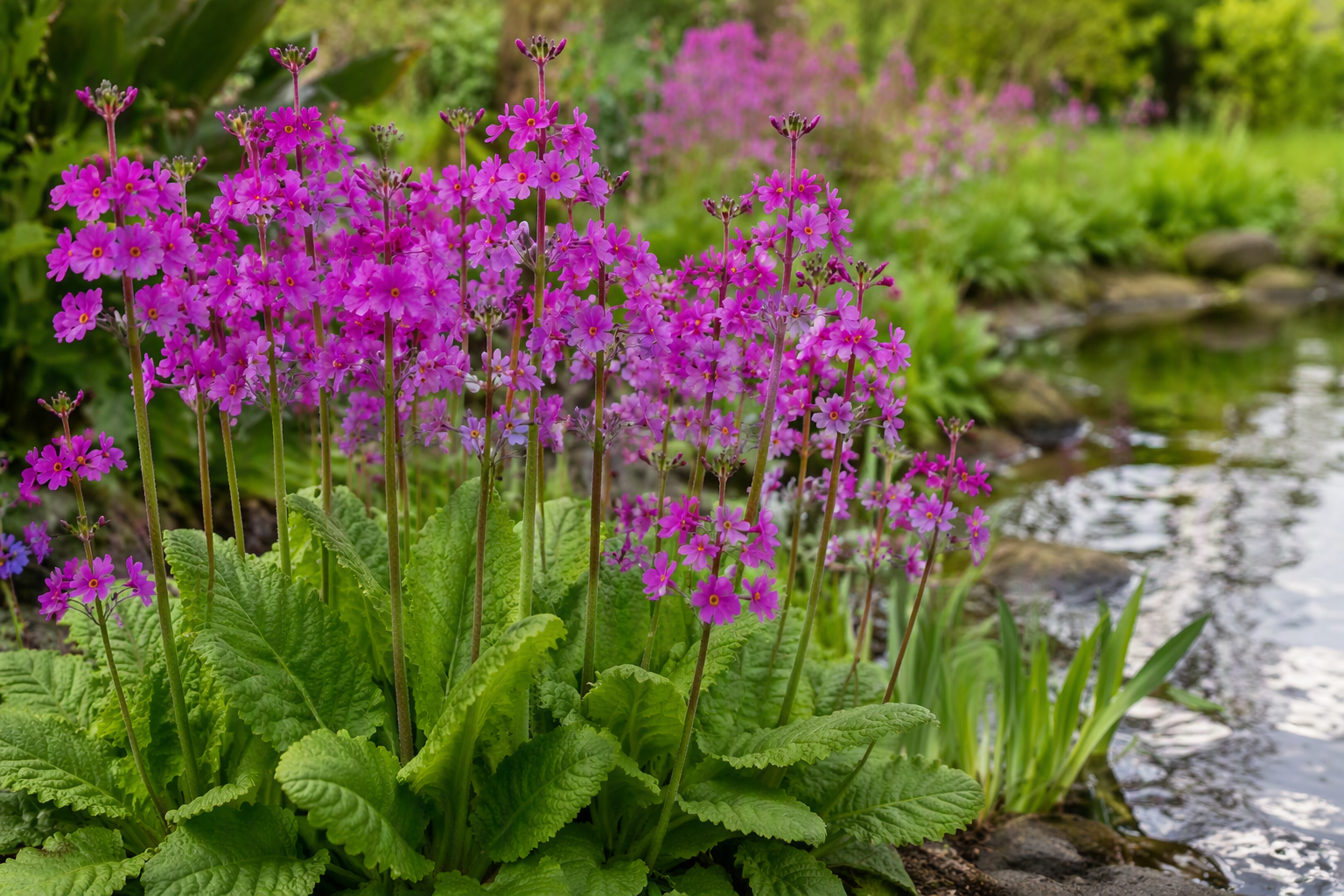
Primula Gigas is a species of candelabra primula originating from the Himalayan region. It is prized for its brilliant magenta-pink blooms, which rise above compact rosettes of rich green foliage during spring. While it may not be the tallest member of the candelabra primula family, it more than compensates with its vivid flower colour and ability to thrive in wet conditions.
For gardeners looking to create a naturalistic planting scheme around ponds, streams, or damp borders, few plants can match the impact of a well-established clump of Primula Gigas.
Why Grow Primula Gigas?
There are many reasons why this beautiful moisture-loving perennial has become a favourite among gardeners:
- Striking magenta-pink flowers in spring
- Excellent plant for pond edges and bog gardens
- Thrives in consistently moist soil
- Self-seeds readily in suitable conditions
- Gradually forms attractive colonies and drifts
- Suitable for woodland and naturalistic planting schemes
- Attractive to pollinators including bees and other beneficial insects
Best Growing Conditions for Primula Gigas
Moisture is Essential
The key to success with Primula Gigas is moisture. This is not a plant that enjoys drying out during summer. In fact, consistently damp soil is where it truly shines.
The best locations include:
- Pond margins
- Bog gardens
- Streamside planting
- Damp woodland gardens
- Moist borders with rich organic soil
In the right conditions, a handful of plants can develop into a sizeable display over just a few seasons through both self-seeding and gradual multiplication.
Sun or Shade?
Primula Gigas performs best in partial shade, particularly in warmer areas. However, it can also tolerate full sun provided the soil remains consistently moist throughout the growing season.
Flowering Time and Colour
The main flowering period occurs during spring, when clusters of vivid magenta-pink flowers create a bold display that can brighten even the dullest corner of the garden. The flowers emerge above attractive green foliage and are particularly effective when planted in groups.
Occasionally, some plants may produce a lighter second flush of flowers later in the season, although the spring display is typically the most spectacular.
How to Plant Primula Gigas
Container-grown Primula Gigas can be planted throughout much of the year, provided the ground is not frozen and adequate moisture is available.
For best results:
- Choose a site with consistently moist soil.
- Incorporate organic matter before planting.
- Water thoroughly after planting.
- Mulch annually to help retain moisture.
- Avoid locations that dry out during summer.
Once established, plants require very little maintenance beyond ensuring they never completely dry out.
Does Primula Gigas Spread?
Yes, and that's one of its greatest strengths.
Primula Gigas naturally self-seeds and will gradually spread through suitable areas of the garden. Gardeners can encourage this process by collecting ripe seed heads and scattering seed into neighbouring damp areas.
If left undisturbed, plants often establish attractive natural drifts that become more impressive with each passing year.
Companion Plants for Primula Gigas
Because it enjoys moist conditions, Primula Gigas pairs beautifully with other moisture-loving plants, including:
- Astilbe
- Ligularia
- Hosta
- Ferns
- Iris ensata
- Rodgersia
- Gunnera
- Caltha palustris (Marsh Marigold)
These combinations help create a lush, naturalistic planting scheme around ponds and damp borders.
Common Questions About Primula Gigas
Is Primula Gigas easy to grow?
Yes. As long as the soil remains consistently moist, Primula Gigas is a reliable and rewarding perennial.
Can Primula Gigas grow in full sun?
It can tolerate full sun if the soil remains damp, although partial shade is often preferable in warmer locations.
Does Primula Gigas come back every year?
Yes. Primula Gigas is a hardy perennial that returns each spring with fresh foliage and flowers.
Does Primula Gigas self-seed?
Yes. In suitable conditions, it self-seeds readily and gradually expands into larger colonies.
Is Primula Gigas suitable for pond edges?
Absolutely. Pond margins, bog gardens, and other moisture-retentive sites are among the best places to grow this plant.
Final Thoughts
For gardeners with damp ground, pond edges, or boggy borders, Primula Gigas is an outstanding choice. Its vibrant magenta-pink flowers, natural spreading habit, and ability to thrive in moisture-rich conditions make it one of the most rewarding spring-flowering perennials you can grow.
Whether you're creating a woodland garden, naturalising a pond edge, or simply looking for a reliable moisture-loving plant, the Himalayan Meadow Primrose delivers colour, character, and long-lasting garden performance year after year.