Primula veris (Cowslip) – A Native Spring Treasure for UK Gardens
Primula veris, commonly known as the Cowslip, is one of Britain’s most beloved native wildflowers. With its nodding clusters of rich yellow, honey-scented blooms held above soft, crinkled green foliage, this hardy perennial is a true sign that spring has arrived. Perfect for naturalistic planting, wildlife gardens, and lightly shaded borders, Cowslip brings both beauty and ecological value to UK gardens.
Why Grow Primula veris?
Cowslips have been part of the British landscape for centuries, thriving in meadows, woodland edges, and grassy banks. In the garden, they are easy to grow, long-lived, and wonderfully low maintenance once established.
Key benefits include:
- Early spring flowers when little else is in bloom
- A valuable nectar source for bees and early pollinators
- Fully hardy and well suited to UK conditions
- Ideal for naturalising in lawns, orchards, and wildflower areas
- Traditional cottage garden charm with genuine native heritage
Flowering and Appearance
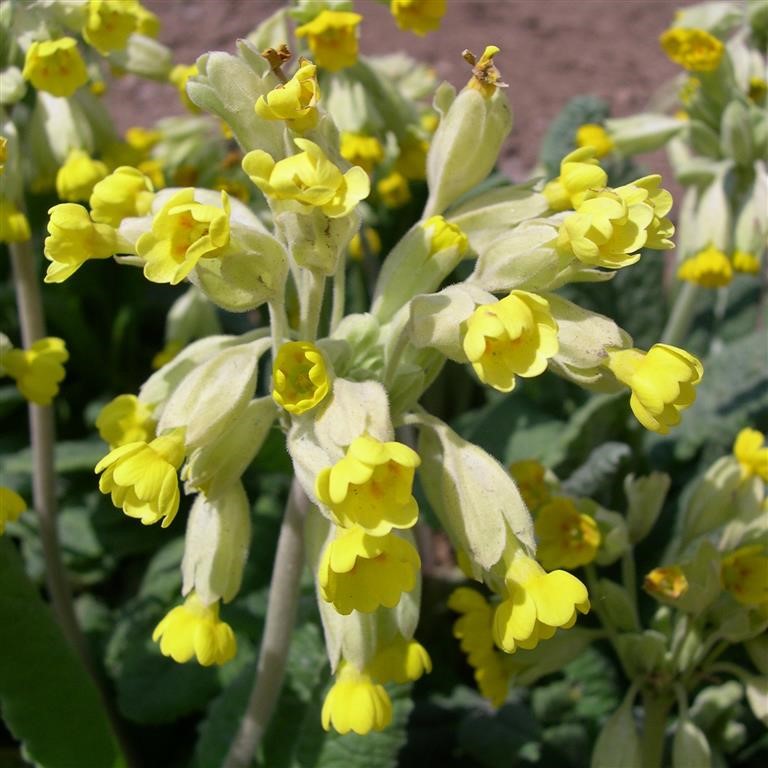
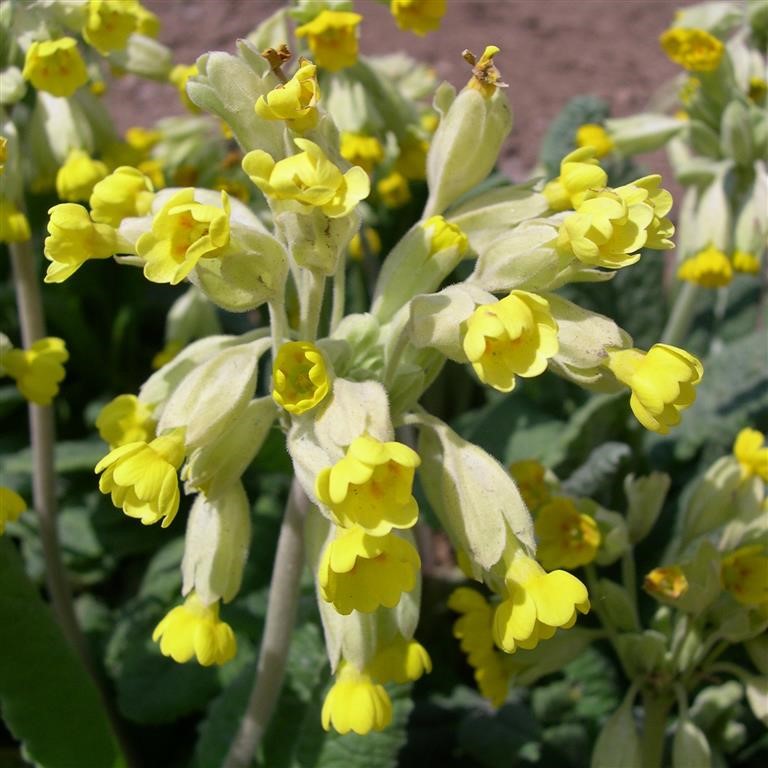
Primula veris produces elegant, nodding flower heads made up of multiple bell-shaped blooms, each a deep golden yellow often marked with orange at the throat. The flowers rise above a neat rosette of softly textured, mid-green leaves.
- Flowering period: March to May
- Flower colour: Golden yellow with orange markings
- Height: Around 20–30cm in flower
- Spread: Approximately 20–25cm
The flowers also carry a gentle, sweet fragrance, particularly noticeable on warm spring days.
Best Growing Conditions
Cowslips are remarkably adaptable but perform best when grown in conditions that mimic their natural habitat.
- Light: Full sun to partial shade
- Soil: Moist but well-drained soil; tolerates clay if not waterlogged
- Soil type: Neutral to slightly alkaline
- Position: Borders, woodland edges, meadow-style planting, under deciduous trees
Once established, Primula veris copes well with typical UK rainfall and does not require regular feeding.
Planting and Care
Plant Cowslips in autumn or spring for best establishment. Water well during their first growing season, especially in dry spells.
Ongoing care is minimal:
- Deadhead spent flowers if you want a tidier appearance
- Leave seedheads if you wish plants to self-seed naturally
- Divide clumps every few years after flowering if required
- Avoid overly rich soils, which encourage leaf growth at the expense of flowers
Cowslips are fully hardy and require no winter protection.
Wildlife and Garden Value
As a native species, Primula veris plays an important role in supporting biodiversity. The early flowers provide vital nectar for bees emerging from winter, while its natural form fits perfectly into wildlife-friendly and low-intervention garden schemes.
They pair beautifully with other spring plants such as:
- Primula vulgaris (Primrose)
- Pulmonaria
- Anemone nemorosa
- Early flowering bulbs like narcissus and crocus
A Traditional Plant with Modern Appeal
Whether you are restoring a wildflower meadow, enhancing a cottage garden, or simply want a reliable and beautiful spring perennial, Primula veris is a superb choice. Its resilience, charm, and ecological value make it just as relevant today as it has been for generations.
FAQs
Is Primula veris native to the UK?
Yes, Cowslip is a native British wildflower traditionally found in meadows and open woodland.
Can Cowslips grow in shade?
They prefer full sun to light shade and perform well under deciduous trees where spring light is available.
Will Primula veris spread?
Yes, in the right conditions it will gently self-seed and naturalise without becoming invasive.
Is Primula veris good for pollinators?
Absolutely. It is an excellent early nectar source for bees and other pollinating insects.
Shop Primula Plants at Dartana
At Dartana Plants, we grow and supply high-quality perennial plants suitable for UK gardens. If you’re looking to add native charm and early-season colour to your garden, Primula veris is a timeless and rewarding choice.


.png)