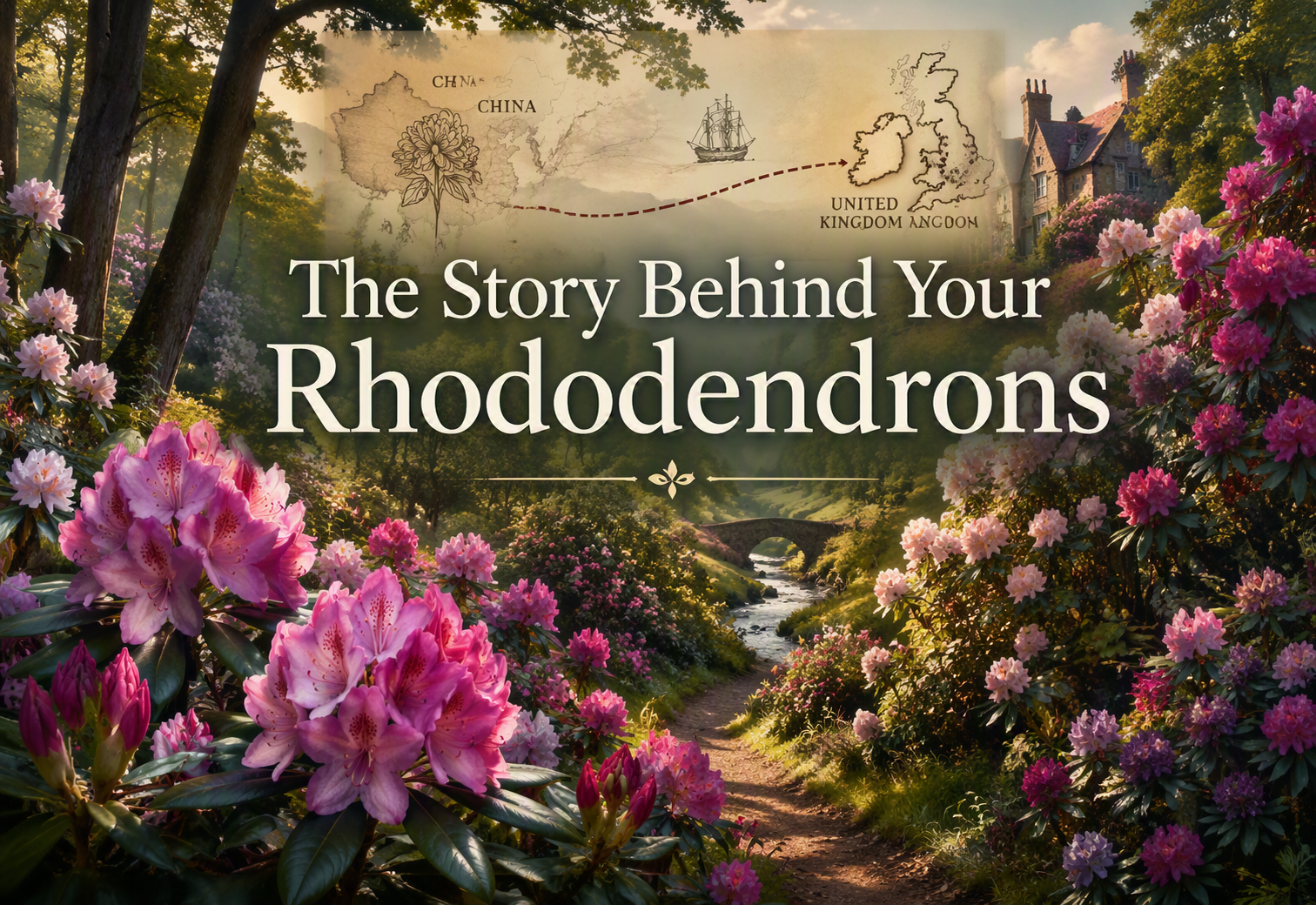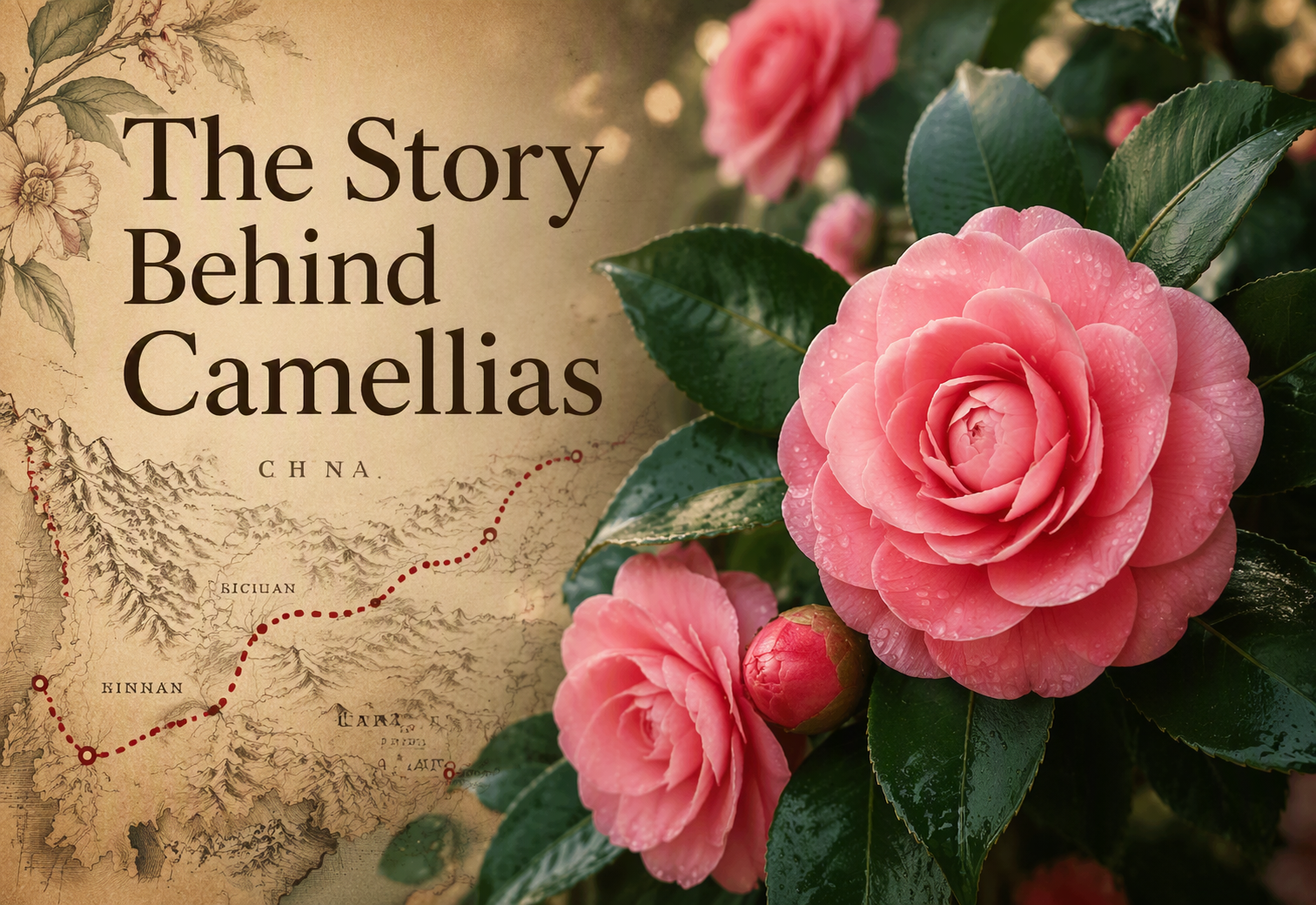

🌿 Robert Fortune: The Plant Hunter Who Changed Gardens… and Your Cuppa
Some plant hunters introduced beautiful garden plants. Robert Fortune did that—but he also helped change the global tea industry. His journeys into China brought back camellias, ornamentals, and tea plants that transformed both British gardens and everyday life.

🌱 Who Was Robert Fortune?
Robert Fortune was a Scottish botanist and plant collector working in the mid-1800s.
Sent by the Royal Horticultural Society, his mission was to:
- Find new ornamental plants
- Explore regions previously closed to Western travellers
- Bring back species that could thrive in Britain.
But his work quickly went beyond gardening.
🌍 Collecting Plants in China
Fortune’s first journeys focused on ornamental plants.
He introduced a wide range of species that are still popular today, including:
- Camellias
- Chrysanthemums
- Decorative shrubs and flowering plants.
These helped shape the look of Victorian gardens and influenced modern planting styles.
At a time when many plants were unknown in Britain, his work opened the door to new possibilities.
🍵 The Bigger Story: Tea Plants and Global Impact
Fortune’s most famous mission came later—when he was tasked with collecting tea plants and knowledge from China.
At the time:
- China controlled tea production
- Britain relied heavily on imports
- Growing tea elsewhere was a major goal.
Fortune successfully:
- Collected tea plants
- Studied cultivation techniques
- Helped establish tea growing in India.
This shift had a lasting global impact and changed how tea was produced and traded.
🌺 Camellias: A Lasting Garden Legacy
Tea plants belong to the Camellia family, and Fortune’s work helped popularise camellias as ornamental plants in British gardens.
Today, camellias are prized for:
- Evergreen foliage
- Early-season flowers
- Elegant structure
They’re a direct link between historic plant hunting and modern gardening.
🧭 A Different Kind of Expedition
Plant hunting in Fortune’s time wasn’t straightforward.
His journeys involved:
- Travelling in unfamiliar regions
- Navigating political restrictions
- Long, difficult sea journeys
- Risk of illness and hardship
Beyond physical challenges, there was also the complexity of transporting plants safely—something only made possible by innovations like the Wardian case.
🚢 Getting Plants Home
Without reliable transport, even the best discoveries would have been lost.
Fortune’s collections relied on:
- Careful packing methods
- Wardian cases for survival at sea
- Long-distance logistics
- Coordination with nurseries in Britain
This turned individual plant discoveries into lasting contributions.
🌱 Why Robert Fortune Still Matters Today
Many of the plants introduced during Fortune’s expeditions are still widely grown.
His legacy includes:
- Popular ornamental plants in UK gardens
- The global expansion of tea cultivation
- Contributions to botanical knowledge
- A lasting influence on horticulture
In many ways, his work connects everyday gardening with global history.
🌿 Bringing That Story Into Your Garden
Plants like camellias are more than just decorative—they’re part of a much bigger story.
👉 Explore our range of flowering shrubs and heritage favourites and grow plants with real history behind them.
🌿 Bring a Piece of Plant-Hunting History Into Your Garden
Who was Robert Fortune?
Robert Fortune was a 19th-century Scottish plant hunter who collected ornamental plants and tea plants from China.
What did Robert Fortune discover?
He introduced many ornamental garden plants and helped transfer tea cultivation knowledge to India.
Why is Robert Fortune important?
His work influenced both British gardens and the global tea industry.
Are camellias linked to tea plants?
Yes—tea plants belong to the Camellia family, linking ornamental camellias to tea production.
How were his plants transported safely?
Plants were transported using Wardian cases, which protected them during long sea journeys.