Rosmarinus officinalis ‘Prostratus’ (Rosemary): The Perfect Trailing Rosemary for Ground Cover and Containers
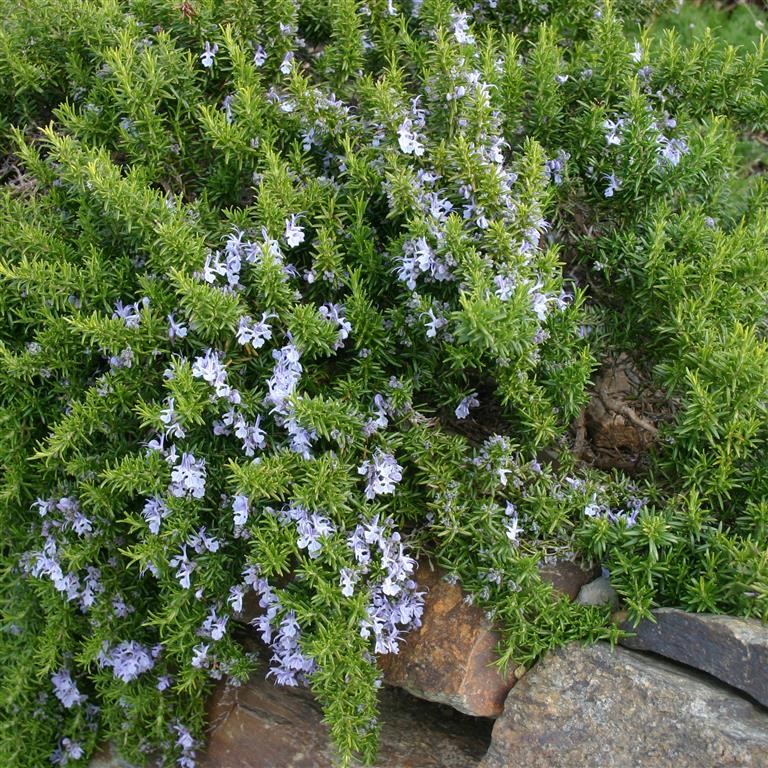
Rosmarinus officinalis ‘Prostratus’, often called Trailing or Creeping Rosemary, is a low‑growing, spreading rosemary variety prized for its cascading habit, evergreen aromatic foliage, and soft blue flowers. Unlike upright rosemary types, ‘Prostratus’ hugs the ground or spills gracefully over walls, raised beds, and containers, making it one of the most versatile rosemary forms for UK gardens.
Why Choose Rosemary ‘Prostratus’?
This variety is grown as much for its ornamental value as for its culinary use. Its trailing stems knit together to form a dense mat, suppressing weeds while releasing fragrance when brushed or warmed by the sun.
Key benefits include:
- Low, spreading growth habit
- Ideal ground cover for sunny, dry areas
- Excellent trailing plant for walls, pots, and raised beds
- Highly aromatic, evergreen foliage
- Pollinator‑friendly blue flowers
Growth Habit & Size
‘Prostratus’ typically grows low and wide, staying compact in height while spreading outward. Over time, plants form a soft, flowing carpet or cascade, making them perfect for:
- Rock gardens
- Gravel gardens
- Slopes and banks
- Mediterranean‑style planting
- Container edges and hanging displays
Ideal Growing Conditions
Position
- Full sun is essential for best growth and flowering
- Sheltered, warm positions perform best
Soil
- Free‑draining soil or compost is critical
- Performs well in sandy, gritty, or poor soils
- Avoid heavy clay or waterlogged ground
Watering
- Water regularly while establishing
- Once established, highly drought tolerant
- Allow soil to dry between waterings
Hardiness & UK Performance
Rosemary ‘Prostratus’ performs well in much of the UK when planted in well‑drained soil and sunny positions. In colder or wetter regions, growing in containers allows plants to be moved to shelter over winter, protecting them from prolonged cold and wet conditions.
Flowers, Scent & Wildlife Value
From spring through early summer, ‘Prostratus’ produces clusters of pale to mid‑blue flowers along its trailing stems. These flowers are highly attractive to bees and other pollinators. The foliage releases a strong rosemary scent when touched, adding sensory value to paths, seating areas, and garden edges.
Culinary Uses
- Leaves can be used fresh or dried
- Ideal for roasting meats, vegetables, and potatoes
- Excellent for infused oils and vinegars
- Regular harvesting helps keep plants tidy
Pruning & Maintenance
- Light pruning after flowering encourages dense growth
- Avoid cutting into old woody stems
- Minimal feeding required
- Low maintenance once established
FAQs
Is Rosemary ‘Prostratus’ good ground cover?
Yes — it forms a dense, aromatic mat in sunny, well‑drained areas.
Can it be grown in pots?
Absolutely. It is one of the best rosemary varieties for containers and trailing displays.
Does it smell strongly?
Yes — the foliage is highly aromatic, especially in warm weather.