
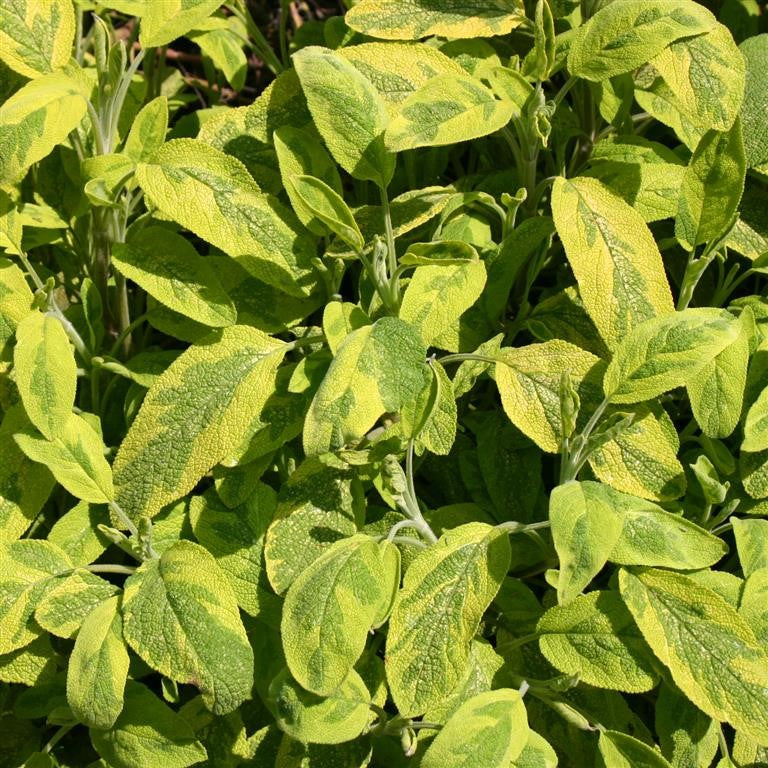
Sage: The Herb Every Garden Needs
Sage is a hardy, aromatic perennial that elevates your cooking, supports wellness, attracts pollinators, and adds structure to your garden. Here’s why every gardener should grow it — and exactly how to keep it thriving.
Why Sage Deserves a Place in Every Garden
Sage (Salvia officinalis) is more than a culinary herb — it’s a beautiful, drought‑tolerant plant with silvery foliage, striking flowers, and impressive health‑boosting compounds.
What Is the Herb Sage Used For?
Cooking
Sage adds a rich, savoury, earthy taste to:
- Stuffing and roasts
- Chicken, pork, and sausages
- Soups and creamy sauces
- Infused oils and butters
Herbal Teas
Warm, soothing teas made from fresh or dried leaves help promote relaxation and calmness.
Traditional Herbal Medicine
Used historically for:
- Digestion support
- Sore throats
- Anti‑inflammatory benefits
- General soothing tonics
Aromatherapy
Sage essential oil is associated with clarity, grounding, and emotional balance.
What Is So Special About Sage?
- Rich in antioxidants – offers impressive health benefits
- Distinct flavour – irreplaceable in many savoury dishes
- Low maintenance – drought‑tolerant once established
- Pollinator magnet – bees absolutely love sage flowers
- Beautiful foliage – evergreen in many UK regions
Does Sage Grow Back Every Year?
Yes! Sage is a perennial herb and returns annually when grown in the right conditions.
Best Conditions for Longevity
- Plant in full sun
- Well‑drained soil (sandy or loamy)
- Avoid overwatering to prevent root rot
With light annual pruning, sage can live for several years and form a substantial, attractive shrub.
Is Sage a Good Plant?
Absolutely — sage ticks every box:
- Easy to grow
- Low maintenance
- Visually appealing with soft grey‑green foliage
- Useful in the kitchen
- Great for wildlife, supporting bees, hoverflies, and other pollinators
Whether in borders, raised beds, rockeries, or pots, sage is one of the most rewarding herbs you can grow.
What Should You Not Plant Next to Sage?
Some plants simply don’t make good neighbours for sage.
Avoid Planting Near:
- Cucumbers – dislike aromatic herbs and may struggle
- Basil – prefers richer, moister soil than sage
- Rue – can stunt sage growth
Better Companions
Pair sage with fellow Mediterranean herbs and compatible crops:
- Rosemary
- Thyme
- Oregano
- Carrots
These enjoy similar dry, sunny, and lean soil conditions.
Top Tips for Growing Sage
- Plant in full sun
- Choose well‑drained soil
- Water sparingly – sage prefers to stay on the dry side
- Prune lightly after flowering to encourage bushiness
- Replace older woody plants every few years if growth slows
FAQ
1. Is sage easy to grow?
Yes — one of the easiest herbs, thriving in sunny, well‑drained locations.
2. How often should I water sage?
Water sparingly; allow soil to dry between waterings.
3. Can I grow sage in pots?
Yes — ensure containers have excellent drainage.
4. Does sage need fertiliser?
A light spring feed is plenty. Too much fertiliser reduces flavour.
5. How do I harvest sage?
Pick fresh leaves as needed and prune lightly to maintain shape.


