
🌿 What’s So Great About Salvia ‘Caradonna’? The Ultimate UK Guide
Salvia nemorosa 'Caradonna' has become one of the most popular hardy perennials in UK gardens, and it's easy to see why. With its striking deep purple flower spikes, near-black stems, exceptional pollinator appeal, and long flowering season, this award-winning salvia offers colour, structure, and reliability from late spring well into summer.
Whether you're creating a cottage garden, wildlife border, or contemporary planting scheme, Salvia 'Caradonna' provides months of interest with very little maintenance.
What Makes Salvia 'Caradonna' Special?
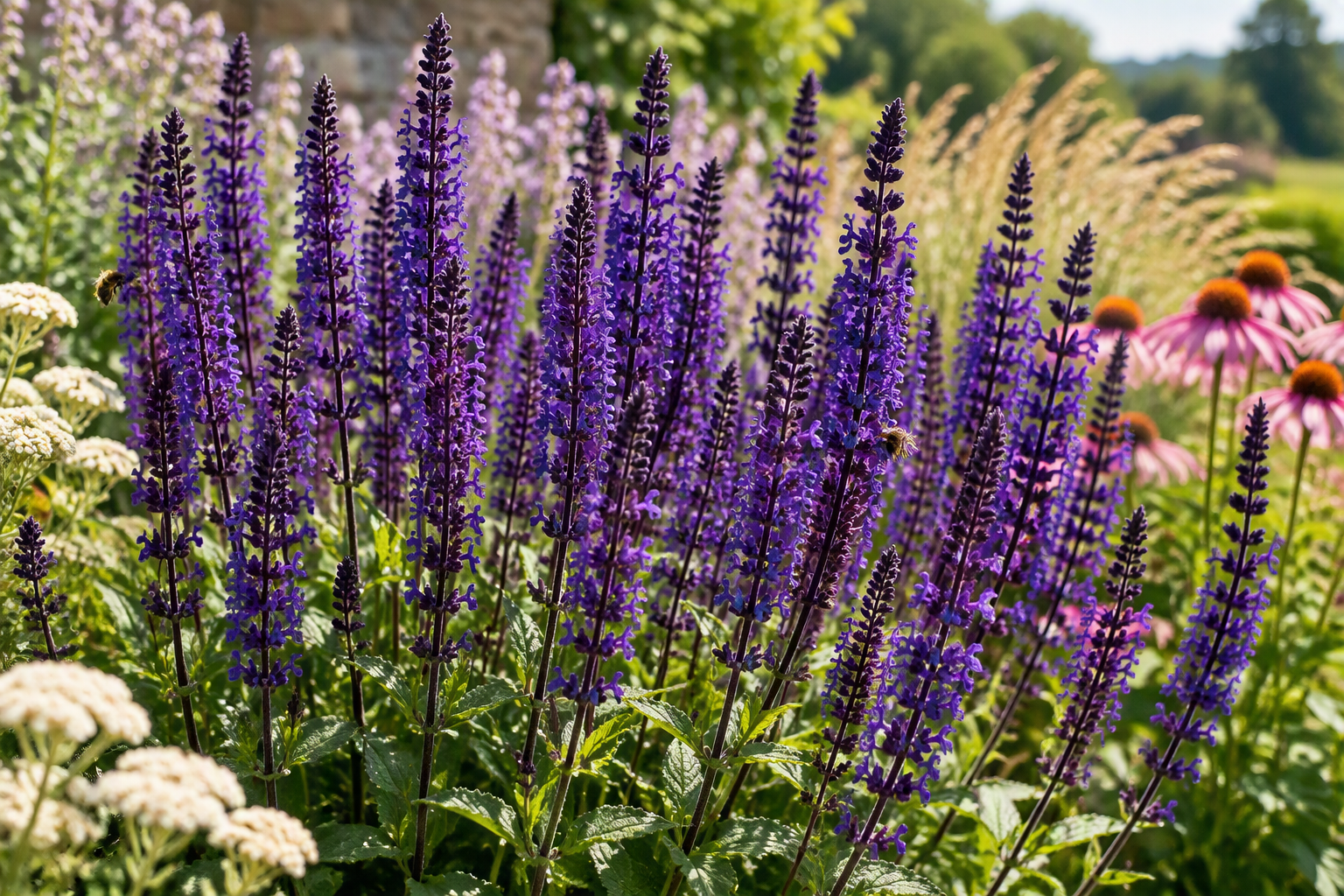
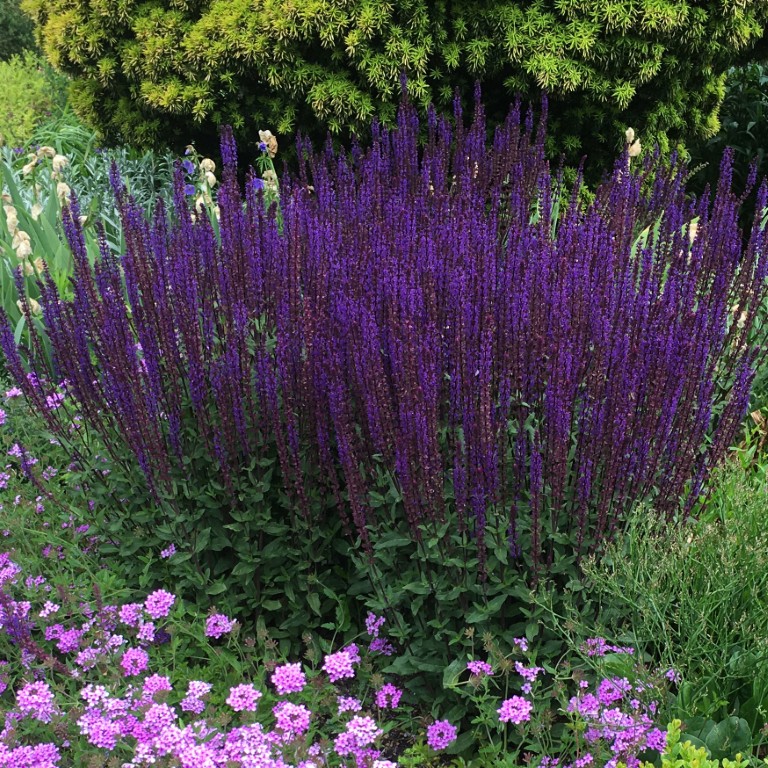
Unlike many flowering perennials, Salvia 'Caradonna' combines vivid flowers with dramatic dark stems, creating a stunning contrast that stands out even when viewed from a distance.
The upright flower spikes produce masses of rich violet-purple blooms that attract bees, butterflies, and other beneficial insects throughout the growing season.
Its compact, architectural growth habit also means it works beautifully at the front or middle of borders without becoming unruly.
Long Flowering Season
One of the biggest advantages of Salvia 'Caradonna' is its exceptionally long display period.
Flowering usually begins in late spring and continues well into summer. By deadheading spent blooms, many gardeners enjoy a second flush of flowers later in the season, extending colour when other perennials may be fading.
This makes it a valuable plant for keeping borders looking fresh and vibrant for months.
Perfect for Pollinator-Friendly Gardens
If you're looking to support local wildlife, Salvia 'Caradonna' is an excellent choice.
The nectar-rich flowers are highly attractive to:
- 🐝 Bees
- 🦋 Butterflies
- 🪲 Beneficial insects
- 🐝 Bumblebees
Adding salvias to your planting scheme can help create a thriving wildlife-friendly garden while also providing beautiful seasonal colour.
Easy to Grow and Low Maintenance
Salvia 'Caradonna' is surprisingly easy to grow and performs well across much of the UK.
For best results:
- Plant in full sun
- Choose well-drained soil
- Water during establishment
- Remove faded flower spikes
- Cut back old growth in late winter or early spring
Once established, it tolerates dry conditions remarkably well and requires very little attention.
Great Garden Combinations
The rich purple flowers pair beautifully with a wide range of garden plants.
Popular companions include:
- Nepeta (Catmint)
- Echinacea
- Verbena bonariensis
- Roses
- Lavender
- Gaura
- Ornamental grasses
These combinations create a naturalistic planting style that looks attractive throughout the growing season.
Is Salvia 'Caradonna' Hardy?
Yes. Salvia 'Caradonna' is fully hardy throughout most parts of the UK and returns reliably each year.
The plant survives winter well, producing fresh new growth in spring before quickly developing its distinctive flower spikes.
Why Choose Salvia 'Caradonna'?
Few perennials offer such an impressive combination of beauty, reliability, wildlife value, and ease of care.
Its dramatic dark stems, vibrant purple flowers, long flowering season, and pollinator-friendly nature make it one of the most rewarding plants for UK gardens. Whether planted in cottage gardens, contemporary borders, or wildlife-friendly spaces, Salvia 'Caradonna' delivers outstanding performance year after year.
FAQs
Does Salvia 'Caradonna' come back every year?
Yes. It is a hardy perennial that returns annually in most UK gardens.
Does Salvia 'Caradonna' attract bees?
Absolutely. The nectar-rich flowers are highly attractive to bees, butterflies, and other pollinators.
How tall does Salvia 'Caradonna' grow?
Typically around 50-70cm tall with an upright, compact habit.
Should I deadhead Salvia 'Caradonna'?
Yes. Removing spent flower spikes often encourages a second flush of blooms later in summer.
Where should I plant Salvia 'Caradonna'?
For best results, plant in full sun with well-drained soil.