
🌸 Introduction
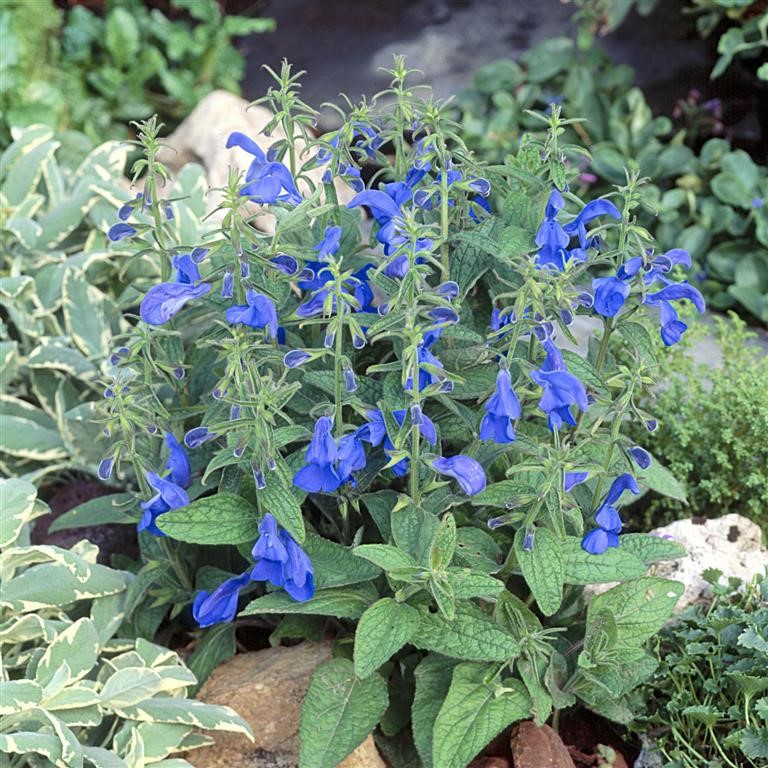
Salvia patens ‘Patio Deep Blue’ is one of Dartana Plants’ favourites — and it’s easy to see why. With its rich cobalt-blue blooms, lush green foliage and long flowering season, this compact Salvia brings serious colour impact to patios, borders and container displays. But because it originates from Mexico, its success in UK gardens depends heavily on choosing the right planting spot, ensuring warmth, drainage and winter protection.
This guide explains exactly where to plant Salvia patens ‘Patio Deep Blue’ for the best results, whether you’re growing it in the ground, in pots, or planning to overwinter its tubers.
🌞 1. Choose a Warm, Sunny Location
Salvia patens thrives in full sun — and because the UK is cooler than its native habitat, choosing the warmest microclimate makes a huge difference.
Ideal Position
✔ South-facing
✔ Sheltered from cold winds
✔ Against a wall, fence, or south-facing house wall (absorbs daytime heat)Why this matters
- Encourages more blooms
- Strengthens growth
- Reduces fungal issues
- Helps the plant dry quickly after rain
Avoid north-facing beds, shaded corners, or frost pockets.
🌱 2. Soil Requirements: Drainage Is Critical
Being a Mexican species, Salvia patens will not tolerate waterlogged soil. In the UK—especially with rainy summers and wet winters—drainage is the number‑one priority.
Ideal Soil
- Free‑draining sandy or loamy soil
- Neutral to slightly acidic
- Lightly enriched with compost
- Mixed with grit for extra drainage
If you have clay soil
Salvia patens hates it.
Improve it by adding:
- Horticultural grit
- Coarse sand
- Leaf mould
- Bark fines
Or better yet:
Use a raised bed or mound
This lifts roots above standing water and improves airflow.
🪴 3. Why Containers Are Often the Best Choice
The “Patio” in its name is a clue — this variety is perfect for containers, especially in gardens with heavy soil or colder winters.
Benefits of container growing
✔ Control drainage
✔ Keep roots warm
✔ Move to shelter in bad weather
✔ Overwinter without digging up tubersBest container mix
- 50% compost
- 30% horticultural grit
- 20% perlite or coarse sand
Ensure pots have plenty of drainage holes.
❄️ 4. Winter Care: Essential for UK Planting
Salvia patens is not fully hardy in most of the UK. It produces tuberous roots, similar to dahlias — which means:
If grown in the ground
- Lift tubers after the first frost
- Allow to dry
- Store in a frost‑free shed or greenhouse
- Replant in spring (April–May)
If grown in containers
- Move pots indoors or to a greenhouse
- Keep compost barely moist
- Protect from frost and winter wet
If leaving in the ground in very mild areas
- Mulch heavily with bark or straw
- Improve drainage before winter
- Accept the risk — winter wet is usually fatal
💧 5. Watering & Feeding
Salvia patens needs regular watering during summer, but never constant wetness.
Watering
- Water when the top 2–3cm of soil is dry
- Avoid waterlogging at all costs
- Reduce watering from autumn onwards
Feeding
- A light, balanced feed every 2–3 weeks in summer
- Avoid high‑nitrogen feeds (causes floppy growth)
🌿 6. Protection From Wind
Because the stems are fleshy and the flowers large, strong winds can damage them.
Best shelter options
- Plant near a wall or fence
- Avoid hilltops or exposed coastal winds
- Group pots together to create a sheltered microclimate
🌼 7. Best Plants to Pair With Salvia patens ‘Patio Deep Blue’
Great companions share similar needs:
- Lavandula (Lavender)
- Nepeta (Catmint)
- Pelargoniums
- Gaura
- Verbena bonariensis
- Echinacea
- Silver-foliage plants (Santolina, Helichrysum)
The intense blue flowers contrast beautifully with yellows, whites and warm-toned perennials.
❓ FAQs
Is Salvia patens ‘Patio Deep Blue’ hardy in the UK?
Not fully. Treat as a tender perennial; lift tubers or overwinter in containers.
Can it be grown indoors over winter?
Yes — a frost-free greenhouse, conservatory, or bright porch is ideal.
Does it need deadheading?
Regular deadheading encourages continuous blooms through summer.
Will it flower in partial shade?
It will survive, but flowering will be significantly reduced.


