The Benefits of Hellebores – Winter Colour, Evergreen Foliage & Wildlife Value
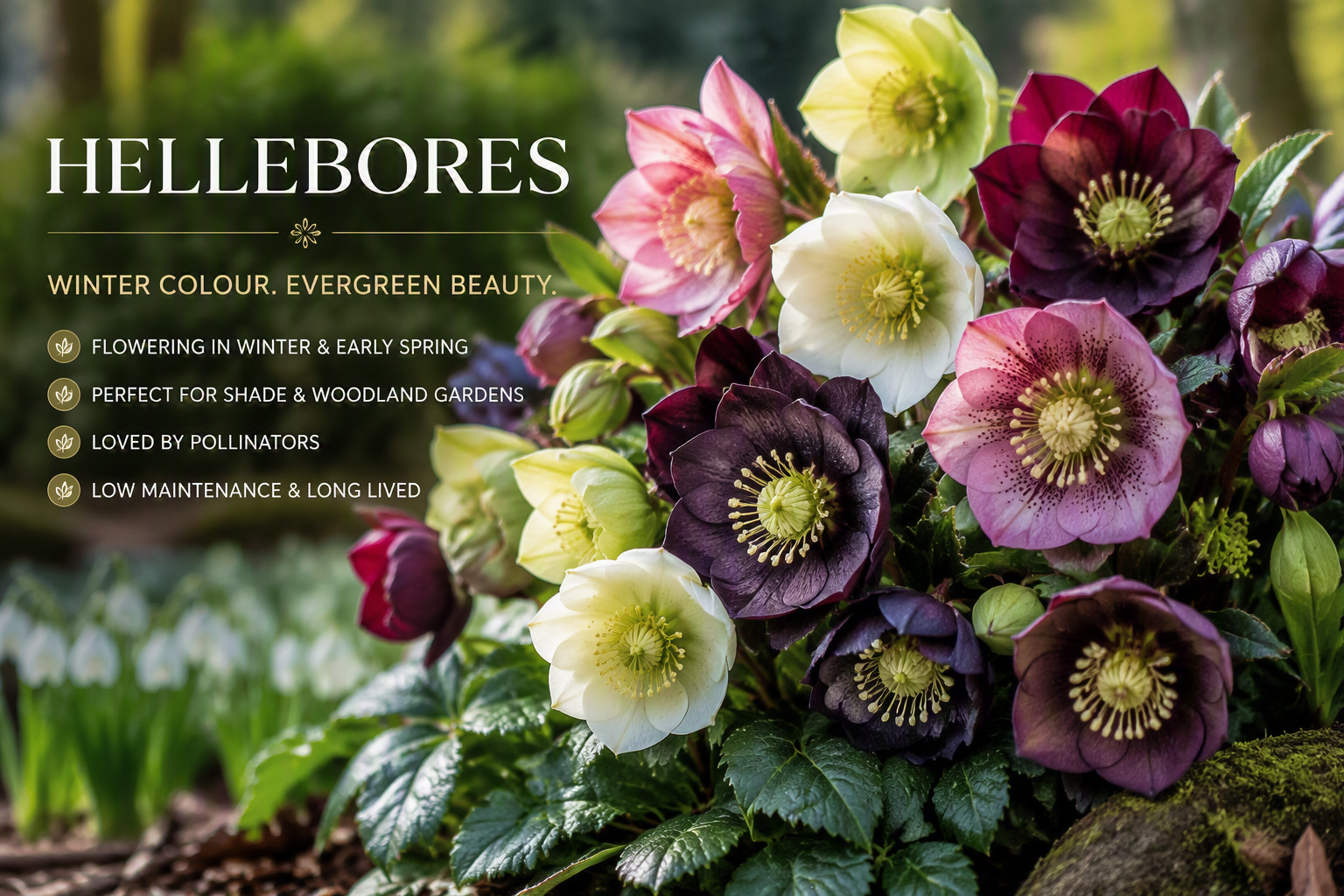
When most gardens are sleeping through winter, hellebores burst into bloom with elegant flowers that brighten even the darkest corners. Often known as Lenten Roses, hellebores are treasured for their ability to flower from late winter into early spring, providing valuable colour when little else is in bloom.
These versatile perennials are easy to grow, tolerate shade, and offer year-round interest through their attractive evergreen foliage. Whether you're creating a woodland garden, designing a wildlife-friendly border, or simply looking for reliable low-maintenance plants, hellebores are an excellent addition to almost any garden.
Why Gardeners Love Hellebores
1. They Flower During Winter
One of the biggest benefits of hellebores is their ability to bloom when most other plants remain dormant.
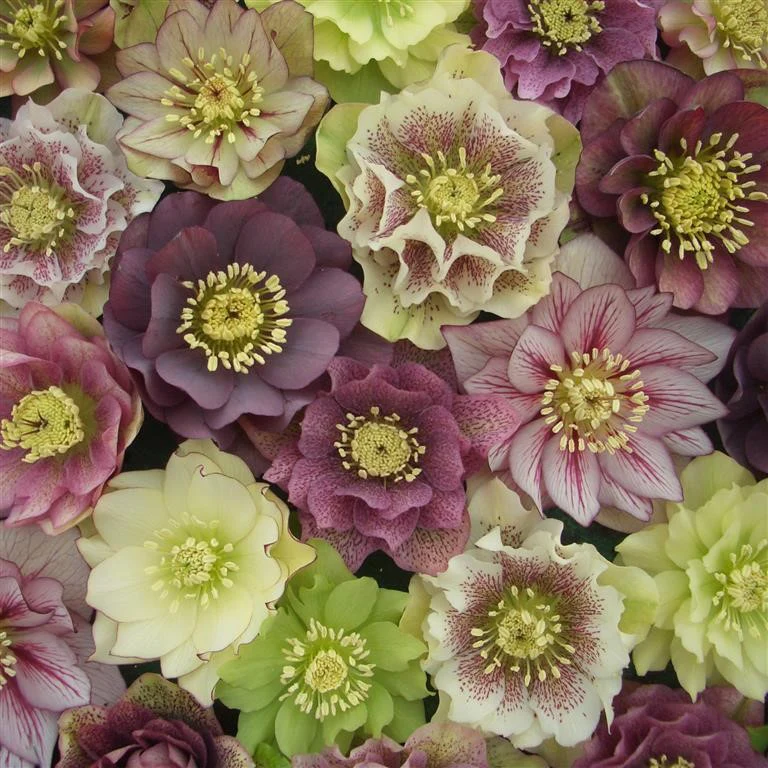
Many varieties begin flowering in January and continue well into spring, providing weeks or even months of colour. Their elegant nodding blooms appear in shades of:
- White
- Cream
- Pink
- Purple
- Plum
- Green
- Near-black
This makes hellebores some of the best winter flowering perennials available to UK gardeners.
2. Perfect for Shade Gardens
Finding beautiful plants for shady areas can be a challenge, but hellebores thrive where many other plants struggle.
They perform particularly well in:
- Woodland gardens
- Shaded borders
- Beneath deciduous trees
- North or east-facing gardens
- Under shrubs
Their love of dappled shade makes them one of the most reliable shade-loving plants for UK conditions.
3. Attractive Evergreen Foliage
Even when not flowering, hellebores continue to add structure and texture to the garden thanks to their attractive evergreen leaves.
Their deep green foliage provides year-round interest and creates a useful backdrop for spring bulbs, ferns and woodland perennials.
This combination of flowers and foliage makes hellebores excellent value throughout the year.
4. Easy to Grow and Maintain
Hellebores are remarkably low-maintenance once established.
They require:
- Very little watering
- Minimal feeding
- Little pruning
- Few ongoing maintenance tasks
A simple tidy-up of old foliage in late winter before flowering begins is often all that is required to keep plants looking their best.
For busy gardeners, they are among the easiest perennial plants to grow.
5. Long-Lived Garden Performers
Unlike some short-lived perennials, hellebores can thrive for decades in the same position.
Many gardeners find that their plants gradually increase in size each year, forming beautiful clumps that become a permanent feature in the garden.
This longevity makes hellebores an excellent investment for any planting scheme.
6. Valuable for Pollinators
Hellebores are an important source of nectar and pollen during late winter and early spring when food sources are limited.
The flowers attract:
- Bumblebees
- Honeybees
- Early solitary bees
- Other beneficial insects
For gardeners creating wildlife-friendly spaces, hellebores provide valuable support for pollinating insects at a critical time of year.
7. Ideal for Woodland and Naturalistic Planting
Hellebores combine beautifully with other shade-tolerant plants and are perfect for creating naturalistic planting schemes.
They look stunning when grown alongside:
- Ferns
- Hostas
- Heucheras
- Snowdrops
- Cyclamen
- Primroses
Their natural appearance allows them to blend seamlessly into informal gardens and woodland borders.
Growing Hellebores Successfully
For best results:
- Plant in partial shade or dappled sunlight.
- Grow in fertile, well-drained soil.
- Improve the soil with compost or leaf mould before planting.
- Water during prolonged dry spells in their first year.
- Apply organic mulch annually to retain moisture and improve soil health.
- Remove old leaves before flowering to showcase blooms and improve airflow.
Once established, hellebores require very little attention and will reward gardeners with reliable annual displays.
Hellebore Plants for Your Garden
Key Benefits Summary
✅ Winter and early spring flowering
✅ Thrive in shade and woodland conditions
✅ Evergreen foliage provides year-round interest
✅ Low-maintenance and easy to grow
✅ Long-lived and reliable
✅ Excellent for pollinators
✅ Ideal for wildlife-friendly gardens
✅ Perfect for naturalistic planting styles
✅ Suitable for borders, containers and woodland gardens
Frequently Asked Questions
Are hellebores easy to grow?
Yes. Hellebores are among the easiest perennial plants to grow, thriving in partial shade with very little maintenance once established.
Do hellebores flower every year?
Yes. Hellebores are long-lived perennials that return and flower reliably each year.
Are hellebores evergreen?
Most hellebore varieties retain their foliage throughout the year, providing structure even when not in flower.
Can hellebores grow in pots?
Yes. Hellebores grow well in containers provided they are planted in quality, free-draining compost and watered during dry periods.
Are hellebores poisonous?
Yes. Like many ornamental garden plants, hellebores are toxic if ingested and should not be eaten.
When do hellebores flower?
Most varieties flower from January to March, although some can bloom from December through to April depending on weather conditions.
Conclusion
Hellebores are among the most rewarding plants for UK gardens. Their beautiful winter flowers, evergreen foliage, shade tolerance and wildlife value make them an outstanding choice for gardeners seeking colour and interest during the colder months. Easy to grow, remarkably long-lived and exceptionally reliable, hellebores deserve a place in every woodland garden, shaded border and wildlife-friendly planting scheme.
Whether you're creating a low-maintenance garden or searching for dependable winter flowering perennials, hellebores deliver year after year.


.png)