
Gardening Trends for 2026: Climate Smart Plants That Thrive in UK Gardens
The direction of UK gardening in 2026 is clear — gardens must work harder and need less input. Climate change is driving a shift towards practical planting, with gardeners prioritising resilience, lower maintenance, and water efficiency.
Climate-smart gardening is no longer a niche idea. It has become essential as UK gardens deal with hotter, drier summers alongside wetter winters and sudden weather shifts.
1. Climate-Resilient Planting Becomes Standard
The biggest trend is simple: plant what survives.
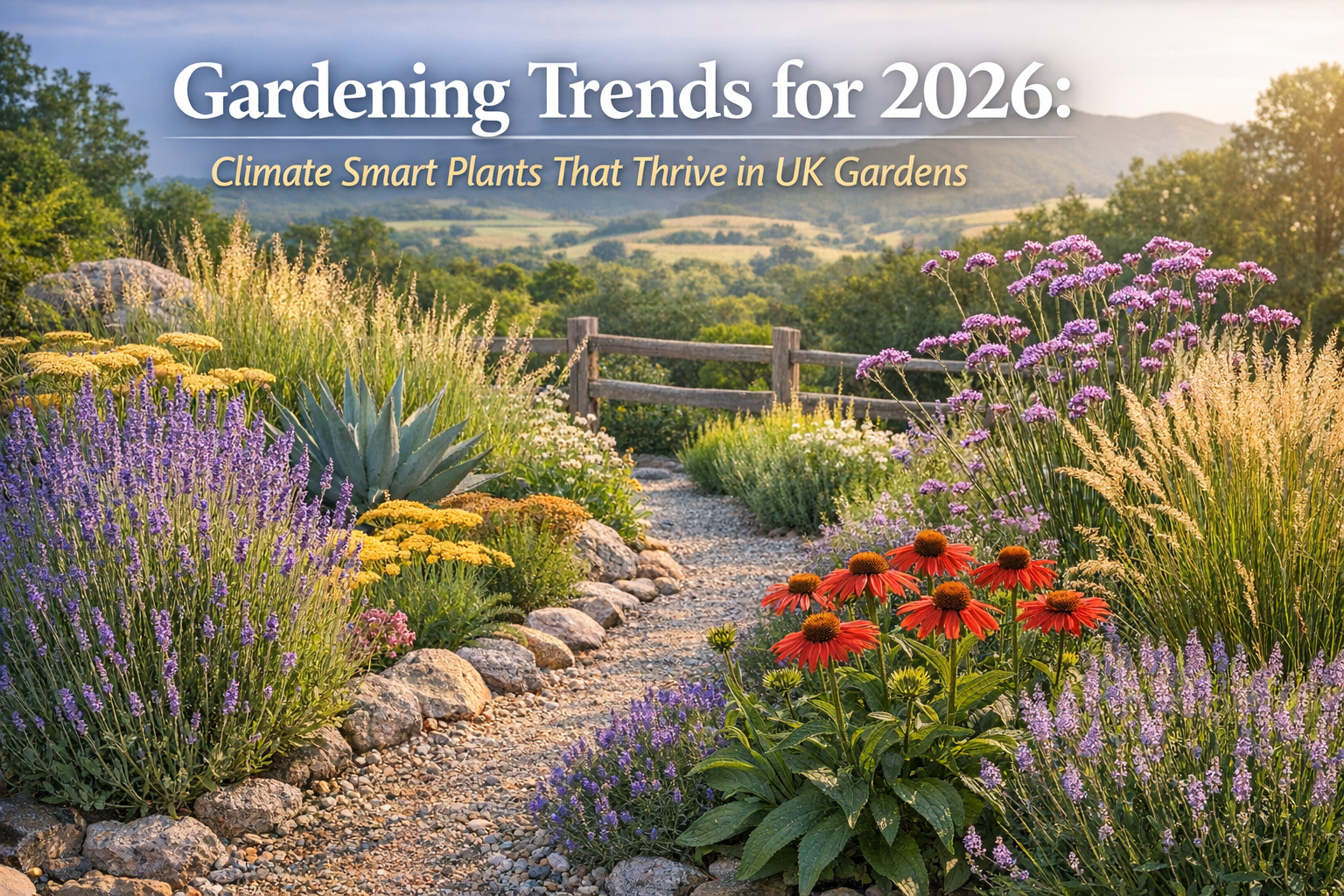
Climate-resilient gardens use plants that cope with drought, heavy rain, and temperature swings. These include Mediterranean species and deep-rooted perennials that can adapt to changing conditions.
Typical choices include:
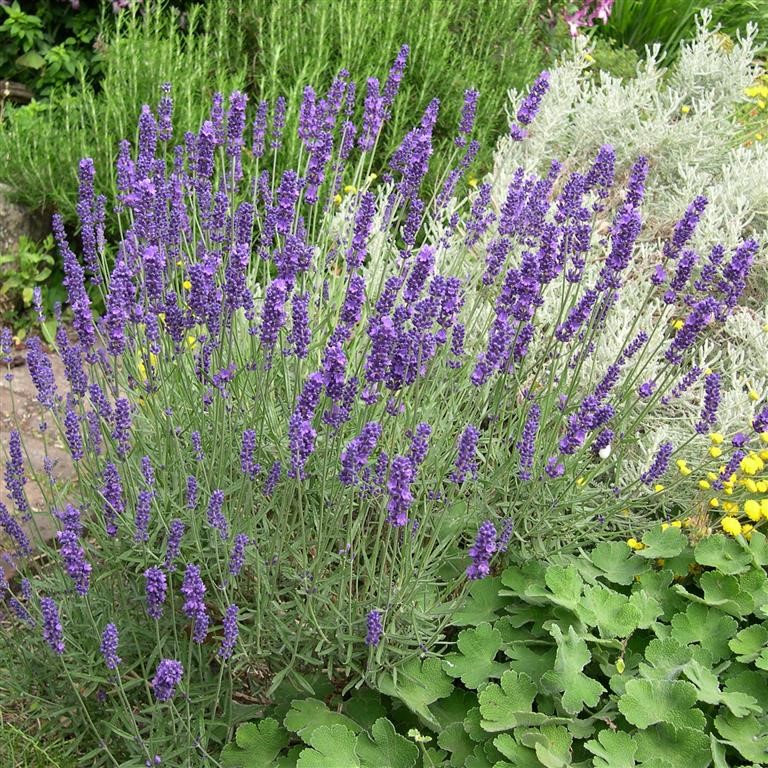
- Lavender
- Salvia
- Echinacea
- Sedum
- Verbena
- Ornamental grasses
These plants handle reduced watering while still providing colour and structure throughout the season.
Explore suitable options:
2. Drought-Tolerant Gardening Is Driving Plant Choice
With water restrictions becoming more common, drought-tolerant planting is one of the most important 2026 trends.
Gardens using these plants can reduce water use significantly while maintaining strong performance and visual appeal.
Plants that thrive include:
- Nepeta
- Sedum (Hylotelephium)
- Alliums
- Crocosmia
- Salvia varieties
These plants establish quickly and require minimal watering once settled.
Related plants:
3. Mediterranean & Prairie-Style Planting
Mediterranean-style planting continues to grow in popularity across UK gardens.
This style combines drought tolerance with structure, using gravel, open planting, and long-flowering perennials.
At the same time, prairie-style planting is becoming more common, with:
- Layered planting
- Ornamental grasses
- Naturalistic borders
These planting styles reduce maintenance by working with natural growth habits rather than forcing structure.
4. Perennials That Earn Their Place
The shift towards long-lasting, reliable plants continues.
Perennials are now chosen for:
- Longevity
- Seasonal performance
- Adaptability
Deep-rooted perennials like echinacea and rudbeckia can survive both drought and waterlogging, making them ideal for UK conditions.
Plants that “earn their place” are replacing short-term bedding schemes.
5. Wildlife & Low-Input Gardening
Modern UK gardens are increasingly being designed as small ecosystems.
This includes:
- Pollinator-friendly plants
- Reduced chemical use
- Leaving seed heads for wildlife
Wildlife-friendly planting overlaps with climate-smart gardening, as resilient plants naturally support biodiversity.
6. Smarter, Not Harder Gardening
The key mindset shift in 2026 is simple — use fewer inputs.
Gardeners are focusing on:
- Less watering
- Less feeding
- Less replanting
Instead, plant choice and soil health do the work.
This results in gardens that:
- Require less maintenance
- Perform better in extreme weather
- Stay consistent year to year
Recommended Climate Smart Plants (UK Ready)
Reliable options for 2026 gardens include:
- Lavender (Lavandula)
- Verbena Bonariensis
- Salvia Nemorosa
- Echinacea
- Sedum ‘Autumn Joy’
- Nepeta (Catmint)
- Ornamental grasses
Many of these feature characteristics like deep roots, reflective foliage, or drought tolerance, helping them cope with climate extremes. [hillier.co.uk]
Dartana Plants – Practical Choices That Work
At Dartana Plants, the focus aligns perfectly with these trends — strong, well-rooted plug plants that establish quickly and perform reliably.
Explore collections:
FAQs
What are climate-smart plants?
Plants that can handle drought, excess rain, and temperature changes with minimal care.
Why are drought-tolerant plants important in the UK?
Hotter summers and water restrictions make low-water plants essential.
Which plants are best for low maintenance gardens?
Lavender, salvia, sedum, nepeta, and ornamental grasses are all reliable options.


.png)
.png)